
Last updated October 16, 2026
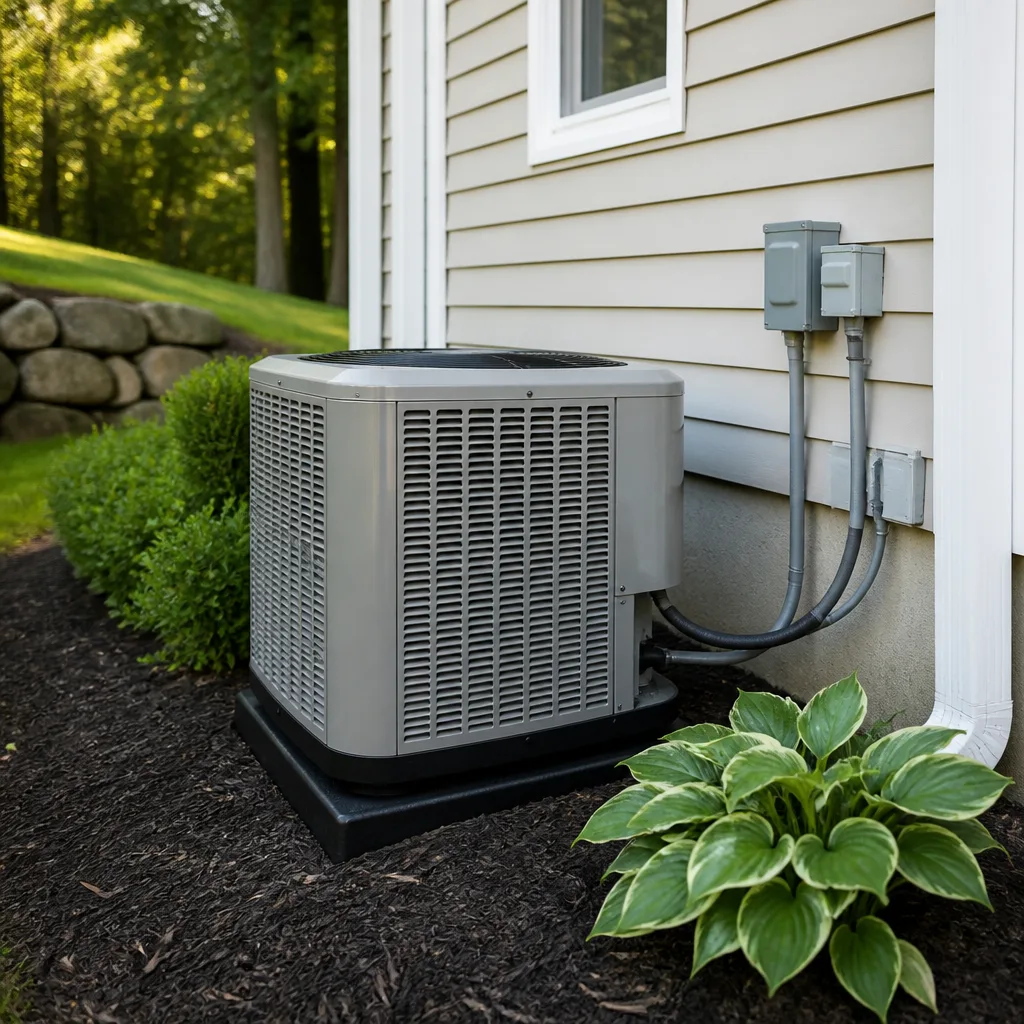 AC repair
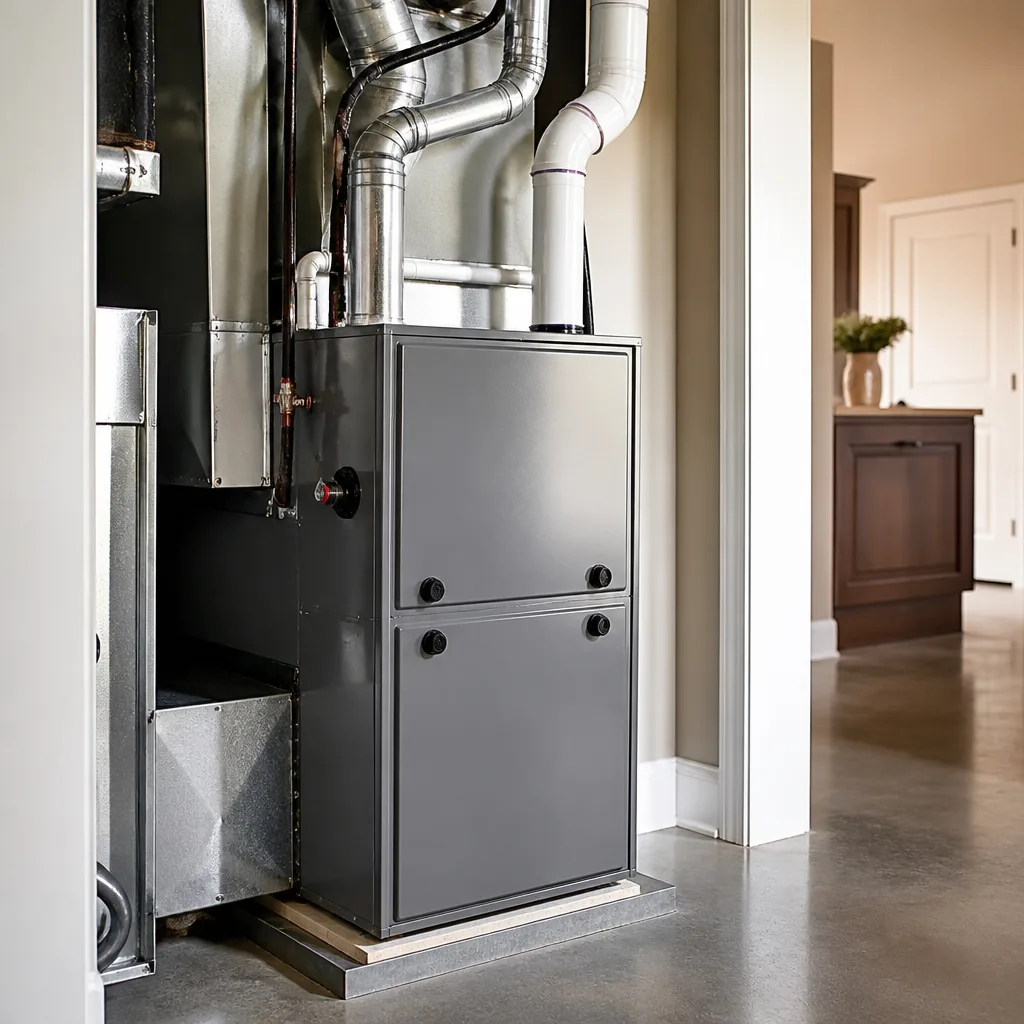 Furnace & heating
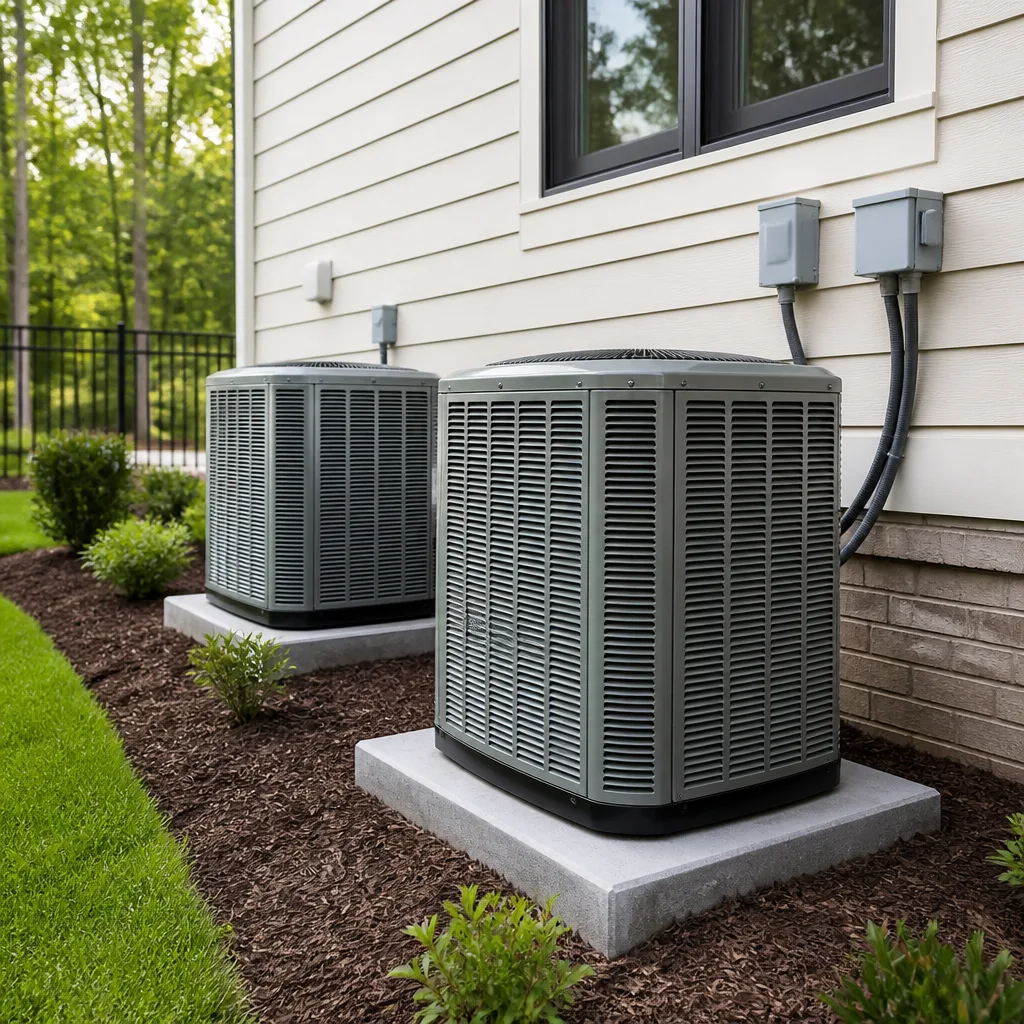 Heat pumps
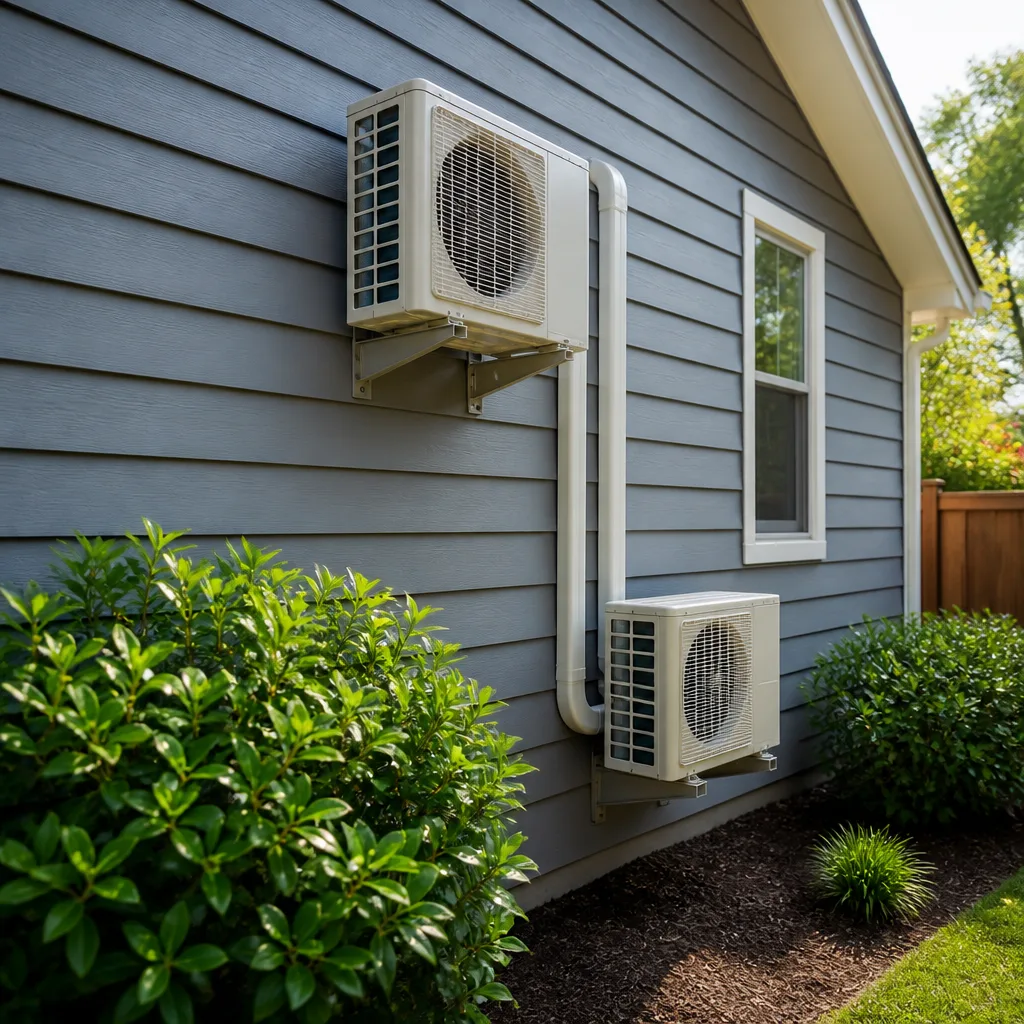 Ductless mini splits
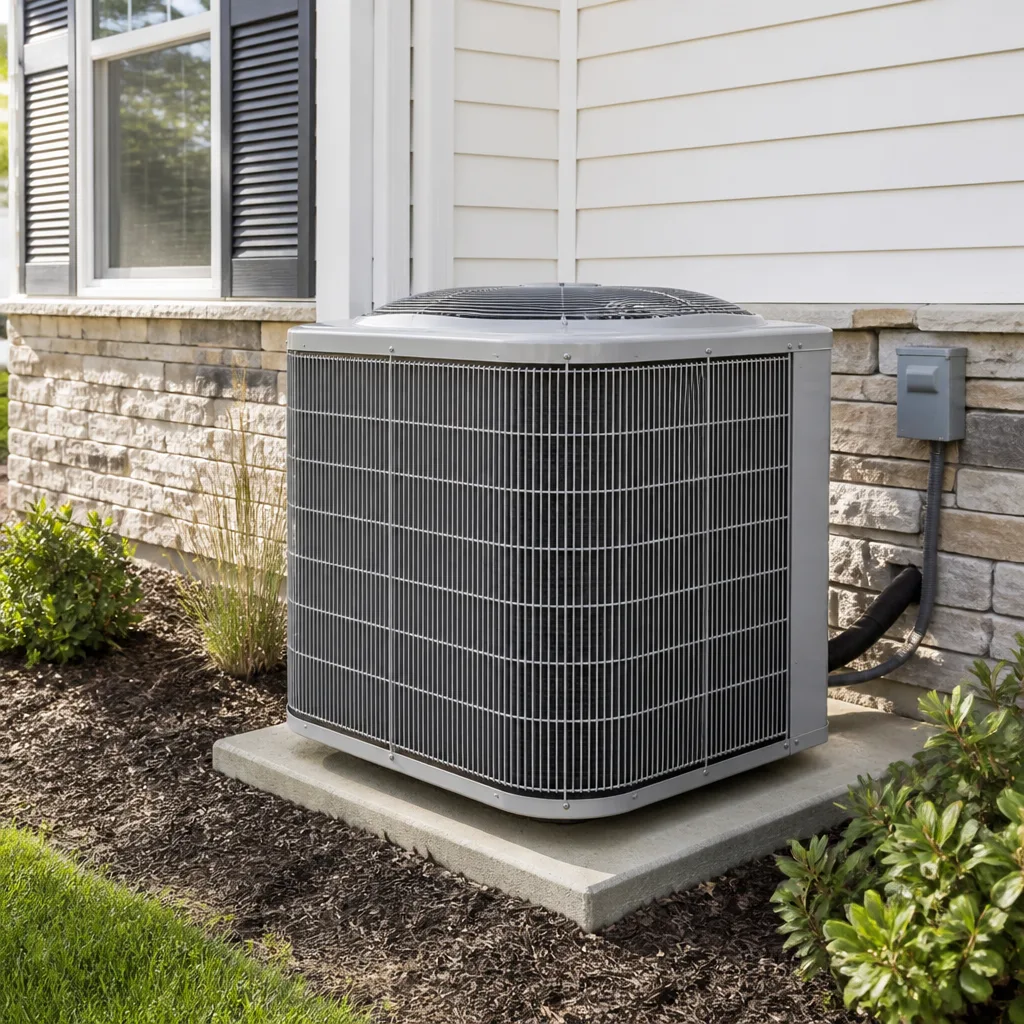 Carrier
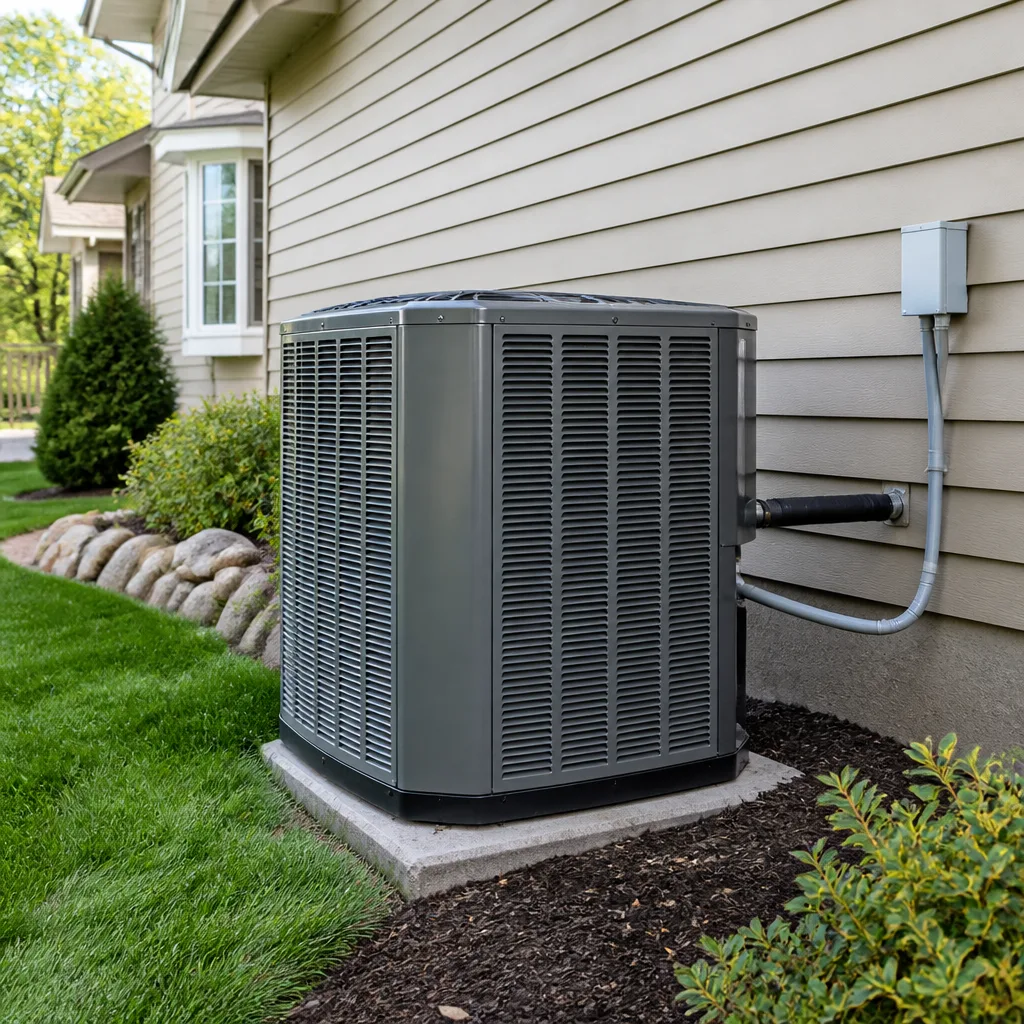 Trane
Trane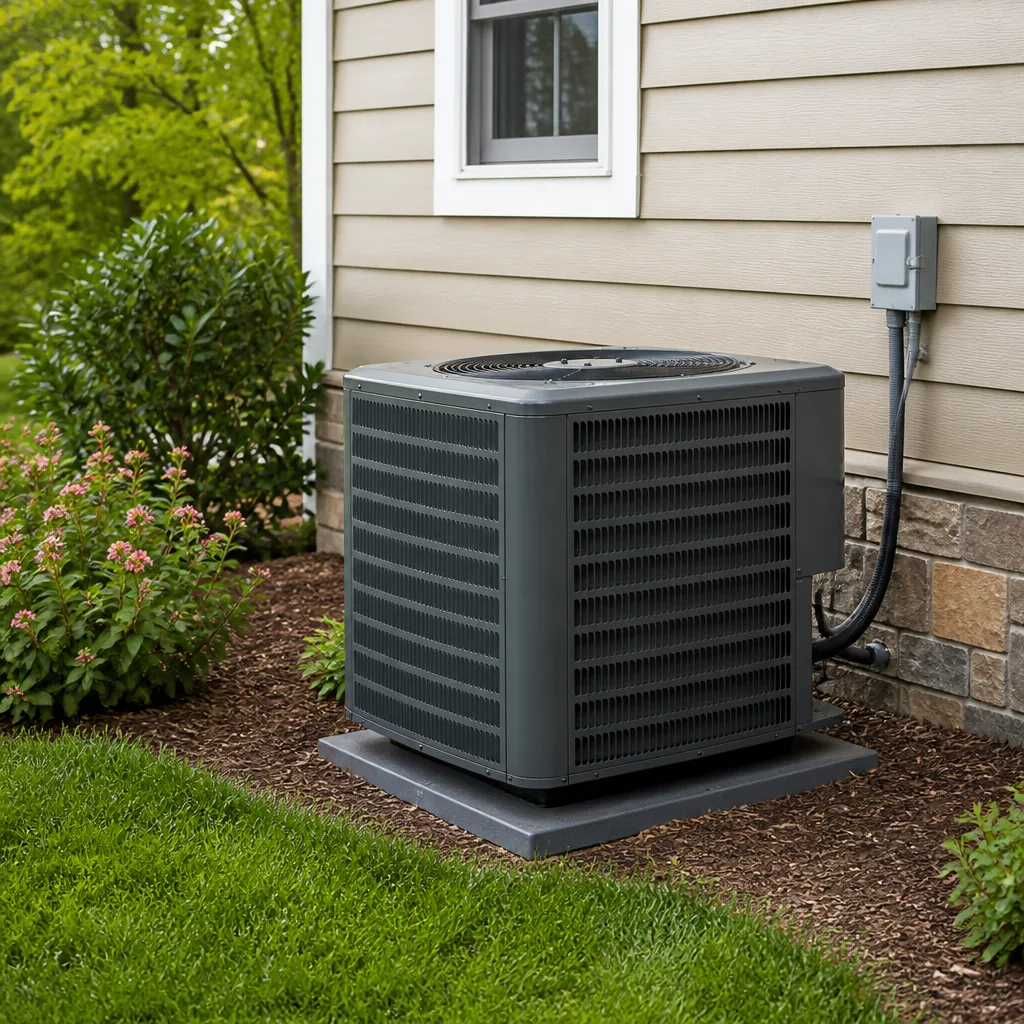 Goodman
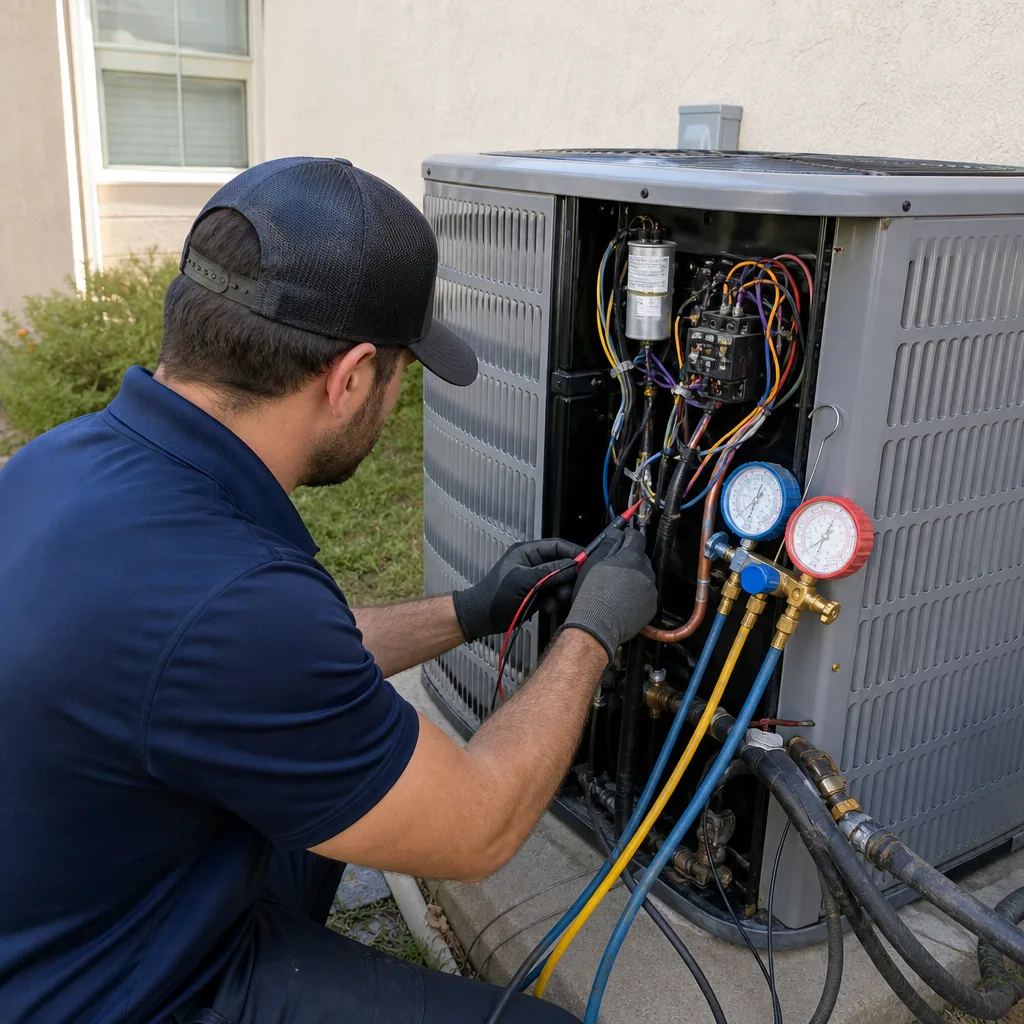
Seasonal tune-up and full diagnostic on your Carrier, Trane, or Goodman system - readings shown to you before any repair is proposed
Diagnosis first, numbers second - you approve the repair price before a single part goes in.
Get your free estimateSeasonal HVAC Care for Orlando: Year-Round Homeowner’s Guide
Most Orlando homeowners discover their heating system is dead on the exact night they need it most. Not during a scheduled checkup. Not when it’s convenient. It happens around 2 a.m. on a January morning when the temperature dips to 38 degrees and the heat pump, which has sat idle since a brief cold snap two winters ago, refuses to switch into heating mode. This guide, alongside our Complete Guide to HVAC in Orlando, replaces the generic four-season HVAC calendar with a three-season framework that actually matches how Orlando’s climate behaves: a long cooling grind, two short transition windows, and a mild winter that carries more risk than most people expect. You’ll learn what to do in April before the heat hits, what happens to your system during hurricane season, and why October maintenance extends equipment life by more than most homeowners realize.
Quick Answer
Seasonal HVAC care in Orlando works best when organized around three real seasons rather than four: a cooling season from May through October, transition months in April and November, and a mild winter that still requires heating-system readiness because of occasional near-freezing nights. The highest-return tasks are the April changeover inspection, rainy-season drain maintenance from June through September, and October cool-down service that catches refrigerant leaks and worn contactors before the system rests. Most homeowners skip the October visit because the AC still feels fine, which is exactly why October is when we find the most repairable problems in Orlando.
Styles & brands we work with
Table of Contents
- Why Orlando Has Three HVAC Seasons, Not Four
- The April Changeover Window: The Cheapest Two Weeks of the Year
- Cooling Season Care: May Through October
- Rainy Season Drainage: The Most Common June-September Failure
- Hurricane Season and Your HVAC System
- The October Cool-Down: What Everyone Skips and Why It Matters
- Winter Readiness: Heat Pump Care Before the Cold Nights
- Common Mistakes to Avoid
- When to Call a Professional
- Frequently Asked Questions
Why Orlando Has Three HVAC Seasons, Not Four
Plenty of HVAC guides copy the same four-season structure from northern states where furnaces matter as much as air conditioners, but our DIY vs Professional HVAC guide for Orlando homeowners explains why local expertise matters. That template falls apart in Orlando. Our climate has a cooling season that runs from May through October, a pair of transition months in April and November when temperatures shift but humidity stays high, and a winter that rarely produces freezing weather but still catches systems off guard. The practical result is that annual maintenance in Orlando should concentrate on air conditioning for roughly eight months of the year and on heating readiness for a much shorter but still critical window.
Cooling season in Orlando means daily highs in the upper 80s to mid-90s with dew points that keep indoor humidity elevated even on mild days. Your AC is not just cooling the house; it is removing moisture from the air every hour it runs. That continuous humidity load is what separates Orlando HVAC care from almost anywhere else in the country. Equipment that would coast through a summer in Denver or Phoenix gets pushed hard here from late spring through autumn. Understanding this helps explain why the maintenance schedule below places so much emphasis on drainage, refrigerant levels, and airflow restrictions. None of those are optional in a climate where the AC runs 3,000 hours or more per year.
Transition months matter because they offer access to service appointments before the rush. April and November are when scheduling is easiest, pricing is most stable, and problems caught early cost the least to fix. Winter, meanwhile, requires a specific set of heat pump checks that most homeowners have never heard of. We’ll cover those in detail below.
The April Changeover Window: The Cheapest Two Weeks of the Year
Orlando’s April changeover period is the two-week stretch, usually mid-April through early May, when daytime highs start hitting the mid-80s but before the full cooling-season demand spike. During this window, most HVAC companies still have same-week appointment availability. By late May, that window closes and homeowners face multi-day waits for non-emergency service.
Here is what our AC Repair Maintenance Checklist for Orlando Homeowners recommends for the April changeover inspection, in order of importance:
- Check the condensate drain line. Algae and mold grow in Orlando’s humid environment year-round, but they accelerate when the AC begins running daily. A clogged drain line is the single most common cooling-season failure we see in Orlando homes, and it’s almost always preventable in April.
- Test the thermostat in cooling mode. Set it a few degrees below room temperature and confirm the outdoor unit starts, the indoor blower runs, and cool air reaches the vents within a few minutes. Small thermostat failures often surface on the first hot day, not during mild weather.
- Inspect the outdoor condenser coil. Remove leaves, grass clippings, and any debris that accumulated over winter. Restricted airflow across the coil raises operating pressures and shortens compressor life. This is a five-minute task that prevents real damage.
- Replace or clean the air filter. During cooling season, a clean filter does more than protect indoor air. It keeps the evaporator coil from freezing and keeps the blower motor from overworking. We recommend checking the filter monthly from May through October and replacing it every 30 to 60 days depending on pets and dust.
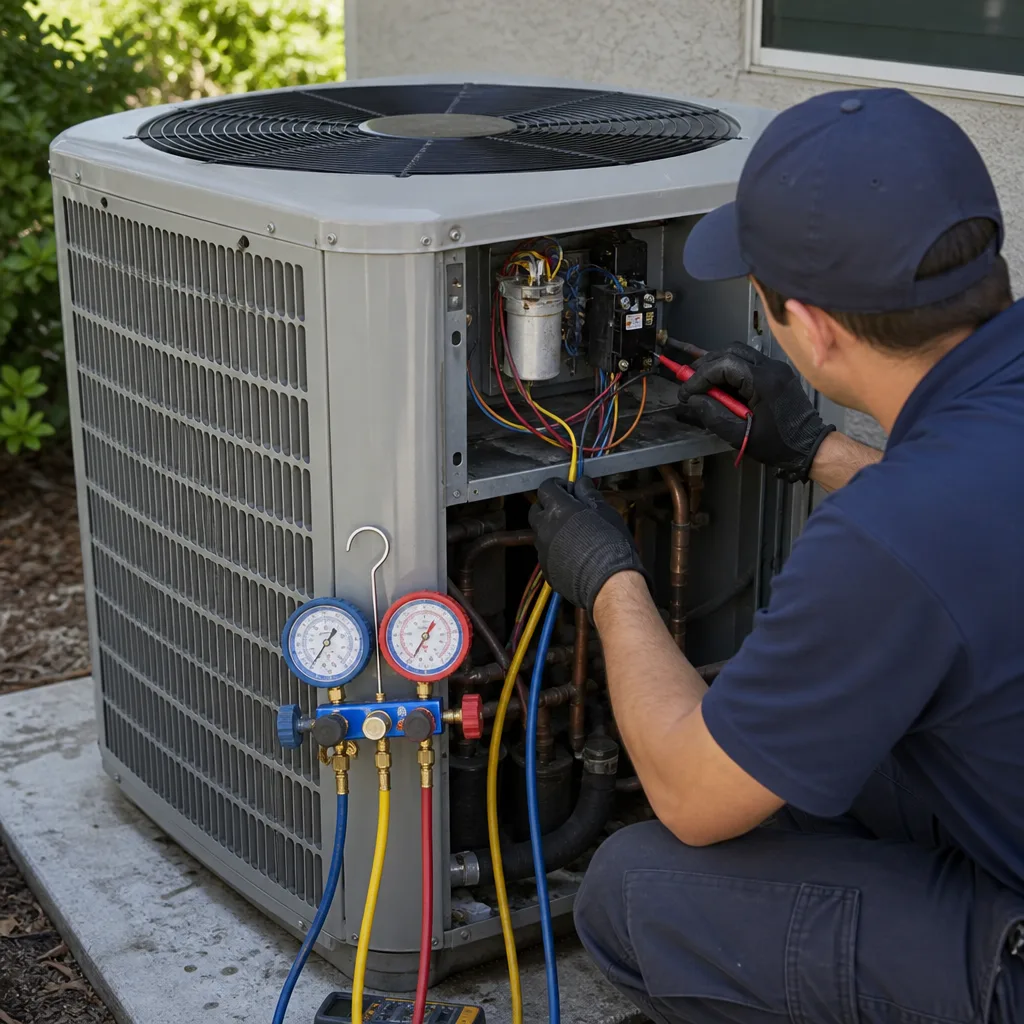
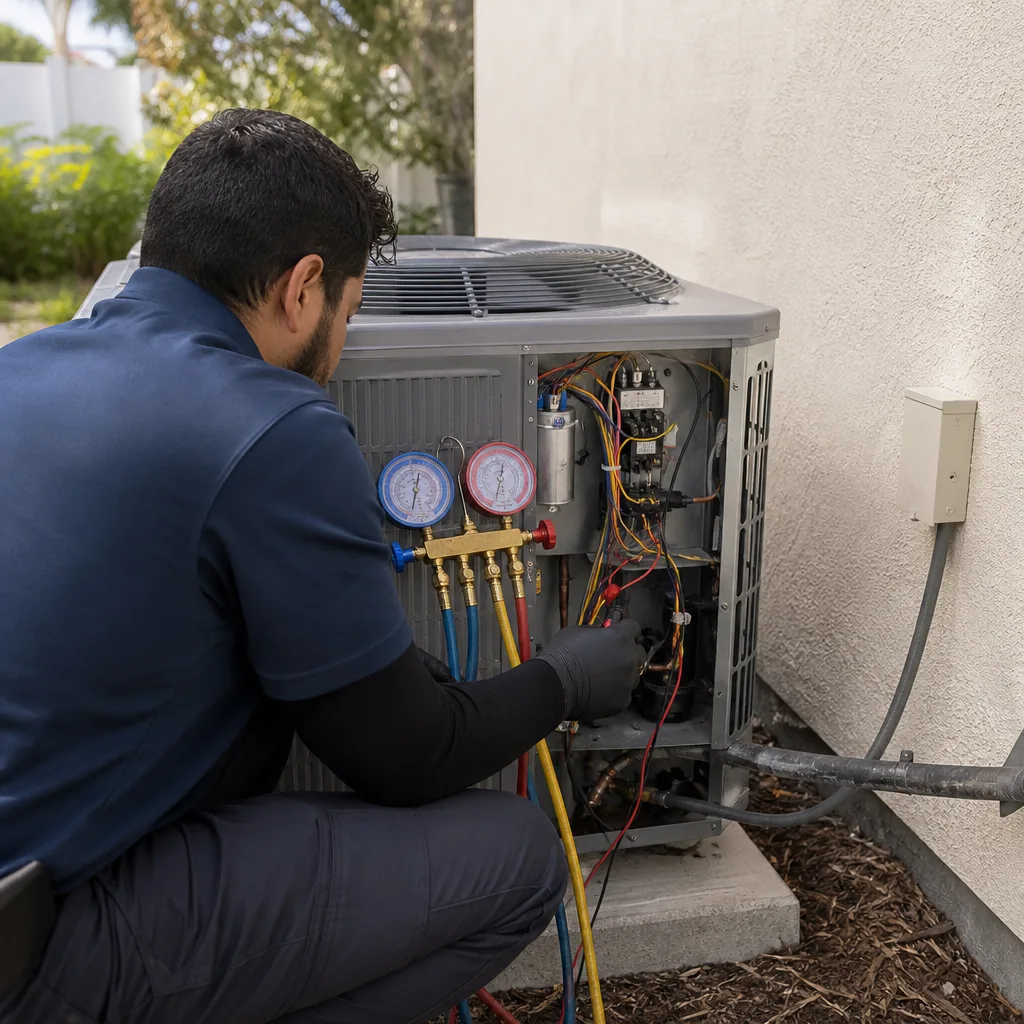
- Schedule a professional maintenance visit if it has been 12 months or more. A technician will check refrigerant pressures, electrical connections, motor amp draws, and the condition of the capacitor. In April, these appointments are easy to get. In July, they are not.
April is also the most cost-effective time for any needed AC repair in Orlando. Parts are stocked, technicians are not overbooked, and you have time to compare quotes without sweat running down the walls. If your system struggled last summer or made unusual noises in August, April is when you want us to look at it.
Cooling Season Care: May Through October
Once cooling season begins, the system’s job shifts from occasional use to daily work. In Orlando, that can mean 10 to 14 hours of runtime per day during peak summer stretches. The maintenance mindset also shifts: from preparation to monitoring and quick response.
Here is a month-by-month breakdown of what to watch for:
- May: Baseline month. Note how long the AC runs during the hottest afternoon hours. If it never cycles off, that’s a sign of low refrigerant, an undersized system, or poor attic insulation. Not necessarily a problem, but worth knowing.
- June: Rainy season begins. Humidity spikes, and the drain line works harder than any other time of year. Check for water around the indoor air handler once a week. A wet floor or dripping from the unit is the earliest sign of a clog.
- July and August: Peak heat and peak load. Change the filter monthly, even if it doesn’t look filthy. Florida summers put a fine dust and humidity load on filters that shortens their life faster than in other climates. Listen for new sounds: rattling, buzzing, or any change in the outdoor unit’s normal hum.
- September: Hurricane season peaks. Follow the storm prep checklist in the section below. After any storm with high winds, check the outdoor unit for bent condenser fins and debris.
- October: The shoulder month. This is when we recommend a professional cool-down service visit, covered in its own section below.
One Orlando-specific point: cooling season here is not a smooth curve. It comes in waves of extreme heat and humidity punctuated by afternoon thunderstorms. Your system experiences thermal stress followed by sudden cooling rain hitting the outdoor condenser. That combination, repeated hundreds of times over a summer, is why electrical connections and capacitors fail more often in Orlando than in drier climates.
Rainy Season Drainage: The Most Common June-September Failure
From June through September, Orlando’s afternoon thunderstorms and sustained humidity create the conditions that produce the simplest and most disruptive HVAC failure we see all year: a clogged condensate drain line with a tripped float switch. The sequence is predictable. Humidity rises, the AC removes more moisture from the air, and that moisture carries dust and biological growth into the drain line. The line narrows, flow slows, and eventually the float switch activates and shuts the system down to prevent flooding.
The homeowner experience is usually the same: the thermostat is set to 74, the house is at 79 and climbing, and the outdoor unit is silent. The fix is often a ten-minute drain clearing. The frustration is real. Here is how to prevent it:
- Inspect the drain line exit monthly. The line typically exits near the outdoor condenser or into a bathroom sink drain. Look for slow drainage or standing water at the exit point.
- Pour one cup of white vinegar down the drain line monthly. Vinegar slows algae and mold growth without harsh chemicals. We do not recommend bleach; it can damage the PVC over time and its fumes are unpleasant, especially in homes with kids or pets in close proximity to the air handler.
- Check the float switch if the system shuts down. Locate the small float assembly near the indoor unit. If the float is up, the switch is doing its job. Clearing the blockage will lower the float and restore operation. If you are not comfortable locating or clearing it, call us; this is one of the fastest service calls we run during rainy season.
- Consider a drain pan treatment tablet. Some homeowners find these slow biological growth. They are not a substitute for monthly attention, but they can reduce buildup between checks.
Air handler humidity loads in Orlando are extreme compared to most of the country. The same afternoon storm that cools the outside air from 94 to 78 degrees in an hour leaves the air nearly saturated. Your air handler then pulls that moisture out of the indoor air stream. That is the system working as designed. But drainage is the weak point in that process, and it needs the most consistent attention during rainy season.
Hurricane Season and Your HVAC System
Hurricane season officially runs from June 1 through November 30, with the highest Orlando risk from late August through early October. Most hurricane prep guides cover windows, water, and generators. Few mention the HVAC system, which is a mistake. The outdoor condenser unit is a large metal box sitting in the path of wind-driven debris, and the aftermath of a storm can include problems that surface weeks later.
Here is a practical hurricane-season HVAC checklist for Orlando homeowners:
- Before the storm: Turn off the disconnect switch at the outdoor unit. This prevents electrical damage from power surges or brownouts as the grid goes down or comes back up. Leave the indoor unit on but set the thermostat to a moderate temperature if you plan to stay. If you evacuate, set the thermostat to 78 or turn the system off entirely.
- Clear the area around the condenser. Move loose patio furniture, potted plants, toys, and anything else that could become a projectile. This protects both the condenser itself and your home’s windows and walls.
- After the storm passes, inspect before restarting. Look for visible damage: bent sheet metal, flattened condenser fins, branches or debris against the coil, and standing water around the unit. If the unit was submerged in flood water, do not restart it. Call us to inspect the electrical components before power is restored to the unit.
- Watch for delayed symptoms. Debris impact on condenser fins often does not cause an immediate failure. Bent fins restrict airflow, which raises operating temperatures and pressures. The compressor limps along for weeks, then fails in October or November. This is exactly why we recommend the October cool-down visit described below.
Post-storm refrigerant line inspection is another overlooked task. Wind-driven debris can dent or shift the copper line set that runs between the outdoor unit and the indoor air handler. A slow leak may develop that takes months to show up as reduced cooling. Catching it early means a simple repair. Catching it late can mean a compressor replacement, which is the most expensive single component in the system.
The October Cool-Down: What Everyone Skips and Why It Matters
By October, Orlando’s overnight lows start dipping into the 60s, and the AC runs less. The system has just completed five to six months of intense work. This is the single best time of year for a professional service visit, yet most homeowners skip it because the unit still cools fine. According to AHRI service data, regular seasonal maintenance extends equipment life by 20 – 30% compared to systems that only get attention when something breaks. Our experience in Orlando mirrors that. A properly maintained heat pump or AC compressor that would otherwise fail at year 10 often runs reliably to year 13 or 14.
Here is what a good October service visit includes:
- Refrigerant level check. A system that is even 10% low on refrigerant runs hotter and less efficiently. Small leaks found in October are usually repairable. The same leak found in July costs more and disrupts the household during the hottest stretch of the year.
- Electrical connection inspection and tightening. Vibration from a full summer of operation loosens connections. Loose connections arc, generate heat, and eventually fail. This is the most common cause of mid-summer capacitor and contactor failures.
- Capacitor testing. Capacitors weaken gradually, then fail suddenly on a hot day. Testing in October catches a weakening component before it fails when you need it most.
- Condenser coil cleaning. A season’s worth of grass clippings, dust, and airborne debris settles into the coil. A clean coil transfers heat more efficiently, which lowers energy use and extends compressor life.
- Condensate drain line clearing. What started growing in June and July gets cleared before it hardens into a full blockage over the winter.
- Heating mode test. This is the transition point. The reversing valve gets exercised before the cold season, which we cover in the next section.
The reason most homeowners skip this visit is that nothing appears broken. The reason a professional recommends it is that the failures are already forming, just quietly. In Orlando, where cooling equipment often runs more hours in one summer than a northern system runs in three years, the cumulative wear is real.
Winter Readiness: Heat Pump Care Before the Cold Nights
Winter in Orlando is brief, but it is not gentle on heating systems. The issue is not extreme cold, it is that the heating system sits unused for nine or ten months and is expected to work flawlessly on the two or three nights when temperatures dip into the 30s. For most Orlando homes, the heating source is a heat pump, which uses a reversing valve to switch between cooling and heating modes. That valve is the component most likely to fail after long periods of disuse.
Here is what homeowners can do before the first cold night each year:
- Test heating mode in November. Wait for a mild day, then raise the thermostat a few degrees above room temperature and confirm the system blows warm air. Run it for 15 minutes. If the outdoor unit runs but the air stays cool, the reversing valve may be stuck. Call us; this is a common repair and catching it in November means parts are still available, which is not always true in January in Orlando.
- Listen for the reversing valve shift. When a heat pump switches from cooling to heating, you should hear a brief whoosh or click from the outdoor unit. That sound indicates the valve shifted. If you don’t hear it and the air stays cool, that’s a sign of a stuck valve.
- Check the outdoor unit for leaves and debris. The condenser coil in heating mode acts as an evaporator. It absorbs heat from outside air, even when that air is 45 degrees. A dirty coil absorbs less heat, which forces the system to work harder. Clean the coil surface in November before the cold nights arrive.
- Confirm the emergency heat setting works. Most Orlando thermostats have an emergency heat or auxiliary heat setting. Test it once in November. This setting bypasses the outdoor unit and relies on electric heat strips. If the heat pump fails and you need heat tonight, this setting keeps the house comfortable until we can repair the system.
One uncomfortable truth from our experience: reversing valve failures discovered on a cold January night can mean a multi-day wait for parts. HVAC supply houses in Orlando stock cooling components heavily and heating components lightly. The valve itself is a common part, but the specific model for your heat pump may need to be ordered. Testing in November eliminates that risk.
If your home uses a gas furnace instead of a heat pump, winter prep is simpler but still necessary. Schedule a furnace inspection once a year, preferably in November or December. Gas furnaces in Orlando run so rarely that their most common problem is dust buildup in the burners and flame sensor, which causes ignition failures on the few cold nights they’re needed. Our furnace repair in Orlando service covers these seasonal checkups and repairs. A furnace inspection before the cold season is less disruptive than a no-heat call at 11 p.m. on a 40-degree night.
Common Mistakes to Avoid
- Treating the Orlando climate like a northern climate. Copying a four-season maintenance schedule from a national blog means under-servicing the cooling system during our long humid season. Orlando systems need twice the filter changes of a northern system and constant attention to drainage.
- Ignoring the condensate drain line until water appears. By the time water is visible on the floor near the air handler, the drain has been partially clogged for weeks. Monthly attention from June through September prevents this.
- Assuming the heating system works because it worked last year. Heat pumps and furnaces that sit idle for nine months degrade in subtle ways: reversing valves stick, flame sensors coat with dust, and control boards develop minor faults. Testing in November costs nothing and reveals problems before a cold night does.
- Skipping the October service because the AC still cools fine. This is the most expensive non-decision in Orlando HVAC. The issues a technician catches in October are the same issues that cause mid-summer breakdowns in July. The difference is cost, scheduling, and whether the family spends two nights in a hot house.
- Restarting the AC after a hurricane without inspecting the outdoor unit first. Debris-damaged fins and flood-exposed electrical components can fail immediately or degrade over weeks. A visual check takes five minutes and can prevent a compressor failure.
- Using bleach in the condensate drain line. Bleach is corrosive to PVC and creates fumes that are unpleasant in a home with kids or pets, especially when the air handler is in a closet or utility room. White vinegar is safer and equally effective for monthly maintenance.
- Waiting until June to replace a failing system. If the AC struggled through last summer, April is the time to plan a replacement. Our AC installation in Orlando team can schedule before the surge. Waiting until the first 95-degree week means competing with every other Orlando homeowner for the same installation slots and equipment availability.
When to Call a Professional
Some problems show clear symptoms that a homeowner should not ignore: a capacitor that hums but doesn’t start the compressor, a refrigerant line that is cold but the system blows warm air, a drain line that overflows despite monthly vinegar treatments, or a heat pump that won’t shift to heating mode in November. Any of these means something has already failed, and continuing to run the system risks a larger repair. If you hear arcing sounds, smell burning, or see water or refrigerant stains around the indoor unit, shut the system down and call us.
Meadowsweet Heating and Air Orlando offers free estimates in Orlando, and every visit includes a written price before any work starts. Call (850) 845-8659 to schedule.
Frequently Asked Questions
Seasonal maintenance visits in Orlando typically range from $89 to $189 for a basic inspection and tune-up, depending on the time of year and scope of the visit. A more thorough maintenance package that includes refrigerant level checks, electrical testing, and coil cleaning can run $200 to $350. At Meadowsweet Heating and Air Orlando, you’ll get a written price before any work starts, so there are no surprises. Call (850) 845-8659 for an exact quote, which is always free.
We recommend twice yearly: once in April before cooling season and once in October before the brief winter period. The April visit covers drain lines, refrigerant, and cooling performance; the October visit catches wear from summer operation and tests heating mode on the heat pump. Homes with pets, older systems, or heavy summer usage can benefit from additional filter changes and drain checks between visits.
If your system is over 10 years old and needs a repair costing more than 30% of the replacement value, replacement usually makes more sense. If the compressor itself has failed, replacement is almost always the better choice. A technician can measure capacity, check for refrigerant leaks, and give you a straight comparison of repair cost versus replacement cost. Our AC installation in Orlando page walks through the process.
During the April and October transition months, same-week and often same-day appointments are realistic. During July and August peak demand, same-day service may still be available depending on the problem, but scheduling flexibility helps. Drain line clogs and capacitor replacements are usually fast fixes. If you need immediate help, call (850) 845-8659 and a live person will answer 24/7.
Orlando’s rainy season humidity means your air handler is pulling gallons of moisture from the air every day, and that moisture carries dust, pollen, and biological growth into the drain line. The line narrows over time, and eventually the float switch shuts the system down to prevent flooding. Monthly vinegar flushes and periodic professional clearings keep most drain lines flowing.
Yes, turn off the disconnect switch at the outdoor condenser before a hurricane arrives. This protects the electrical components from power surges and brownouts. Leave the indoor unit off as well and set the thermostat to a moderate setting if you stay, or to 78 if you evacuate. After the storm, inspect the outdoor unit for visible damage before restoring power. Call us if you see bent fins, flood exposure, or refrigerant line damage.
The Bottom Line
Orlando’s climate punishes HVAC systems in ways that national, four-season guides rarely acknowledge. The long humid cooling season means constant drainage attention and twice-yearly professional service. The brief winter, ironically, requires more preparation than most homeowners give it because heating components sit idle for months and are expected to work instantly on the few cold nights that arrive. The April and October transition periods are the highest-leverage moments of the year for scheduling, pricing, and problem prevention. If you remember nothing else from this guide: change the filter monthly from May to October, clear the drain line during rainy season, and make that October appointment before the cold snap forces the issue. We service Carrier, Trane, Lennox, Goodman, Rheem, York, Daikin, Bryant, and American Standard equipment, and every visit includes a written price before work starts, shoe covers and drop cloths inside the home, and a photo of the clean-up before the crew leaves. Call (850) 845-8659 to schedule your seasonal visit. A live person answers, day or night.
Written by Luis Serrano, Owner at Meadowsweet Heating and Air Orlando, serving Orlando since 2004.
See the difference
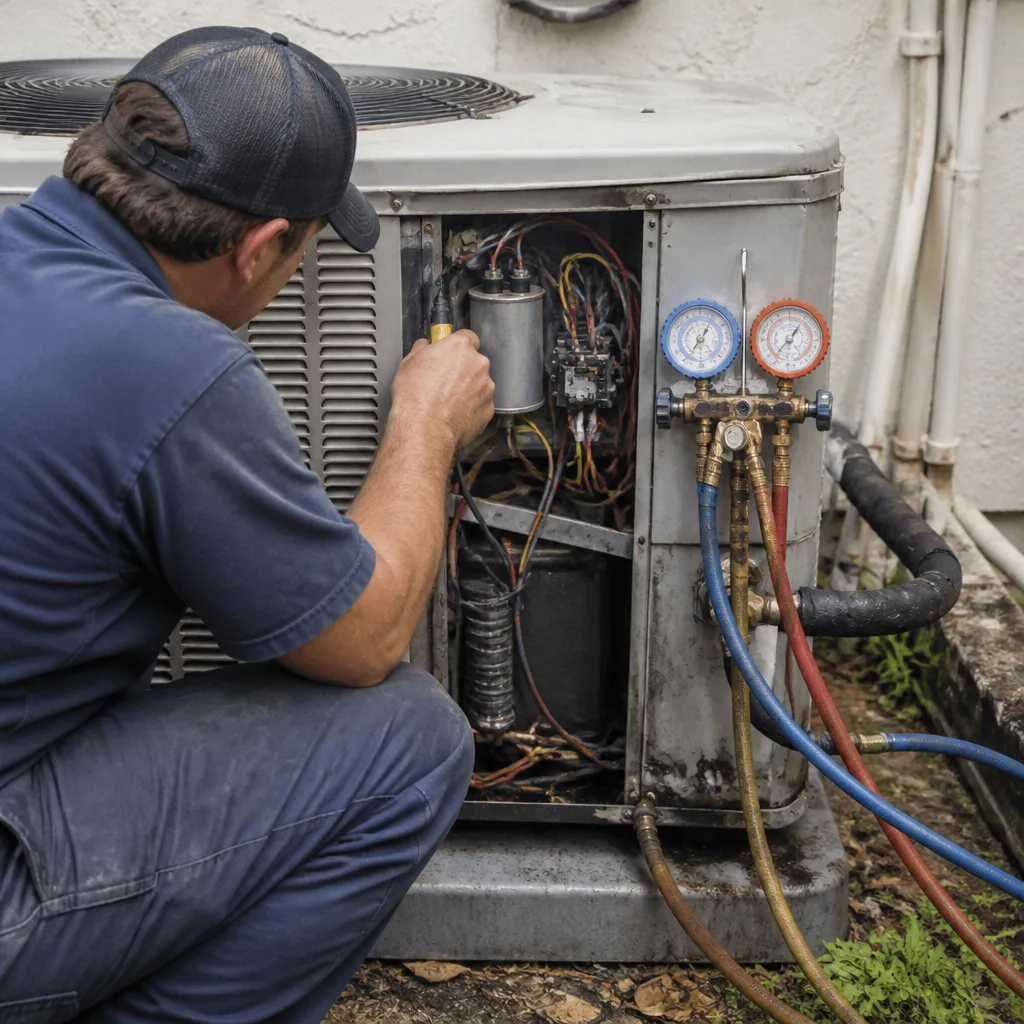 Before
 After
After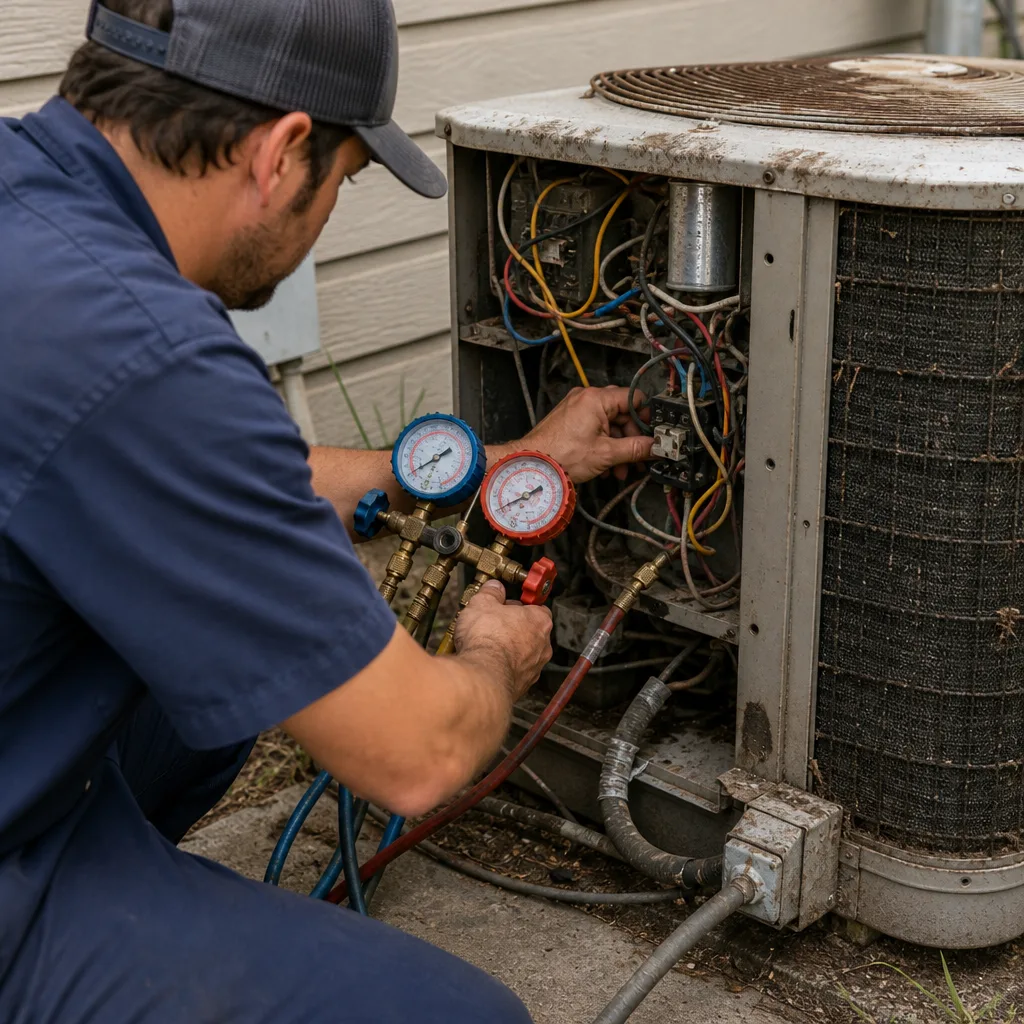 Before
 After
After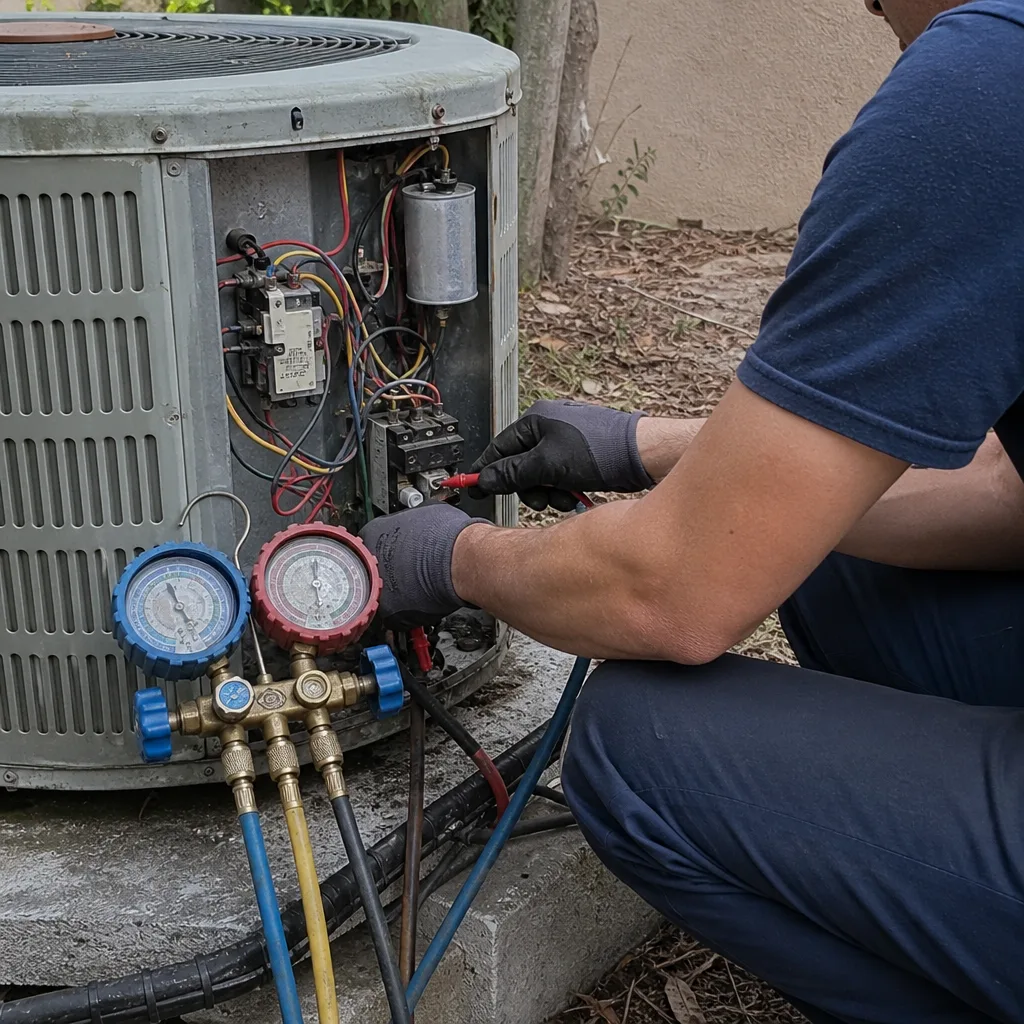 Before
 After
After