
Last updated October 16, 2026
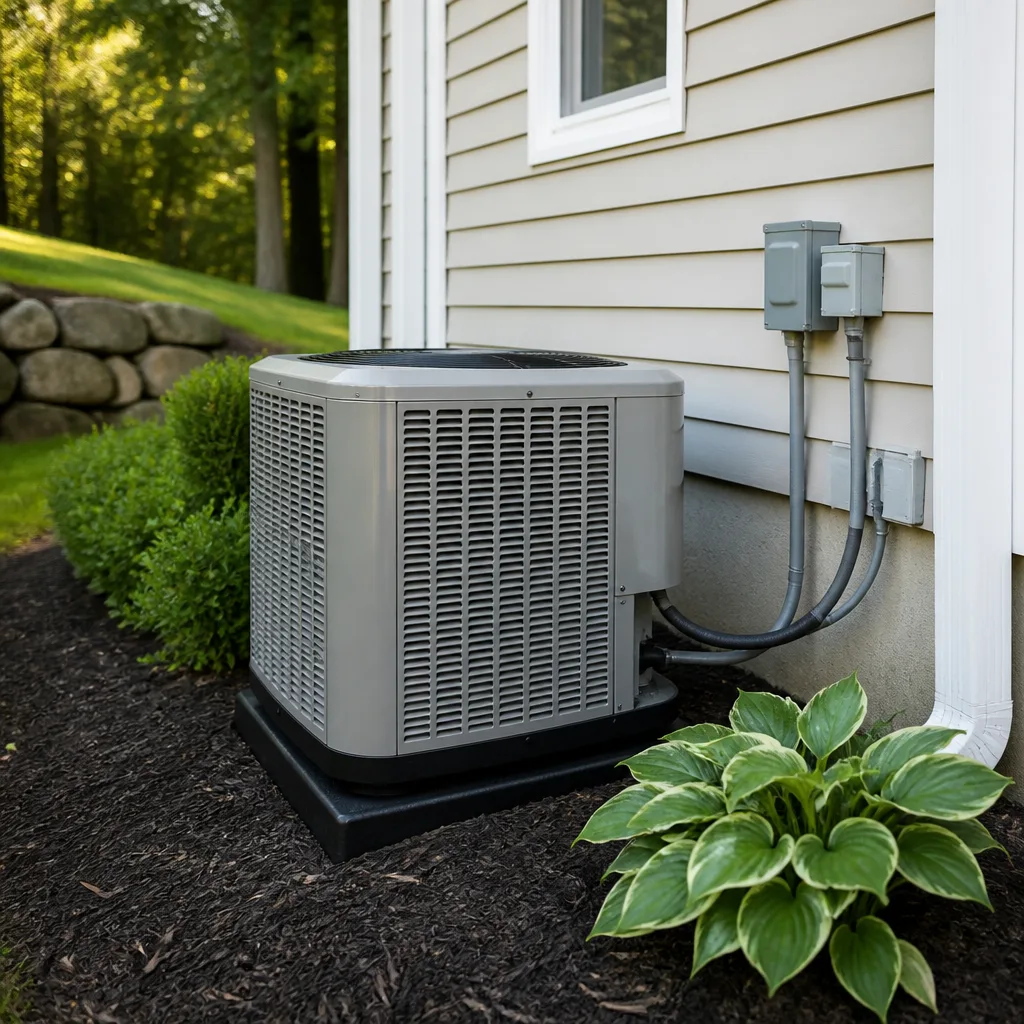 AC repair
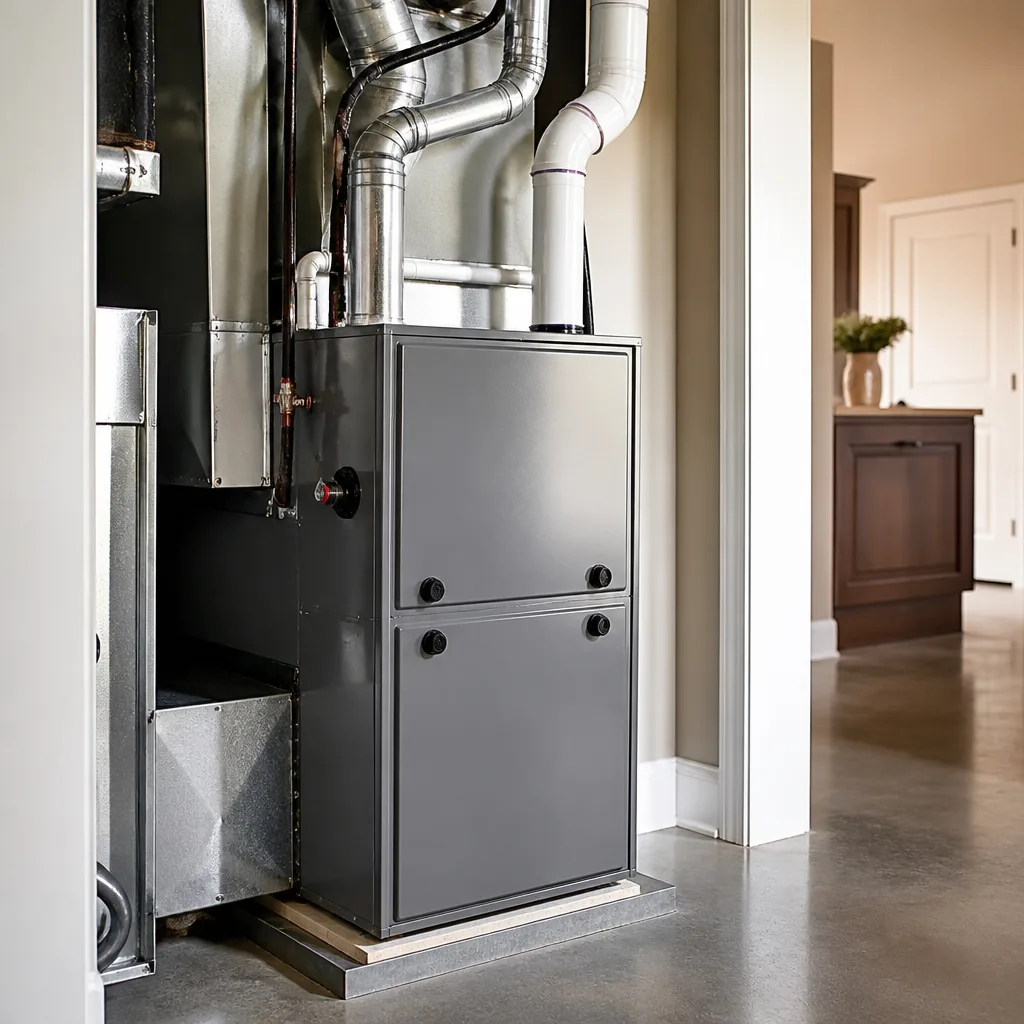 Furnace & heating
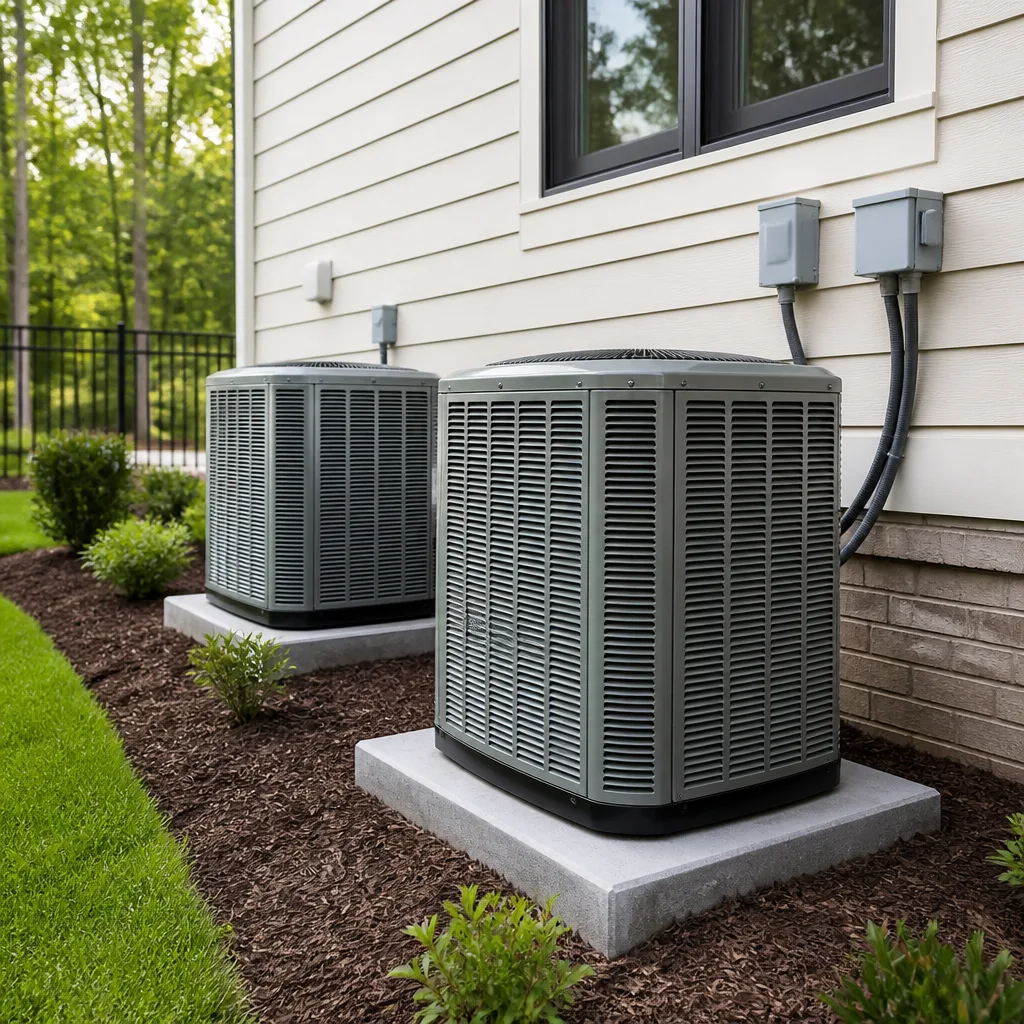 Heat pumps
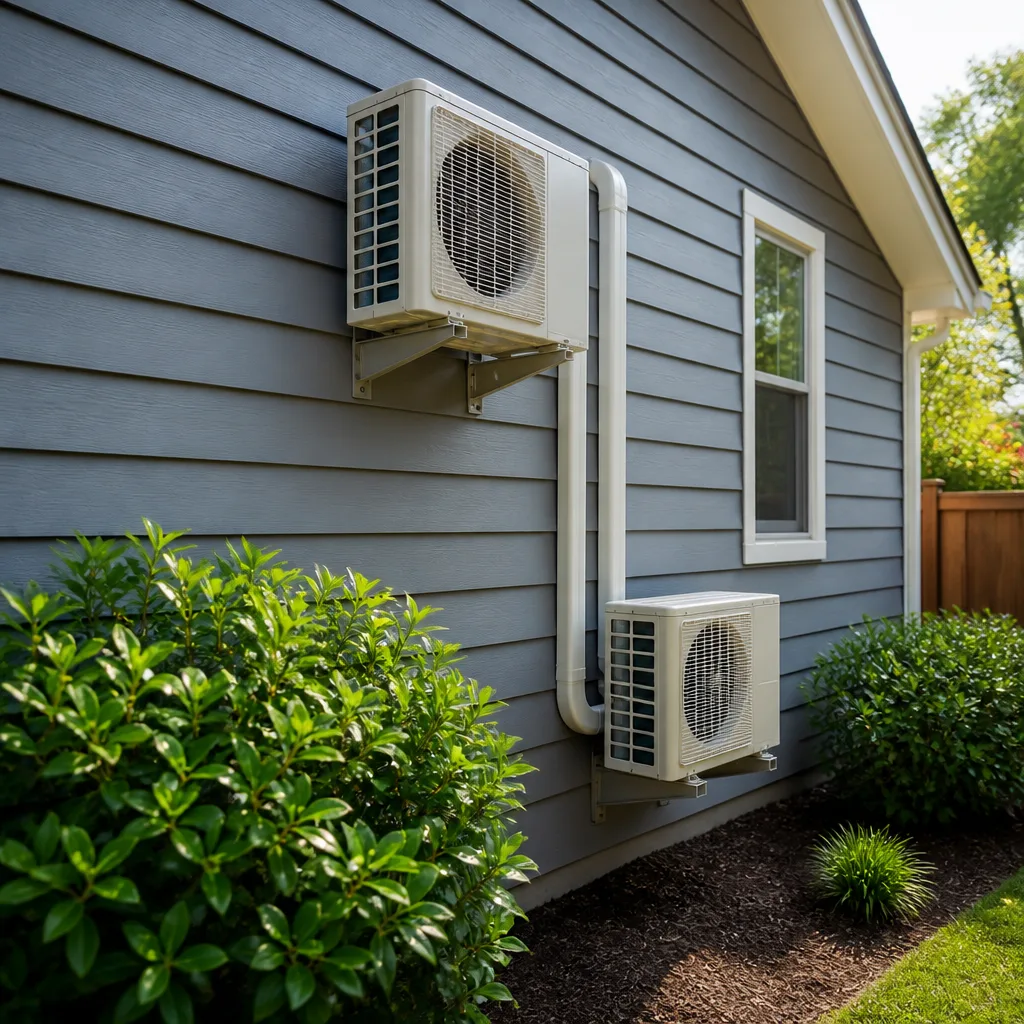 Ductless mini splits
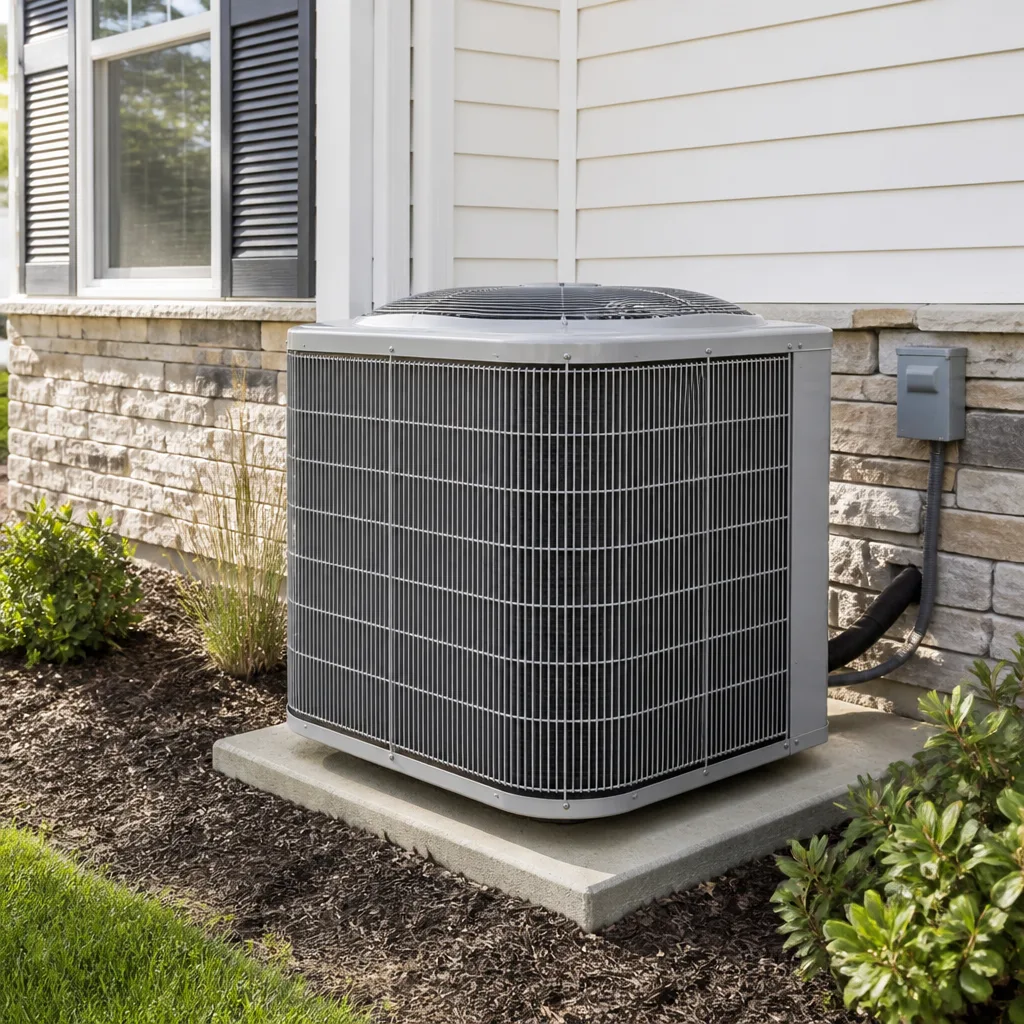 Carrier
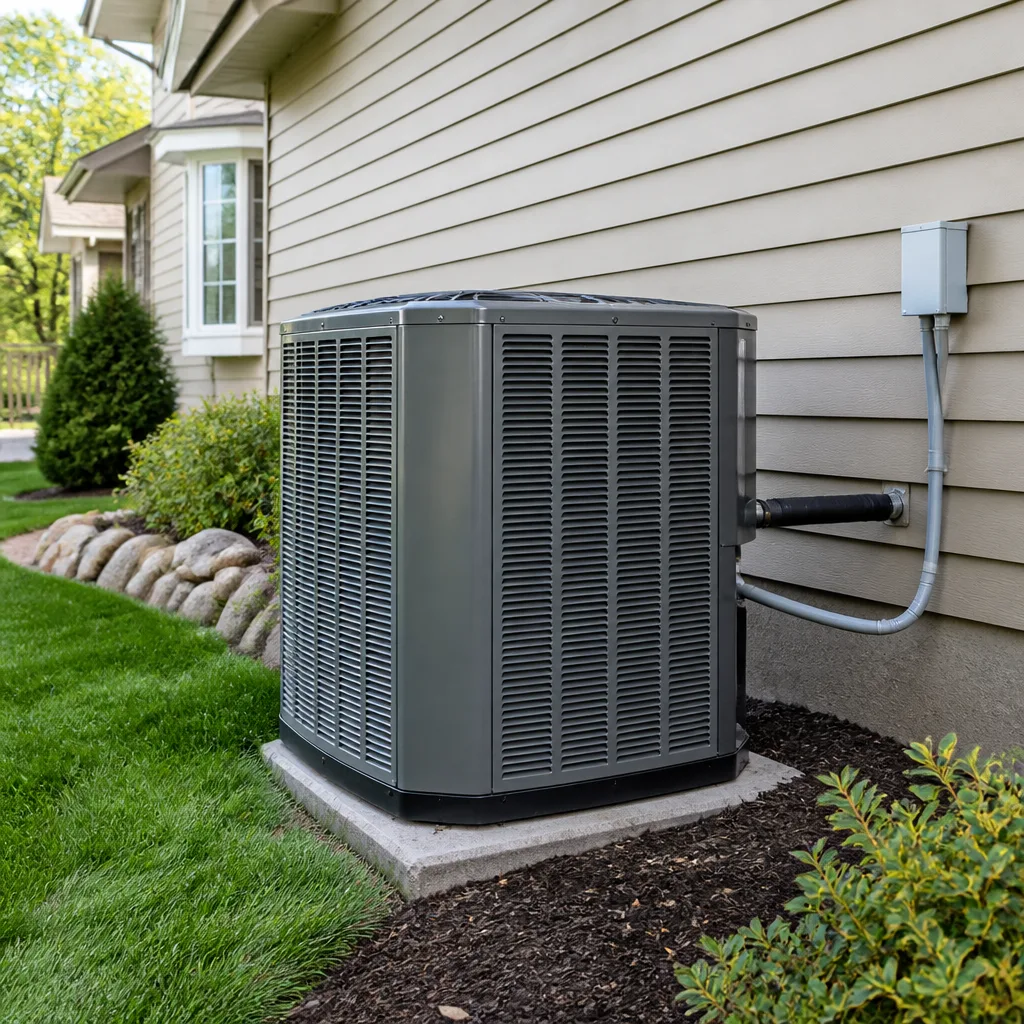 Trane
Trane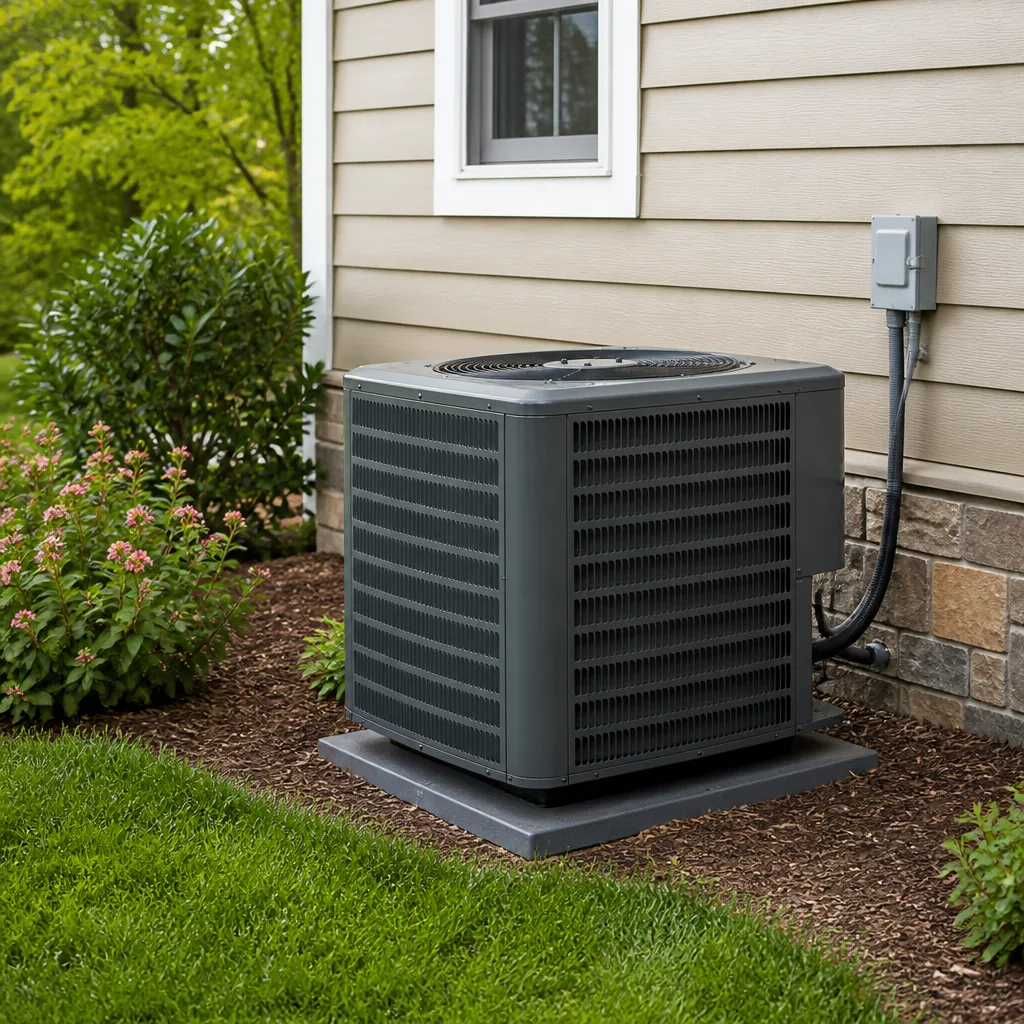 Goodman
Seasonal tune-up and full diagnostic on your Carrier, Trane, or Goodman system - readings shown to you before any repair is proposed
Diagnosis first, numbers second - you approve the repair price before a single part goes in.
Get your free estimateThe Complete Guide to HVAC in Orlando
Orlando averages 233 sunny days a year, which sounds like a selling point until you realize your air conditioner runs roughly 2,800 hours annually. That’s nearly double what a Chicago unit logs. Most “complete HVAC guides” are written for four-season climates and quietly mislead Florida homeowners from the first paragraph. This guide is different. It maps every major heating and cooling decision a Central Florida homeowner faces: sizing, efficiency ratings, humidity control, brands, permits, and how to read your utility bill like a diagnostician. By the end, you’ll know what actually matters in Orlando and what’s just noise from generic advice.
Quick Answer
HVAC in Orlando means prioritizing a properly sized AC system with a SEER2 rating of 16 or higher, matched to your home’s square footage and our 74% average humidity. The right system runs efficiently for 12 to 15 years with two maintenance visits per year. The wrong system, especially an oversized one, cools the air too fast to remove moisture and leaves you with a muggy, mold-prone house. Call Meadowsweet Heating and Air Orlando at (850) 845-8659 for a written quote before any work starts.
Styles & brands we work with
Table of Contents
- Why Orlando’s Climate Changes Everything
- SEER2 Ratings: The Real Orlando Math
- Humidity and Sizing: Why Bigger Is Worse
- Which Equipment Brands Hold Up in Central Florida
- Orange County Permits: The Timeline Nobody Mentions
- How to Read Your FPL or Duke Energy Bill for HVAC Problems
- The Orlando Maintenance Calendar
- Repair or Replace? A Decision Framework for Orlando Homeowners
Why Orlando’s Climate Changes Everything
Orlando sits in a humid subtropical zone. That phrase gets thrown around, but here’s what it means for your equipment: your AC handles two full jobs at once. It lowers air temperature and it removes water vapor. A system in Phoenix only does the first job. A system in Chicago does the second job only a few months a year. Yours does both jobs, simultaneously, for roughly nine months of every year.
Heat indexes in July and August routinely push past 100°F. Overnight lows from June through September often stay above 75°F, which means the AC never gets a rest. The condenser outside is pulling hot, damp air across its coils around the clock. Inside, the evaporator coil is sweating constantly, producing gallons of condensate that has to drain somewhere. Every design decision in this guide traces back to that reality.
And it’s not just summer. Orlando’s so-called winter, that stretch from December through February, still matters. We regularly see afternoon temperatures in the 70s and 80s with nights dipping into the 40s. Heat pumps sized for cooling get pressed into heating duty for a few hundred hours annually. In neighborhoods like Audubon Park, College Park, and Lake Nona, we inspect systems every week that were sized by someone using a generic national load calculation with no adjustment for Orlando’s specific humidity profile. A system sized for Atlanta will fail here, not necessarily catastrophically, but through higher bills, shorter lifespan, and a house that never quite feels dry.
What this means practically: treat Orlando as a cooling-dominant, humidity-driven market. Every decision below, from SEER2 to brand selection to maintenance schedule, follows from that starting point.
SEER2 Ratings: The Real Orlando Math
SEER2 is the updated efficiency metric the Department of Energy implemented in 2023. It measures cooling output per watt of electricity under more realistic testing conditions than the old SEER standard. For Florida, the minimum for new installations is 15 SEER2 in the southern region. But here’s the thing most guides miss: the payback math for higher SEER2 ratings is dramatically better in Orlando than in most U.S. cities.
Why? Runtime. A high-efficiency system saves money every hour it runs. A unit in Ohio runs maybe 1,200 hours a year. Yours runs 2,800. So every point of SEER2 improvement is worth more than twice as much here as it is in the Midwest.
Let’s put actual numbers on this. Duke Energy’s residential rate in the Orlando area currently sits around 14 to 15 cents per kilowatt-hour, depending on your rate plan. Consider a typical 2,000-square-foot Orlando home with a 3.5-ton system.
- A 15 SEER2 baseline unit draws roughly 28,000 BTU per hour per watt, consuming about 3.2 kilowatts while running. Over 2,800 hours, that’s about 8,960 kilowatt-hours.
- A 17 SEER2 unit with the same capacity draws about 2.8 kilowatts. Over 2,800 hours, that’s 7,840 kilowatt-hours.
- The difference: roughly 1,120 kilowatt-hours saved per year. At 14.5 cents per kilowatt-hour, that’s about $162 every year.
- A 19 SEER2 variable-speed unit can save closer to $280 to $350 annually over the 15 SEER2 baseline.
The premium for a 17 SEER2 unit over a 15 SEER2 unit in Orlando currently runs between $1,200 and $1,800. That means the payback window is roughly 7 to 11 years. You’ll own that system for 12 to 15 years here. The math works. The premium for a 19 SEER2 unit is higher, usually $3,000 to $4,500, but the variable-speed comfort benefit matters more than the energy math in most Orlando homes. A variable-speed unit runs at low speed for long periods, which removes more humidity than a single-stage unit that blasts on and off. For that reason alone, many Orlando homeowners step up to variable speed even when the strict payback math is marginal.
One more nuance: FPL customers, which includes much of Orange County outside Orlando city limits, pay slightly lower rates on average. That stretches the payback window by a year or two. Duke Energy customers, which includes much of Orlando proper, see the faster returns. Either way, Orlando’s runtime advantage makes higher SEER2 an easier decision here than anywhere else in the country except the desert Southwest.
Humidity and Sizing: Why Bigger Is Worse
Orlando averages 74% relative humidity year-round. In July and August, it’s common to see 90% humidity at sunrise, falling to 60% by late afternoon. Your AC is the dehumidifier for your whole house. That single fact changes the sizing conversation completely.
The old-school rule of thumb was one ton of cooling per 500 square feet. A 2,000-square-foot house got a 4-ton system. That rule came from northern climates where humidity isn’t the primary enemy. In Orlando, following that rule produces a system that’s oversized by 25% to 40%. And counterintuitively, an oversized system makes your house less comfortable, not more.
Here’s why. Moisture removal takes time. Air has to linger on the cold evaporator coil long enough for water vapor to condense and drain away. A properly sized system runs for 20 to 30 minutes per cycle in peak summer, pulling out water the whole time. An oversized system cools the air in 10 minutes and shuts off. The thermostat reads 72°F. The air still holds 65% relative humidity. The house feels clammy, you set the thermostat lower, the oversized system short-cycles more, and electricity bills climb every month.
In Orlando neighborhoods with older housing stock like Colonialtown or Delaney Park, we frequently see short-cycling systems paired with homes that already struggle with air sealing. The result is cold-but-musty bedrooms and the smell of mildew in closets. The fix is usually not a bigger unit. It’s a smaller, right-sized unit that runs longer, lower, and slower.
Modern sizing uses Manual J load calculations that account for square footage, window orientation, insulation levels, ceiling height, and yes, Orlando’s specific outdoor design temperature and humidity. In our experience, a well-insulated 2,000-square-foot Orlando home built in the last 20 years usually needs 3 to 3.5 tons, not 4. An older home with single-pane windows might need 3.5 to 4 tons, but never the 5 tons some outdated contractors try to sell.
The takeaway: ask any contractor how they sized the system. The answer should be “Manual J load calculation.” If it’s “years of experience” or “square footage per ton,” get a second opinion before you sign anything.
Which Equipment Brands Hold Up in Central Florida
Orlando is not a coastal salt-air market. We’re 40 miles inland. What we do have is relentless heat, high humidity, frequent lightning storms, and occasional hurricane-force winds. Those four factors, not salt, determine which brands survive here.
Condenser coils are the first thing to fail in Orlando. The combination of heat and humidity accelerates corrosion on aluminum and copper fins. Brands that use thinner coil stock or less protective coatings show corrosion failure earlier here. In our inspection data, condenser coil leaks and evaporator coil pinholes account for the majority of replacement decisions in Orlando homes over 8 years old.
A few brands have earned solid reputations in Central Florida, and we service all of them: Carrier, Trane, Lennox, Goodman, Rheem, York, Daikin, Bryant, and American Standard. We work on all nine brands because no single manufacturer makes the perfect system for every Orlando home. The right answer depends on your budget, your home’s ductwork, your square footage, and your sensitivity to noise levels from the outdoor unit.
That said, for Orlando conditions specifically, we tend to look closely at Daikin and American Standard for homeowners who want maximum coil longevity. Daikin’s variable-speed compressors run at lower temperatures, reducing thermal stress on the compressor and coils. American Standard has a long track record of coil quality in humid southern markets, with fewer corrosion-related warranty claims than the industry average in our experience. York and Bryant are also solid options with competitive pricing, but their entry-level single-stage units are less forgiving in Orlando’s humidity than variable-speed equipment from the same brands.
What matters more than the badge on the unit is the quality of the installation and the airflow design. A perfectly good American Standard unit installed with undersized ductwork will fail early. A basic Goodman installed with correct airflow, proper refrigerant charge, and a clean electrical connection will run well for 12 years. The brand matters, but the installation matters more. When we give a written quote for an AC installation in Orlando, we spec the equipment, the airflow design, and the materials on the same line-item sheet because that’s what actually determines lifespan.
One additional Orlando-specific caution: if your home is in a neighborhood with frequent afternoon thunderstorms, like Dr. Phillips or Windermere, invest in a quality surge protector for the condensing unit. We see more compressor failures from lightning-induced voltage spikes in those areas than from any mechanical defect. It’s a $150 to $400 add-on that prevents a $1,800 to $3,500 compressor replacement.
Orange County Permits: The Timeline Nobody Mentions
If you’re replacing your entire AC system in Orlando, you need a permit from Orange County or the city of Orlando, depending on your address. This is not optional. Unpermitted work creates problems when you sell the house, and it can invalidate your homeowners insurance in the event of a fire or other claim traced to the equipment.
Here’s the timeline contractors rarely explain before you sign:
- Application submission: The contractor files for a mechanical permit. This typically takes 1 to 3 business days to process, but it can take up to 7 days in peak season, which in Orlando is May through September.
- Permit approval: Orange County’s Division of Building Safety reviews the application. Straightforward replacements with no electrical panel changes usually pass in 1 to 2 weeks. If the job includes a panel upgrade or new ductwork, plan for 2 to 4 weeks.
- Installation: The permit must be posted on site before work begins. Installation itself takes 1 to 2 days for a full system replacement.
- Inspection: Orange County requires a mechanical inspection after installation. The inspector checks refrigerant line connections, condensate drainage, electrical disconnects, and thermostat wiring. Inspections are typically scheduled within 1 to 3 days of completion.
- Final approval: Once the inspection passes, you get a final approval notice, usually via email. Keep this document. You’ll need it when you sell your home.
Total timeline for a typical Orlando AC replacement: 2 to 4 weeks from signing the contract to final inspection, with installation happening somewhere in the middle. Contractors who promise same-day or next-day full system replacements are either skipping the permit or not being honest with you. A reputable contractor handles the permit for you and includes the fee in the written price. The permit cost in Orange County for a mechanical replacement currently runs between $150 and $400 depending on the scope. If a quote doesn’t mention permits, ask about it directly.
One more Orlando-specific note: if you live in a historic district like Lake Eola Heights, additional review may be required before the permit is issued, particularly for any exterior changes to the home. Most AC replacements don’t trigger historic review, but moving a condenser location or changing the exterior appearance of the unit can. We handle this paperwork as part of every installation, because it’s the kind of detail that separates a smooth job from a stressful one.
How to Read Your FPL or Duke Energy Bill for HVAC Problems
Your utility bill is a diagnostic tool. Before you call a technician, spend ten minutes with your last 12 months of statements. You’ll often find the problem, and you’ll be a smarter customer when the technician arrives.
Both FPL and Duke Energy provide monthly and annual usage data, usually in kilowatt-hours. Here’s how to read it for HVAC issues:
- Compare summer to winter usage. In an Orlando home, your AC accounts for 50% to 70% of your annual electricity. If your summer bills are more than 3 times your January bill, your system is running inefficiently. A properly sized and maintained system in a reasonably insulated home shouldn’t exceed that ratio.
- Look at your kilowatt-hours, not your dollar amount. Rate changes confuse comparisons. FPL’s rates have shifted several times in recent years. Dollars go up even when usage stays flat. Track kilowatt-hours instead. If your August kilowatt-hours are 20% higher this year than last year with similar weather, something has changed in your system’s efficiency.
- Check the demand or usage pattern if you’re on a time-of-use rate. Both utilities offer time-of-use plans. If your AC runs heavily during peak afternoon hours, that’s normal for Orlando’s heat, but it also means a programmable thermostat with a daytime setback saves you real money. Set it to 78°F when you’re at work and 74°F when you’re home. The savings show up in the next billing cycle.
- Look for a slow year-over-year increase with no change in your habits. A 5% to 10% annual increase in kilowatt-hours usually means your condenser coil is dirty or your refrigerant charge is low. Both make the system work harder to remove the same heat. A 20% increase often means a refrigerant leak or a failing compressor. Call a technician for a diagnostic before the small problem becomes a big one.
Both utilities let you set monthly thresholds and will text you when usage crosses a certain level. Set the threshold a bit above your typical peak, and you’ll catch efficiency losses early.
One specific Orlando pattern: if your bill spikes in April, not July, that’s a red flag. April in Orlando is warm but not brutal, with average highs in the low 80s. It’s the first month your AC runs consistently after the mild winter. A system with a low refrigerant charge or a dirty coil will show its inefficiency most clearly in April’s moderate temperatures. By July, every system is working hard, and the difference between a healthy and ailing unit gets harder to spot.
We’ve had homeowners come to us with a diagnosis already made from their utility bill: “My kilowatt-hours jumped 30% in October, and nothing else changed.” They’re usually right. The technician confirms it with a pressure test and a coil inspection. You can read your bill, identify the problem, and call for AC repair in Orlando with a specific description of what you’re seeing. It saves time, and it makes the whole process more transparent.
The Orlando Maintenance Calendar
In Orlando, AC maintenance is not optional. The system runs 2,800 hours a year. That’s the equivalent of driving your car 85,000 miles annually without an oil change. Two maintenance visits per year, one in spring and one in fall, extend the life of the equipment and catch small problems before they become expensive ones.
Here’s the schedule that works for Orlando’s climate:
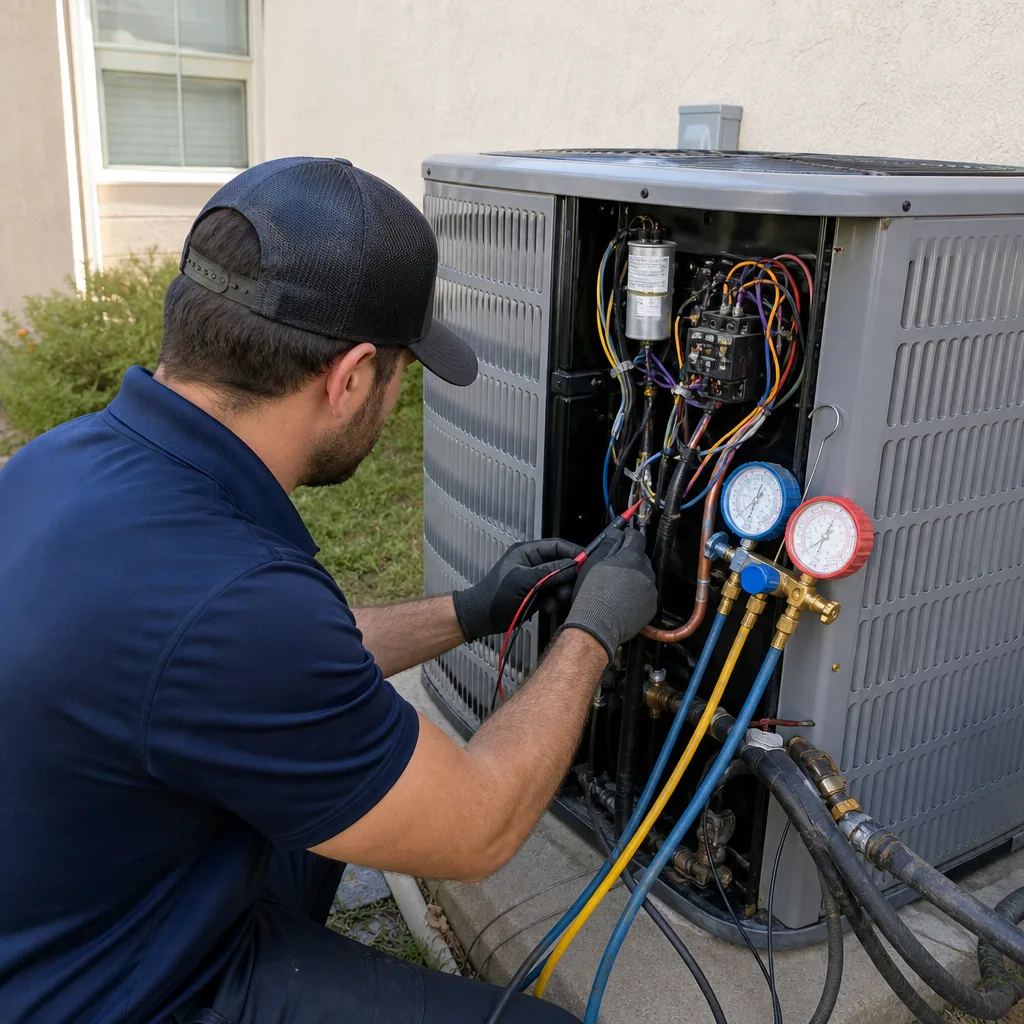
Spring visit (March or April): This is the critical one. Your AC has been resting for a few months. The technicians should clean the condenser coil, check the refrigerant charge, inspect the capacitor, test the contactor, clear the condensate drain line, measure the temperature drop across the evaporator coil, and test the thermostat calibration. The drain line matters more in Orlando than anywhere else. Our humidity means the evaporator produces gallons of condensate every day. A clogged drain line backs up into the house, and we’ve seen it ruin drywall and hardwood flooring in Orlando living rooms.
Fall visit (October or November): This one prepares the system for heating season and addresses any issues found during the brutal summer. The technician checks the heat strips or heat pump reversing valve, tests the defrost cycle, and inspects the electrical connections that have been working hard since May. It’s also the right time to check the ductwork for leaks that drive up both heating and cooling costs.
Maintenance pricing in Orlando runs between $90 and $180 per visit for most companies. Some offer annual maintenance plans that bring the per-visit cost lower, often $140 to $250 per year for two visits. Our maintenance plans include the same written price policy as every job: a written price before any work starts, shoe covers and drop cloths inside the home, and a photo of the clean-up before we leave. That’s part of the Cedarwell Care Promise, and we apply it to maintenance visits, not just big installations.
Two Orlando-specific maintenance notes: first, if you have pets, ask the technician to check the condensate drain more carefully. Pet hair circulates through the return air and ends up in the drain pan, where it combines with algae and creates clogs faster than in pet-free homes. Second, if your home backs up to a retention pond or lake, the outdoor condenser coil needs more frequent cleaning. Algae and organic debris from the water accelerate coil corrosion. Homes in Baldwin Park and Lake Nona with lake views need coil cleanings every 3 to 4 months, not every 6.
Repair or Replace? A Decision Framework for Orlando Homeowners
So your AC died on a Tuesday in August. Every Orlando homeowner faces this moment eventually. The question is whether to pay for the repair or put that money toward a new system. If you’re weighing your options, our DIY vs Professional HVAC: The Orlando Homeowner’s Decision Guide can help clarify when to call in the pros. Here’s the framework we walk customers through.
Rule 1: If the compressor is dead, replace the system. A compressor replacement in Orlando runs $1,800 to $3,500 depending on the brand and capacity. That’s a major investment in a system that still has old coils, old electronics, and old ductwork. If the compressor failed, the rest of the system is not far behind. Put that money toward a new unit.
Rule 2: If the system is over 10 years old and the repair costs more than $1,500, replace it. Orlando’s heat ages equipment fast. A 10-year-old Orlando system is equivalent to a 15-year-old system in a milder climate. Major repairs on a system that age buy you a year or two at most. The math rarely works.
Rule 3: If the system is under 8 years old and the repair is minor, fix it. Capacitors, contactors, fan motors, drain line clogs, and thermostat issues are all repairable at reasonable cost. A $200 to $600 repair on a 6-year-old system almost always makes sense. The system likely has 6 to 9 years of life left.
Rule 4: If the system uses R-22 refrigerant, replace it. R-22, the old Freon, was phased out of new production in 2020. The remaining supply is recycled and expensive. A refrigerant recharge on an R-22 system costs hundreds of dollars now and will only get more expensive. If your system was installed before 2010 and uses R-22, start planning for replacement before it leaks again.
Rule 5: If the system cools but can’t manage humidity, consider replacement even if it “works.” We see this in Orlando constantly. An oversized single-stage system brings the temperature down but leaves the air damp. The house feels uncomfortable, mold grows in bathrooms and closets, and the family runs a dehumidifier year-round. That’s not a repair problem. It’s a sizing problem, and the fix is a properly sized variable-speed replacement.
You don’t have to make this decision alone, and you shouldn’t. Call (850) 845-8659, and we’ll send a technician who will give you a written diagnosis and a written price for the repair before any work starts. If replacement makes more sense, we’ll write up a fixed quote for the new system and walk you through the options. No pressure, no vague promises, just the information you need.
Key Takeaways
- Orlando’s HVAC reality is different: your AC runs 2,800 hours a year and manages humidity as its primary job, not a side effect.
- SEER2 ratings of 16 and above pay back faster in Orlando than almost anywhere in the U.S. because the system runs so much longer.
- Oversizing an AC system in Orlando creates mold, musty air, and high bills. Bigger is not better.
- Permits are required for full system replacements in Orange County. The process takes 2 to 4 weeks, and any contractor who promises same-day replacement is skipping a step.
- Your FPL or Duke Energy bill is a diagnostic tool. Track kilowatt-hours, not dollars, and watch for spring bill spikes.
- Two maintenance visits a year are non-negotiable in Orlando’s climate, and the condensate drain line is the most important thing to keep clear.
Common Mistakes to Avoid
- Sizing the system using a northern rule of thumb. One ton per 500 square feet produces an oversized, short-cycling system in Orlando that leaves your house humid and your electric bill high. Insist on a Manual J calculation.
- Skipping the permit. Unpermitted HVAC work in Orange County complicates home sales and can void insurance claims. A reputable contractor handles the permit and shows it to you before work starts.
- Choosing the lowest SEER2 rating to save money upfront. In Orlando’s runtime environment, the 15 SEER2 minimum costs more over 12 years than a 16 or 17 SEER2 unit. The upfront premium pays back in 7 to 11 years.
- Ignoring the condensate drain line until it overflows. Orlando’s humidity produces gallons of condensate daily. A clogged drain line sends water into your drywall, your floors, and your closets. It’s the most common preventable AC failure we see.
- Replacing a failed compressor on a 12-year-old system. The compressor is the most expensive component. Once it fails, the rest of the system is on borrowed time. Put that $2,500 toward a new unit.
- Waiting for total failure before planning replacement. Orlando’s peak season is May through September, and every AC company is slammed. Planning a replacement in the fall or winter gives you time to choose the right system without emergency pressure.
- Treating all condenser coils the same. Homes near lakes and retention ponds in Orlando see accelerated coil corrosion from organic debris. If you’re near water, ask about coil protection and more frequent cleanings.
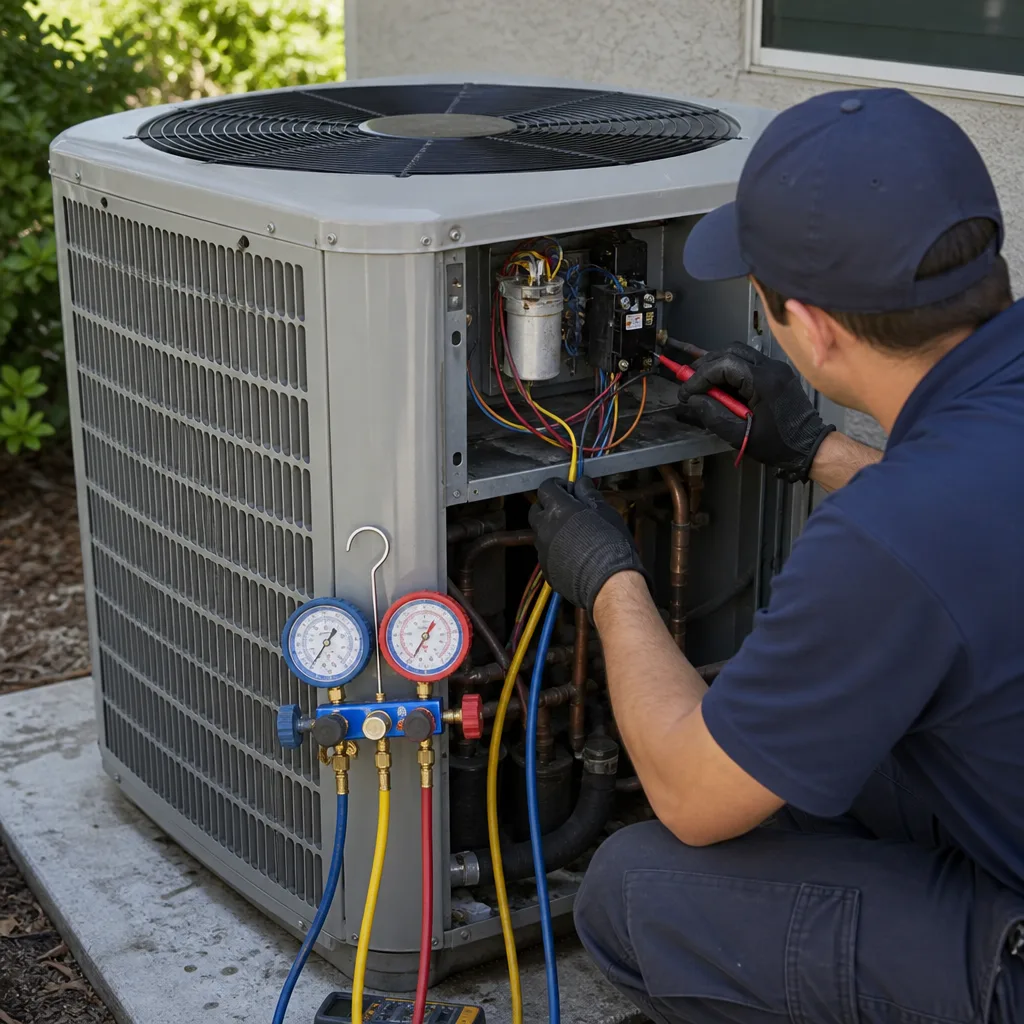
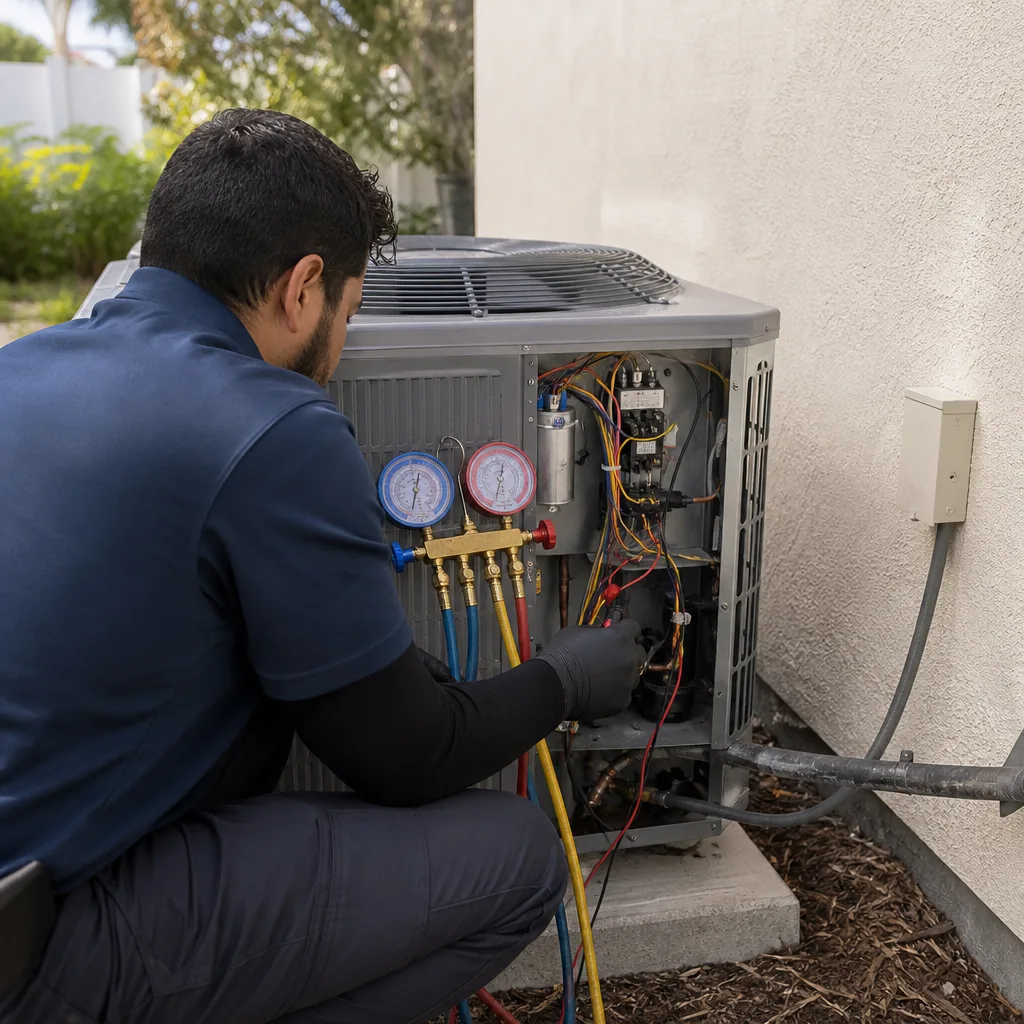
See the difference
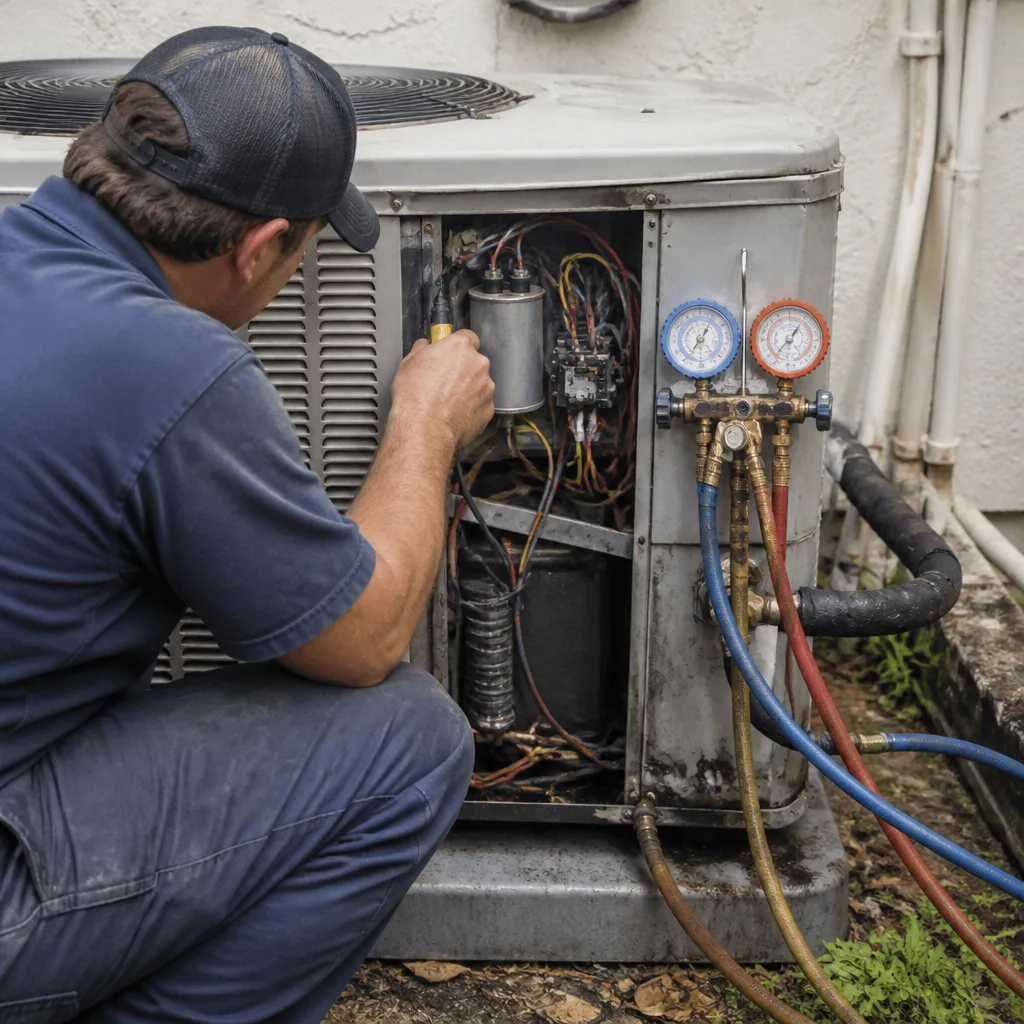 Before
 After
After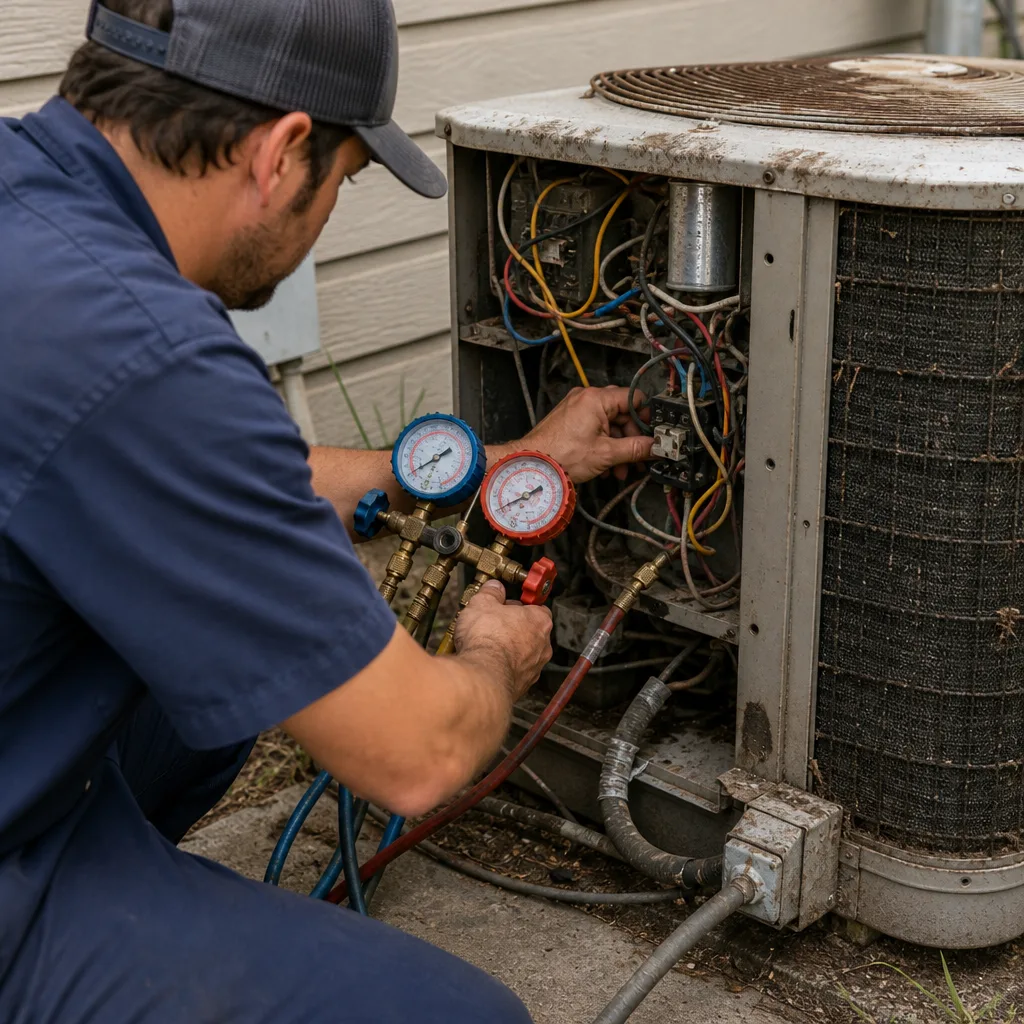 Before
 After
After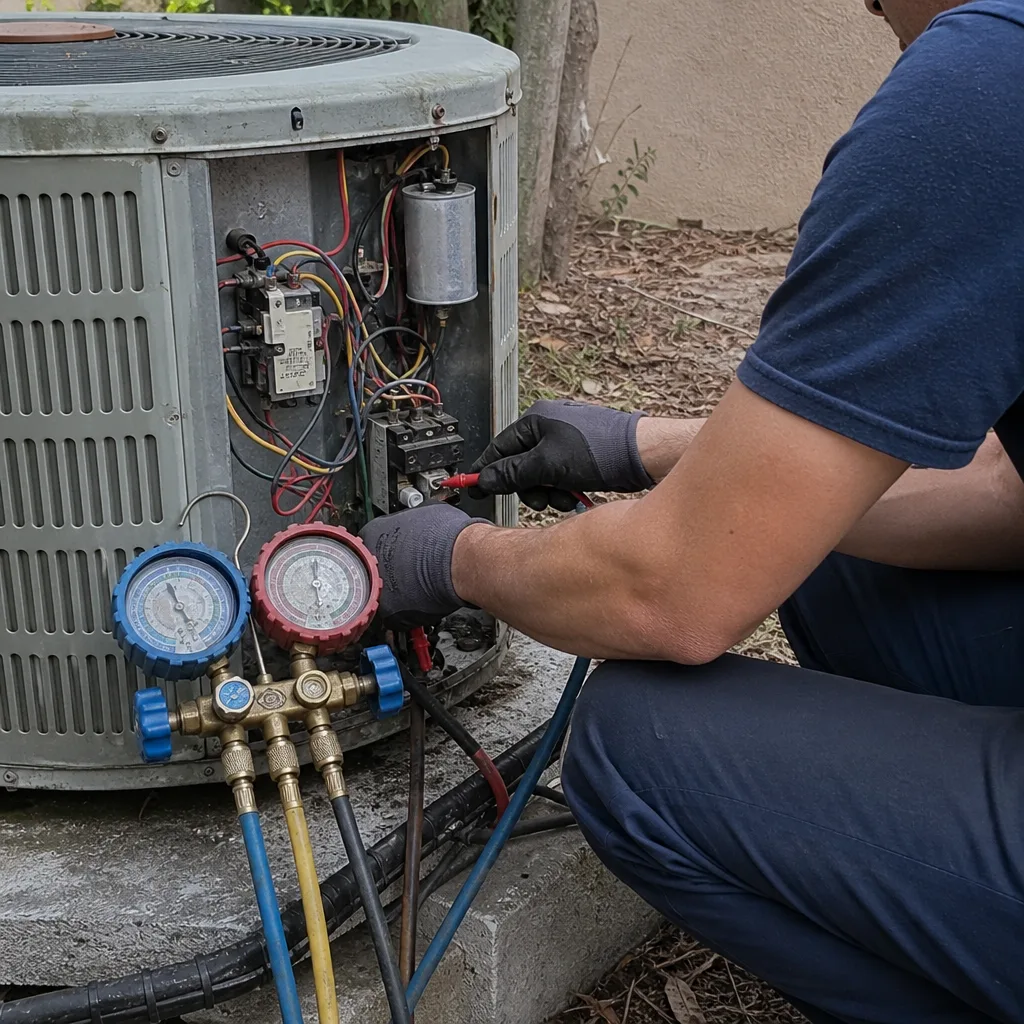 Before
 After
AfterWhen to Call a Professional
Call a professional when your system is short-cycling, when your humidity rises even as the temperature drops, when you smell mildew from the vents, when your electric bill spikes without explanation, or when the system simply won’t start. These are all signs of a problem that won’t fix itself, and in Orlando’s climate, small issues become big ones quickly. Don’t wait until August to deal with a system that was struggling in May. Meadowsweet Heating and Air Orlando offers free estimates in Orlando, and our AC repair team is available around the clock. Call (850) 845-8659. We’ll answer with a live person, not a voicemail queue.
Frequently Asked Questions
An HVAC system in Orlando typically lasts 12 to 15 years, which is 2 to 4 years less than the national average. The shorter lifespan comes from the 2,800 hours of annual runtime and the constant humidity load. Systems that receive two maintenance visits per year and are properly sized for the home tend to reach the upper end of that range. Systems that skip maintenance or are oversized often fail by year 10 or 11.
For a well-insulated Orlando home built in the last 20 years, the correct size is usually 3 to 3.5 tons for 2,000 square feet. For older homes with single-pane windows and less insulation, 3.5 to 4 tons is typically correct. The only way to know for certain is a Manual J load calculation, which accounts for your home’s exact construction, orientation, and Orlando’s specific climate data. Call (850) 845-8659 for a free calculation and written quote.
Your house is humid because your AC is oversized. An oversized system cools the air too quickly and shuts off before it removes enough moisture. The air reaches 72°F but stays at 60% or higher relative humidity. The fix is a properly sized or variable-speed system that runs longer, lower, and slower to pull more water out of the air. A whole-home dehumidifier is another option, but right-sizing the AC usually solves the problem.
Duke Energy and FPL both offer rebates for high-efficiency HVAC equipment, usually $100 to $500 depending on the SEER2 rating and whether the system includes variable-speed components. Federal tax credits under the Inflation Reduction Act can add up to $2,000 for qualifying heat pumps and high-efficiency AC units. Rebate amounts change annually, so call (850) 845-8659 for current details for your specific system and home.
Yes. Heat pumps are increasingly common in Orlando because they handle both cooling and the brief heating season efficiently. A heat pump in Orlando’s climate delivers excellent cooling performance for 9 months of the year and adequate heating for the 2 to 3 months when temperatures dip into the 40s and 50s overnight. For most Orlando homes, a heat pump is the simplest and most efficient choice, and it qualifies for the federal tax credit.
A single HVAC maintenance visit in Orlando typically costs $90 to $180. Annual maintenance plans that include two visits per year, one in spring and one in fall, usually run $140 to $250. Our maintenance visits include the same written-price policy and clean-up standards as every job, including shoe covers, drop cloths, and a photo of the clean-up before we leave. Call (850) 845-8659 for our current maintenance pricing and to schedule.
Why Meadowsweet Heating and Air Is Different
Most HVAC companies stop at fixing the system. We don’t. Every job, from a capacitor replacement to a full system installation, includes the Cedarwell Care Promise: a written price before any work starts, background-checked uniformed technicians, and a 365-Day Done Right Promise that stands behind every job. If it’s not done right, we make it right. No runarounds, no fine print.
Our technicians follow the C.A.R.E. values on every visit: Clean up like it’s their own home, Ask before moving anything, Respect the family’s time and quiet hours, Explain the price before the work. That means shoe covers and drop cloths inside your home, quiet tools during nap or school hours, and a photo of the clean-up sent before the crew leaves. It’s not an upsell. It’s included on every job.
We service all nine leading brands: Carrier, Trane, Lennox, Goodman, Rheem, York, Daikin, Bryant, and American Standard. Our crews are trained on each brand’s specific service requirements, so the system you own gets the attention it was designed for. And whether you need furnace repair in Orlando, AC repair, or a full replacement, a live person answers the phone 24 hours a day, 7 days a week, including nights and weekends.
Meadowsweet Heating and Air is part of the Cedarwell family of HVAC companies, established in 2004. We’re not a franchise. We’re independently owned and operated, led by Luis Serrano, and built around a simple promise: treat the home like it matters, because it does.
The Bottom Line
Orlando’s HVAC decisions come down to three things: correct sizing for our humidity, high enough SEER2 to make the runtime math work, and a contractor who handles the permit, the installation, and the clean-up with equal care. The wrong system in Orlando produces a house that’s cold but clammy, bills that climb every summer, and equipment that fails years early. The right system, properly installed and maintained, runs quietly for 12 to 15 years and keeps your home comfortable through every 95-degree afternoon and every 45-degree January night. Call (850) 845-8659 for a free written estimate, and we’ll help you make the right decision for your home.
Written by Luis Serrano, Owner at Meadowsweet Heating and Air Orlando, serving Orlando since 2004.