
Last updated October 16, 2026
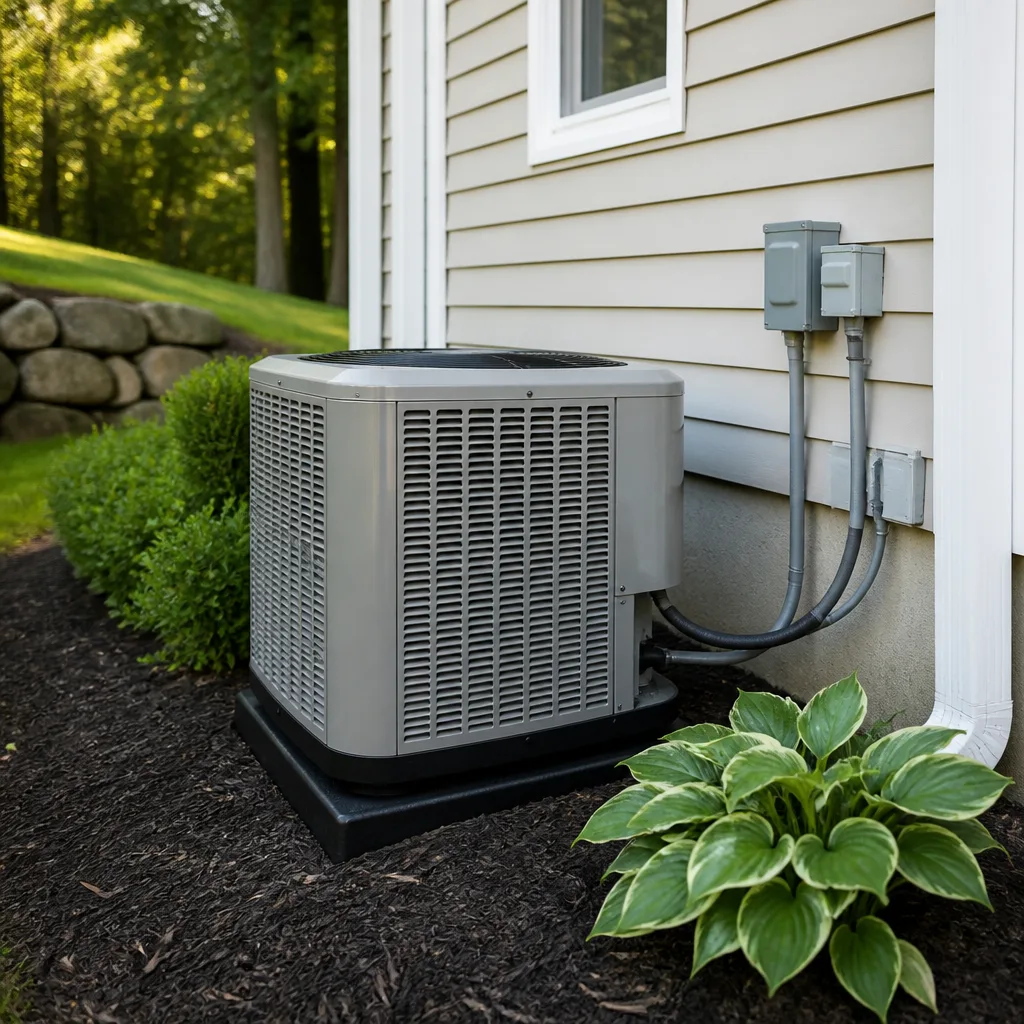 AC repair
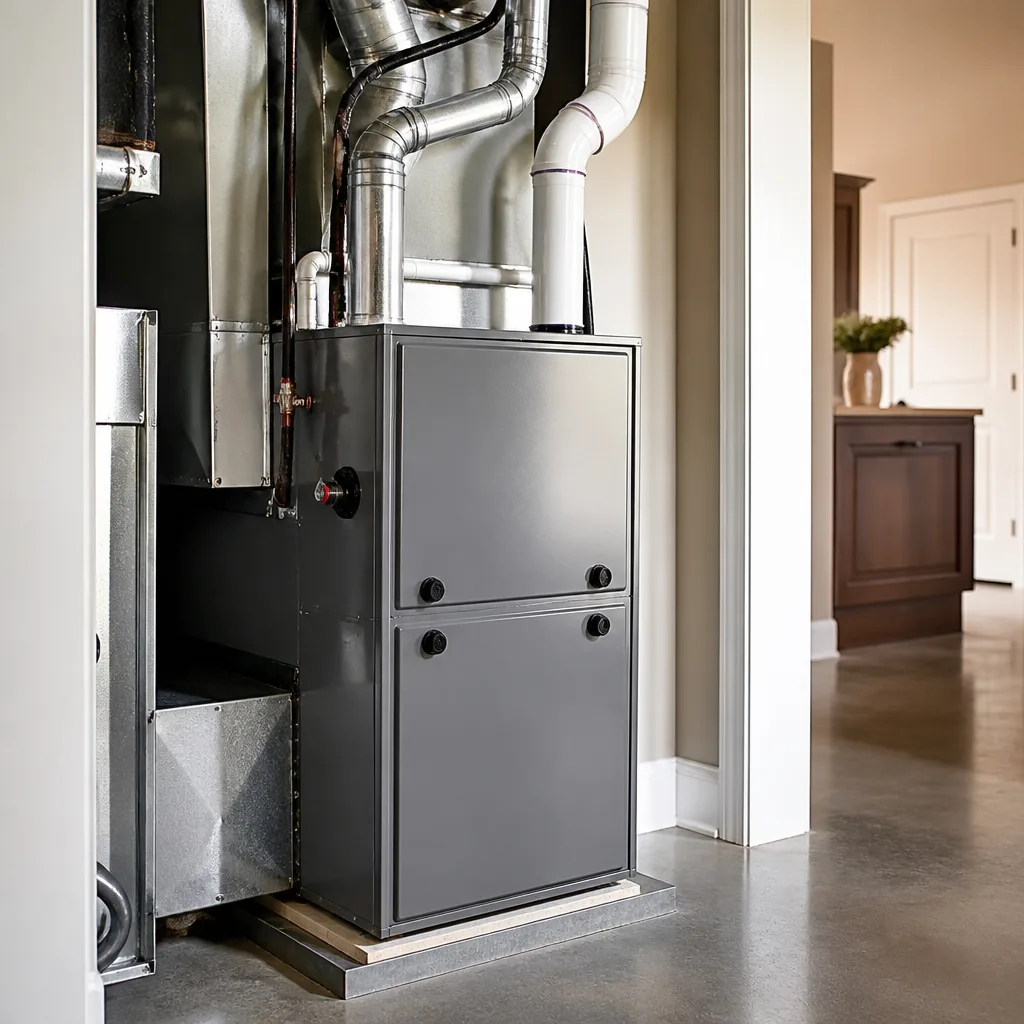 Furnace & heating
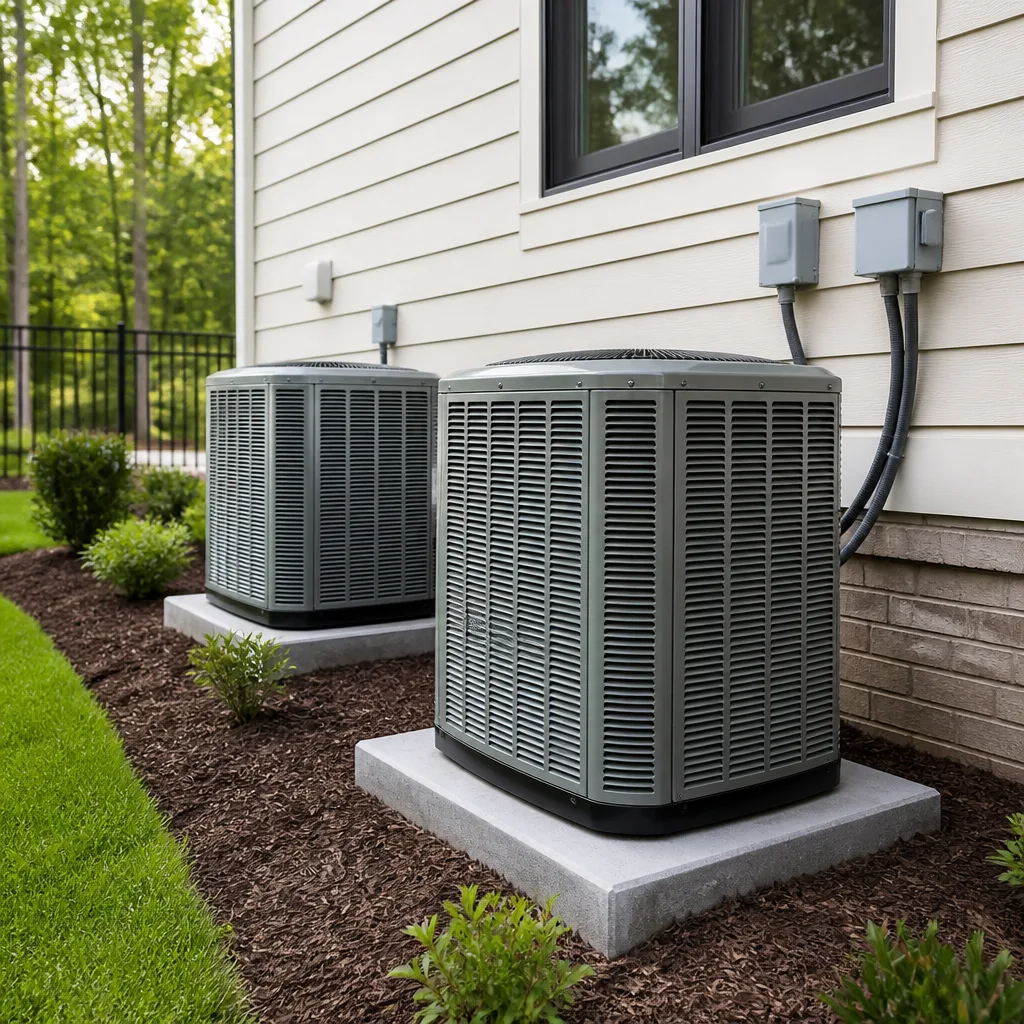 Heat pumps
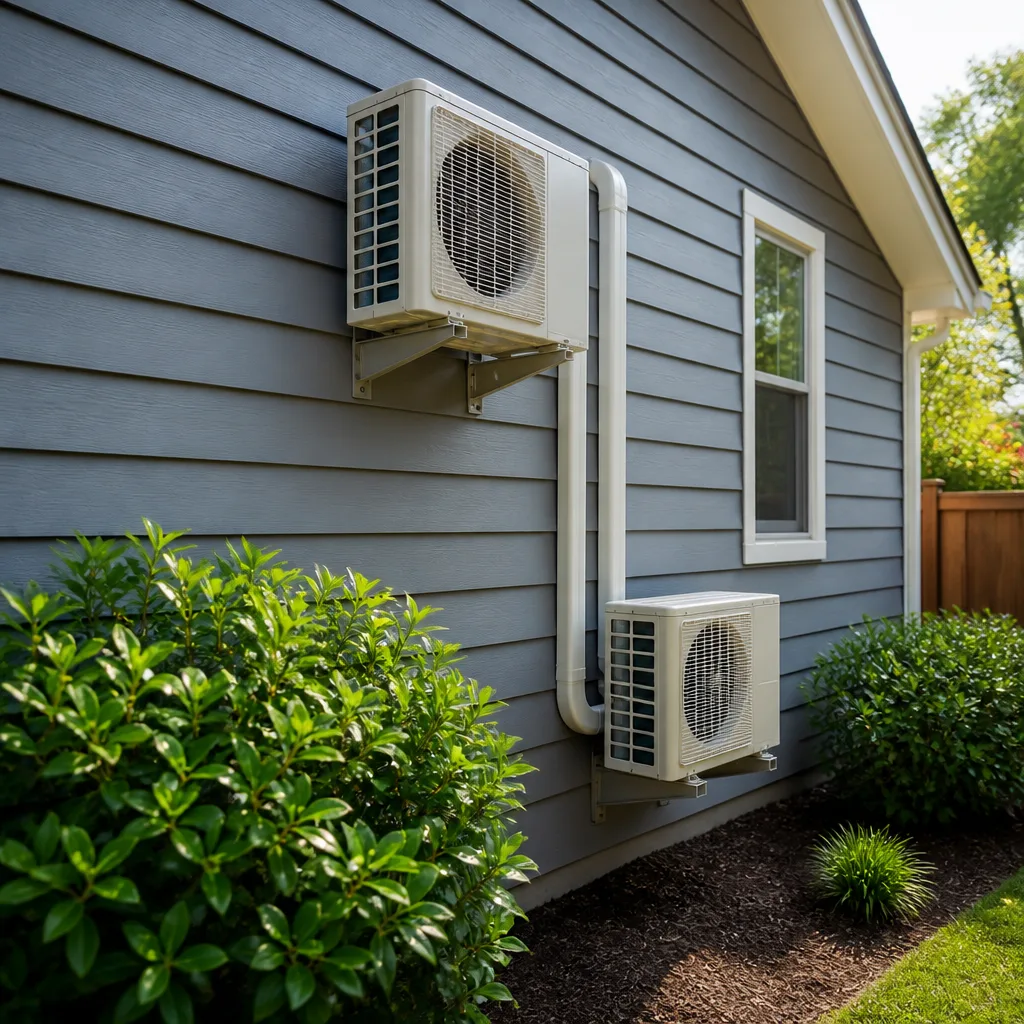 Ductless mini splits
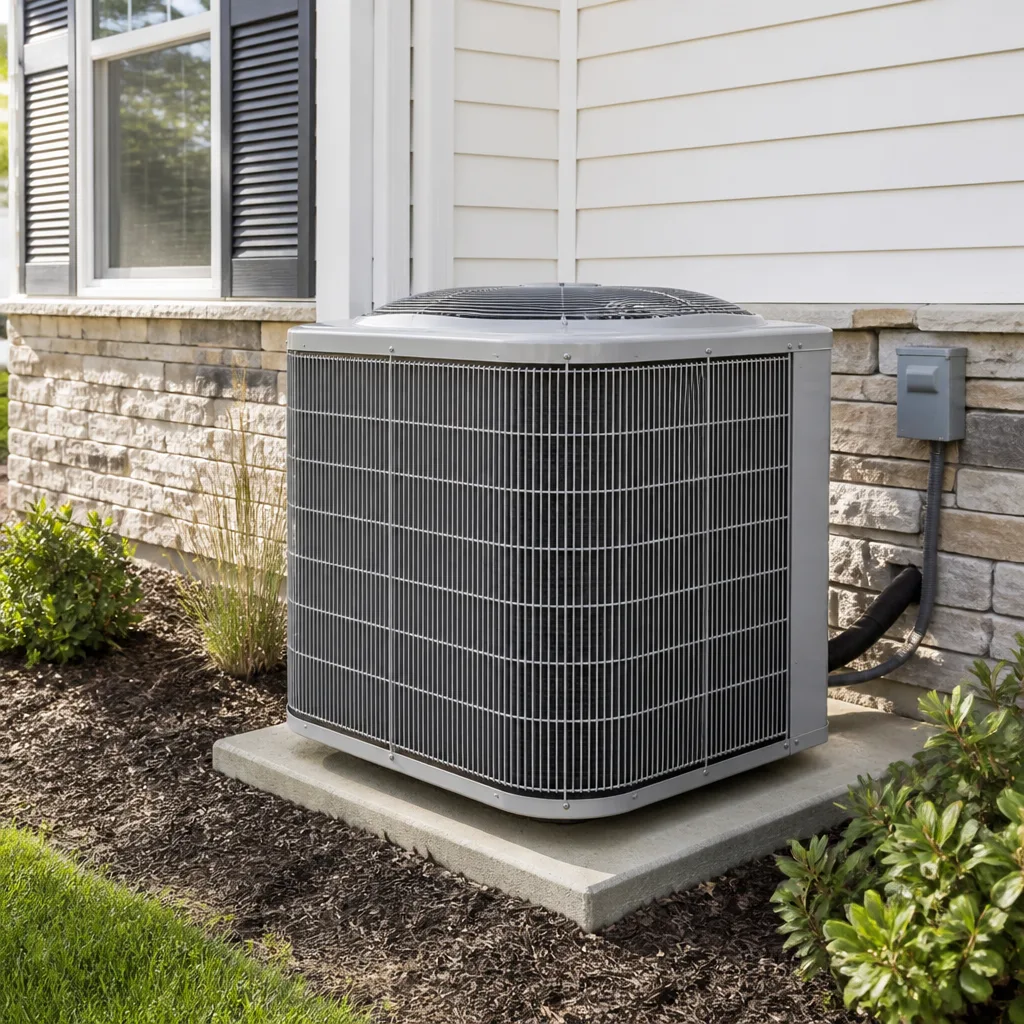 Carrier
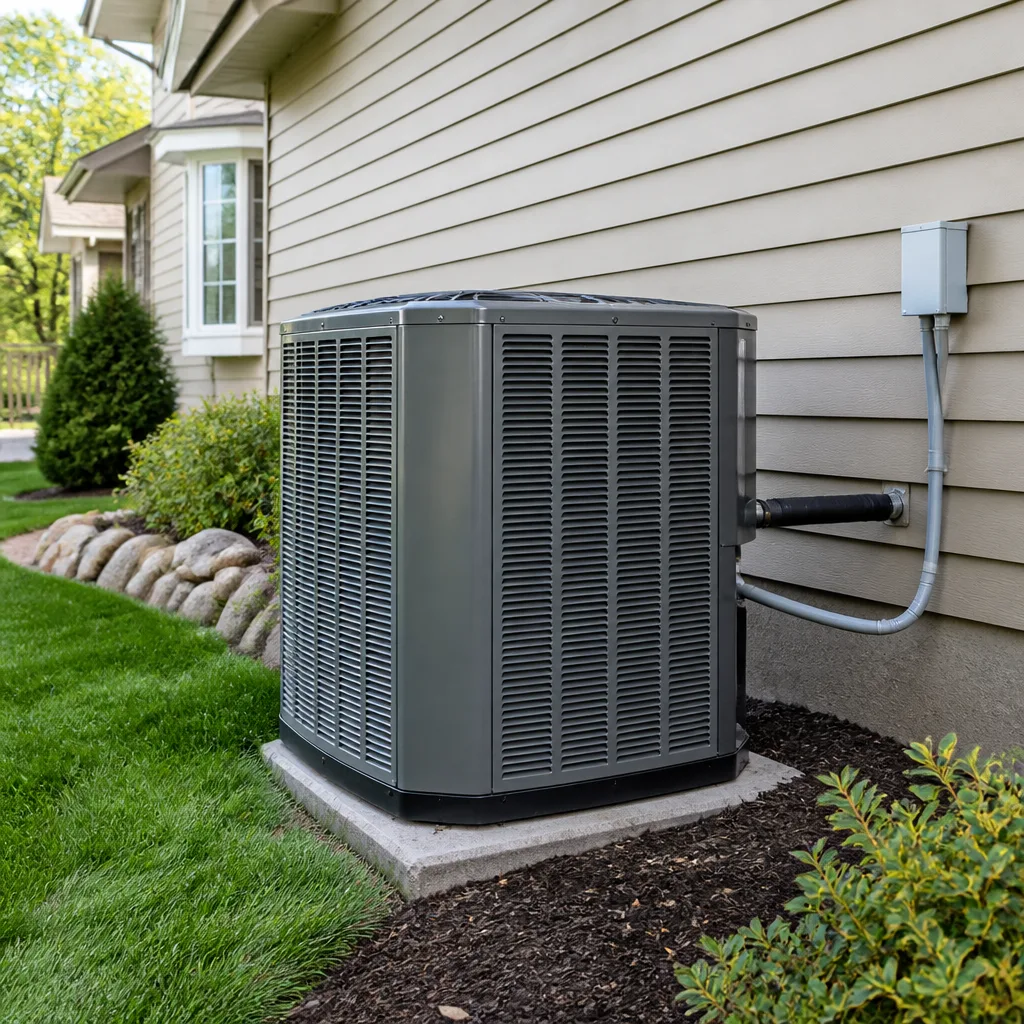 Trane
Trane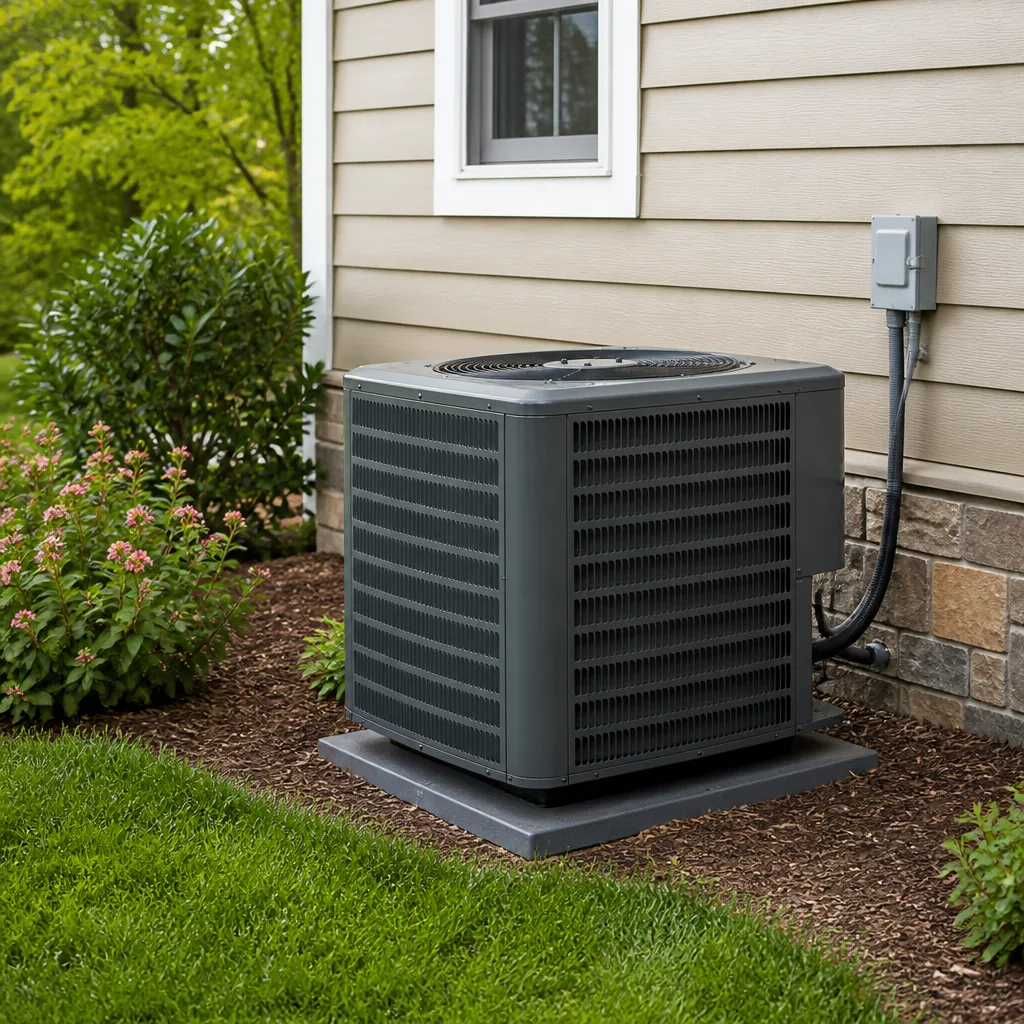 Goodman
Seasonal tune-up and full diagnostic on your Carrier, Trane, or Goodman system - readings shown to you before any repair is proposed
Diagnosis first, numbers second - you approve the repair price before a single part goes in.
Get your free estimateDIY vs Professional HVAC: The Orlando Homeowner’s Decision Guide
Replacing your own air filter is DIY. Touching a refrigerant line without an EPA 608 certification is a federal crime, and in Orlando’s July heat, the line between “I’ll just check the refrigerant” and an illegal act gets crossed more often than HVAC companies publicly discuss. This guide maps the real boundary, task by task, so you know exactly which jobs you can handle with a wet-dry vac and a fin comb, and which ones belong in the hands of a licensed Orlando tech-like the ones you’ll find in our guide on How to Hire a HVAC Contractor in Orlando: A Step-by-Step Guide. You’ll learn what Florida’s humidity does to DIY coil cleaning, which specific warranty clauses void coverage after a well-meaning Saturday project, and what tools are actually worth owning versus which ones cost more than a service call.
Quick Answer
Most Orlando HVAC tasks fall into a clear three-way split: filters, thermostat batteries, condensate line flushes, and outdoor unit clearances are safe and sensible DIY jobs. Capacitor replacement and contactor work are possible for homeowners with electrical training but carry real shock and fire risks. Refrigerant handling, coil cleaning, duct sealing, and any repair on a system under active warranty require a licensed professional, both legally and practically in Florida’s climate. If a task touches refrigerant, electrical components, or the sealed parts of the system, call a professional. If it’s outside the sealed system and your hands are steady, you can often handle it yourself.
Styles & brands we work with
Table of Contents
- The Task-by-Task Matrix: What You Can and Cannot Touch
- Why Orlando Humidity Changes the DIY Rules
- The Warranty Language That Voids Coverage: What DIY Triggers
- Tools Worth Owning vs. Tools That Waste Money
- How Orlando Code and EPA Rules Affect What You Can Legally Do
- Working With a Technician Efficiently: What to Document First
- Common Mistakes to Avoid
- When to Call a Professional
- Frequently Asked Questions
The Task-by-Task Matrix: What You Can and Cannot Touch
The DIY-versus-professional question isn’t one decision. It’s seven or eight separate decisions, each with its own skill requirement, legal status, and failure cost. Here’s the honest breakdown we’ve assembled from years of walking into Orlando homes where a well-intentioned DIY repair either worked perfectly or left behind a repair bill three times what the original fix would have cost-exactly why we built our HVAC Cost Breakdown: The Orlando Homeowner’s Reference for 2026.
1. Air Filter Replacement: DIY, No Exceptions
This is the easiest money you’ll ever save. A pleated MERV 8 filter costs $8 to $15 at any Orlando hardware store and takes ninety seconds to swap. In Florida’s cooling season, which runs roughly from April through October, you should replace the filter every 30 to 60 days, not the 90 days printed on the packaging. Orlando’s humidity loads filters with more biological material than dry-climate filters, which means they clog faster. A clogged filter forces the blower motor to work harder, drives up your Duke Energy bill, and can eventually cause the evaporator coil to freeze. Set a recurring phone reminder. This one task, done consistently, prevents more service calls than any other habit.
2. Condensate Line Clearing: DIY with a Caveat
Your AC produces five to twenty gallons of condensate water per day in Orlando’s humid air. That water drains through a PVC line that can clog with algae and biofilm. You can absolutely clear this yourself. Pour a cup of distilled white vinegar or a condense line tablet into the drain line access point every month during cooling season. If the line is already backed up, a wet-dry vac attached to the line’s outdoor exit point will often clear the clog in under ten minutes. The caveat: if you hear gurgling at the air handler or see water staining around the indoor unit, the clog may be deeper in the line or the drain pan itself may be cracked. At that point you’re into coil housing territory, and a professional should evaluate whether water has already damaged the cabinet or the surrounding drywall.
3. Thermostat Replacement: DIY for Basic Swaps, Professional for Anything Wired
Swapping a basic battery-powered thermostat is a homeowner-level task. If the old thermostat uses two wires and you’re replacing it with a similar two-wire model, you can do this on a Saturday morning. But in many Orlando homes built in the 2000s, thermostats are wired for multi-stage cooling and heat pump operation. Those systems use five, seven, or even nine wires. Mis-wiring a multi-stage thermostat can damage the control board, run the system in the wrong mode, or short a transformer. If your existing thermostat has more than four wires connected, or if you’re installing a smart thermostat on a heat pump system, spend the $150 to $250 for professional installation. It’s cheaper than a control board replacement.
4. Capacitor Replacement: DIY Only With Electrical Training
A capacitor is a cylindrical component inside the outdoor condenser unit that stores electrical charge to start the compressor and fan motor. When it fails, the outside unit hums but doesn’t start, or the fan runs while the compressor doesn’t. Capacitors cost $15 to $40 online. The catch: capacitors hold lethal voltage even after power is disconnected, and they must be discharged properly before handling. Additionally, many Orlando condenser units sit inside tight enclosures where a slip of a screwdriver can bridge two terminals and cause a short. If you have formal electrical training, capacitor replacement is within reach. If you don’t, this is the single most common DIY repair we see fail. The $200 to $350 professional charge includes diagnosis of why the capacitor failed, which matters because a capacitor that fails once often takes a contactor or wiring harness with it.
5. Refrigerant Work: Never DIY, and Here’s the Federal Law
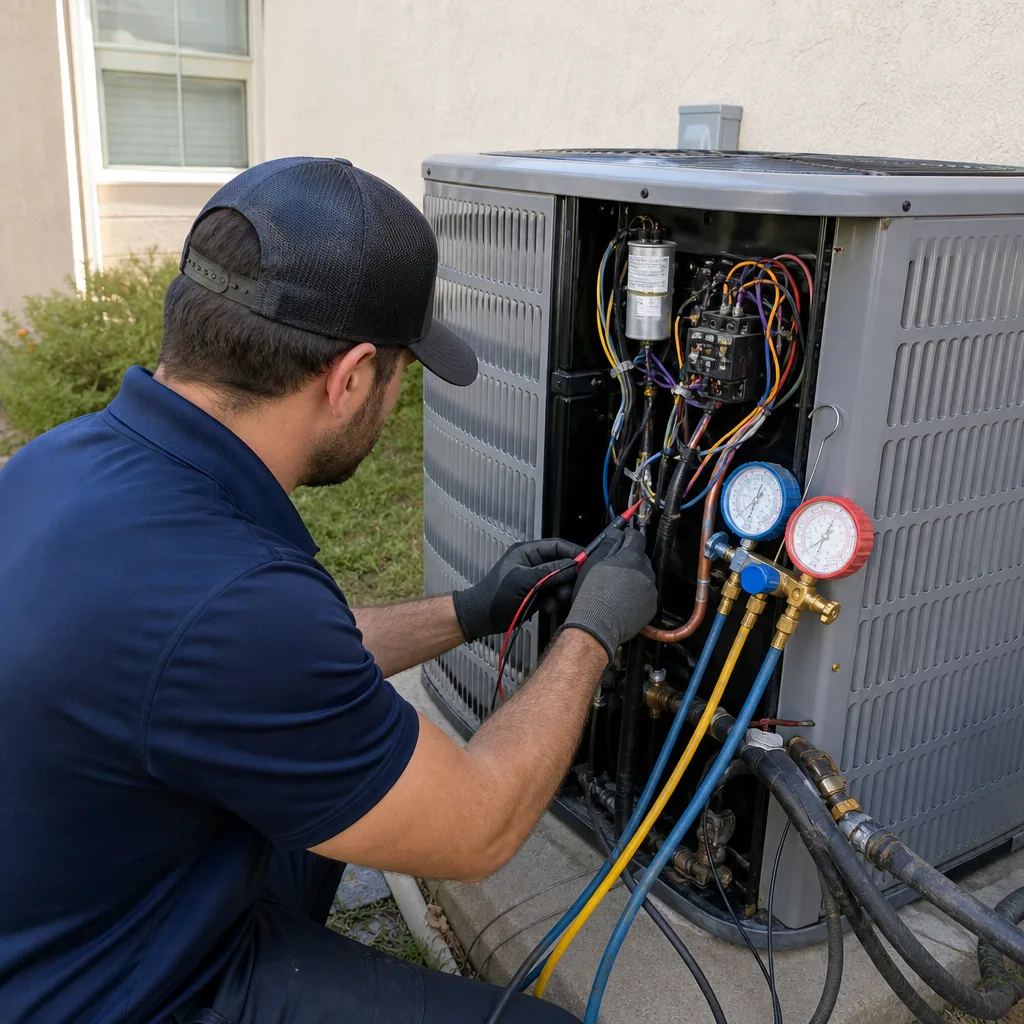
Section 608 of the Clean Air Act makes it a federal crime to add, remove, or handle refrigerant without an EPA 608 certification. The fine is up to $37,500 per day per violation. That’s not an HVAC company’s rule. That’s the Environmental Protection Agency. Beyond the legal issue, refrigerant systems are precisely charged, and an incorrect charge by even a few ounces reduces efficiency and can destroy the compressor. What Orlando homeowners often do instead is buy a can of refrigerant with a gauge from an auto parts store, which is for car AC systems and incompatible with your home’s R-410A or R-454B lines. If you suspect low refrigerant because the system is running but the air isn’t cold, call a licensed tech. There is no legal DIY version of this task.
6. Coil Cleaning: DIY for the Outdoor Unit Only, and Gently
The outdoor condenser coil on your Orlando home takes a beating from pollen, grass clippings, and dust. Keeping it clean matters because a dirty coil raises head pressure and shortens compressor life. You can clean the exterior of the outdoor coil with a garden hose and a gentle spray, after cutting power at the disconnect box. Do not use a pressure washer. Coil fins are thin aluminum that folds over under high pressure, reducing airflow permanently. Do not use coil cleaning chemicals unless you thoroughly rinse them, because residue becomes a corrosive film. The indoor evaporator coil is a different story. It sits in a dark, damp space where Florida mold takes hold fast. Cleaning it requires access to the air handler, specialized tools, and a clear plan for protecting the blower motor from water. That’s a professional job in Orlando, without exception.
7. Duct Sealing: Professional, Non-Negotiable in Florida
Duct sealing seems straightforward: find the leak, tape it, done. Here’s what makes it different in Orlando. Your ductwork runs through the attic, where summer temperatures routinely reach 130°F. Ducts with even a small leak pull hot, humid attic air into the conditioned airstream. That humid air hits the cold coil, condenses, and creates moisture where it doesn’t belong. The result is often mold inside the ducts, crumbling drywall around the registers, and in severe cases ceiling stains that require repainting and drywall repair. The materials matter too. Standard duct tape fails in hot attics within a year. Professional duct sealing uses fiberglass mesh and mastic, which holds for a decade or more. A leaky duct system in an Orlando home typically loses 20 to 30 percent of conditioned air before it reaches the rooms. That’s money leaving through the attic, and the diagnostic tools to find the leaks, like a blower door test or pressure pan testing, are not homeowner equipment.
Why Orlando Humidity Changes the DIY Rules
A homeowner in Denver can clean their evaporator coil, let it air dry, and reassemble the unit without consequence. A homeowner in Orlando does the same job and three weeks later the coil is coated in a pink biofilm that smells like a wet dog and irritates every pair of lungs in the house. Florida’s humidity is the single variable that rewrites the DIY playbook. Here’s exactly what it does.
Orlando’s summer dew point sits in the mid-70s for weeks at a time. That means any surface below about 75 degrees accumulates condensation. Your evaporator coil runs at 40 degrees. Every square inch of that coil is a condensation engine. When you clean the indoor coil yourself and don’t properly treat the drain pan, the cabinet, and the surrounding insulation with the right antimicrobial treatment, the residual moisture becomes a breeding ground for mold within days. The cost of mold remediation in an air handler runs from $400 to $1,500, and that’s before you address any drywall or insulation damage.
The same principle applies to ductwork. Duct leaks in a dry climate waste energy. Duct leaks in Orlando waste energy and feed humid air into places designed to stay dry. That’s how you get condensation on the outside of duct boots, water staining on ceilings, and eventually mold growth inside a sealed duct system. The problem compounds because Orlando’s cooling season is so long. The system runs nearly year-round, so a moisture problem never gets a dry winter to recover. It just feeds itself month after month until the smell or a ceiling stain reveals it, by which point the repair is structural, not mechanical.
One more Florida-specific factor: algae. Condensate drain lines in Orlando grow algae inside them the way a fish tank grows algae on glass. Homeowners who diligently pour vinegar down the line once a month rarely have problems. Homeowners who skip it for a season end up with a clog, and a clogged condensate line in a humid climate backs water up into the air handler pan, which overflows into the emergency pan, which eventually overflows into the ceiling. The repair chain from a $5 bottle of vinegar to a $1,800 ceiling patch is about six months long in Orlando, when a homeowner forgets a simple maintenance habit.
The Warranty Language That Voids Coverage: What DIY Triggers
Most Orlando homeowners have no idea that the warranty on their HVAC equipment is conditional. The manufacturer’s warranty on a new AC installation in Orlando covers parts for 5 to 10 years, sometimes 12 on premium equipment from brands like Carrier, Bryant, or American Standard. But buried in the warranty document is language that voids coverage under specific circumstances, and some of those circumstances are DIY repairs.
Here are the three most common warranty-killing triggers in the fine print:
- Unlicensed work. Most manufacturers state explicitly that the warranty is void if the unit is serviced by anyone other than a licensed HVAC contractor. This is not a suggestion. It’s a contract condition. When a homeowner opens the condenser unit, replaces a capacitor themselves, and the compressor fails six months later, the manufacturer’s claims adjuster will request service records. No records plus evidence of homeowner repair equals denied claim. The cost of a new compressor with installation runs $2,500 to $4,500 in Orlando, and that bill now lands entirely on the homeowner.
- Using non-approved parts. That $18 capacitor from an online marketplace is not the same as the OEM-spec capacitor the manufacturer requires. If the replacement part is outside spec and causes damage to a covered component, the warranty excludes the resulting failure. The same logic applies to contactors, fan motors, and even thermostats in some cases. The warranty covers the system as engineered, not as modified.
- Improper maintenance, documented. This one surprises people. Some warranty claims have been denied because the homeowner could not produce records showing the filter was changed and the system was maintained. Mold growth on a coil after a homeowner attempted a DIY cleaning can trigger this clause. The manufacturer’s position is that improper cleaning methods caused the damage, and maintenance-related failures are excluded.
The honest trade-off for an Orlando homeowner is this: if your system is more than 10 years old and out of warranty, a careful DIY capacitor replacement on your own unit costs you $25 and an afternoon. If your system is 4 years old and still under warranty, that same $25 repair could cost you the remaining 6 years of compressor coverage. Read your warranty document before you open the unit. If you can’t find it, a professional can look up the serial number and tell you exactly what’s covered and what isn’t.
Tools Worth Owning vs. Tools That Waste Money
The internet will sell you $500 worth of HVAC tools and make you believe you’re saving money. Most of those tools will sit in your Orlando garage collecting dust, because the repairs they’re designed for require licenses you don’t have or skills that take years to build. Here’s the honest inventory.
Worth owning:
- Wet-dry vac (5 gallon or larger): $50 – $80. This clears condensate lines, cleans out the drain pan, and pulls debris from around the indoor unit. It’s also useful for a hundred other household tasks, so it’s not really an HVAC expense.
- Fin comb: $12 – $18. Straightens bent condenser coil fins after a hailstorm or a errant lawn mower rock. Ten minutes with a fin comb can restore significant airflow to the outdoor unit, and it’s a tool you’ll use every couple years.
- Condensate tablets or distilled white vinegar: $10 – $15 per season. This is your primary algae prevention tool. A monthly vinegar flush is the single highest-value maintenance habit in an Orlando home.
- Digital thermometer with a probe: $15 – $25. Useful for checking the temperature drop across the system. If the air going into the return is 78°F and the air coming out of the supply register is 58°F or lower, your system is moving heat reasonably well. If the split is less than 15 degrees, something is wrong and a professional should diagnose it.
- Multimeter (for trained homeowners only): $30 – $60. A basic digital multimeter lets you check capacitor microfarad ratings and confirm voltage at the disconnect. But this tool is only safe in the hands of someone who understands circuit theory and de-energization procedures. If you don’t know what Lock Out Tag Out means, don’t buy the multimeter.
Waste of money for most homeowners:
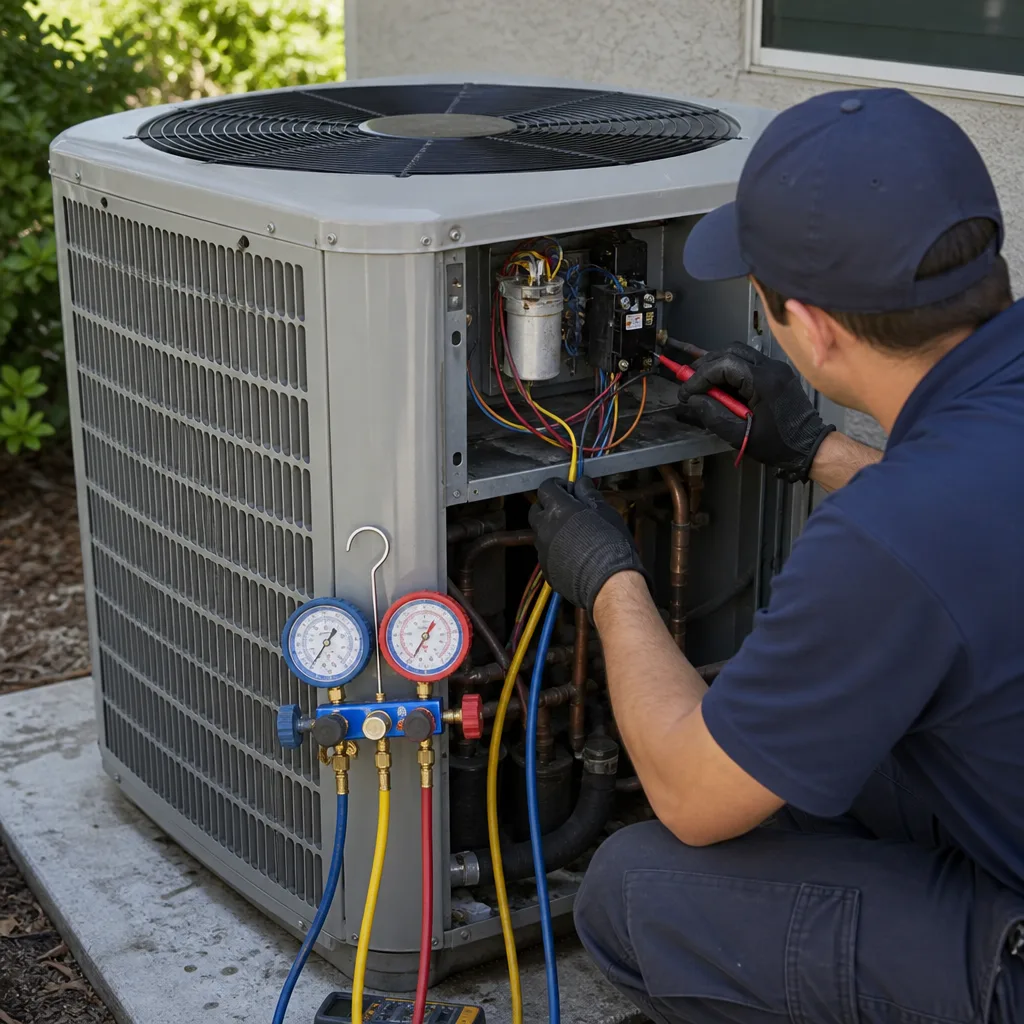
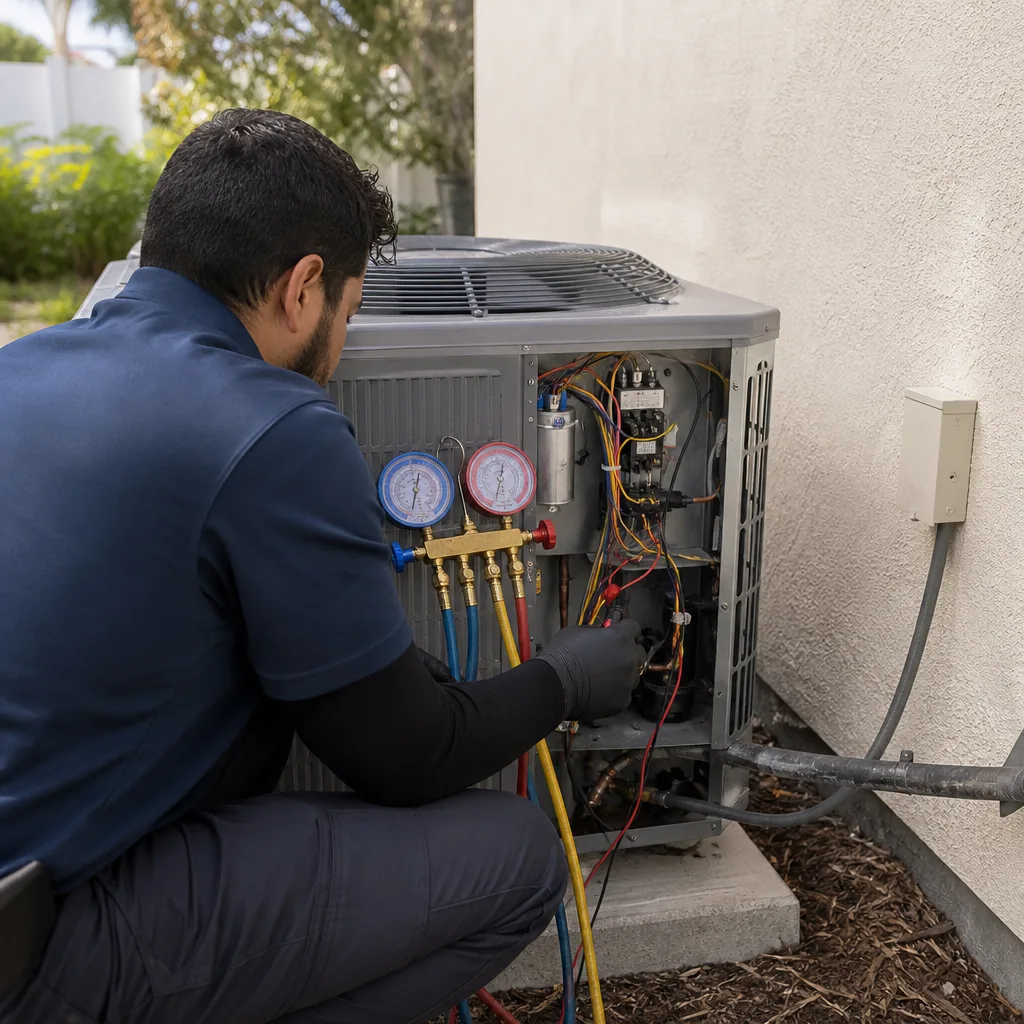
- Refrigerant manifold gauges: $80 – $300. These gauges are useless to you without an EPA 608 certification, and using them without training creates a legal liability. You cannot legally buy or handle refrigerant in the first place, so the gauges are a paperweight.
- Coil cleaning chemicals: $20 – $40 per bottle. The professional-grade coil cleaners require careful application and thorough rinsing. The consumer-grade cleaners often leave residue that accelerates corrosion. A garden hose on the outdoor coil is safer and free.
- Vacuum pump and recovery equipment: $300 – $1,500. This is professional equipment for a professional task. If you ever find yourself needing a vacuum pump, you’ve already gone past the point where a licensed technician should be involved.
- Inspection cameras and bore scopes: $50 – $150. Neat toys, but they won’t meaningfully change what you can fix yourself. The money is better spent on a single professional tune-up.
Your total smart-tool budget is roughly $100 to $170, and most of that is the wet-dry vac you probably already own. Every dollar beyond that is either buying you a professional-grade tool you can’t legally use, or a consumer-grade version of something that doesn’t work as well as the garden hose you already have.
How Orlando Code and EPA Rules Affect What You Can Legally Do
Florida HVAC work is governed by a specific set of state licensing requirements, and Orlando adds city-level permitting rules that most homeowners never see until a problem arises-our HVAC Permits, Codes & Inspections in FL: What You Need to Know covers exactly what those rules mean for you. Understanding the legal landscape protects you from fines and protects your home sale down the road.
In Florida, any contractor performing HVAC work must hold a state license through the Department of Business and Professional Regulation. That license covers the repair and installation of air conditioning, heating, and ventilation systems. What that means for a homeowner is simple: you can work on your own system in your own home, but you cannot perform HVAC work on a neighbor’s system for money without a license. You also cannot legally handle refrigerant in your own home unless you hold an EPA 608 certification, which requires passing an exam offered by an EPA-approved testing organization.
Orlando’s permitting process applies primarily to installation and major replacement work, not to repairs. If you’re replacing an entire system, including the outdoor condenser and the indoor air handler, that job requires a permit pulled by a licensed contractor, and an inspection after the work is complete. A homeowner attempting a full system replacement without a permit creates a problem at sale, because the home inspection will flag unpermitted mechanical work, and the buyer’s lender may require retroactive permitting, which involves an inspection that could fail if the work wasn’t done to code.
There’s also the question of the refrigerant transition. As of 2025, new equipment manufactured in the U.S. uses R-454B or R-32, both classified as mildly flammable, in place of R-410A. This change has implications for homeowners with older systems. R-410A is still available for service, but its price has risen as supplies tighten. That means refrigerant leaks on older Orlando systems are becoming more expensive to repair, which changes the repair-versus-replace math on systems over 12 years old. A homeowner who attempts to handle this situation without a professional can’t legally buy the refrigerant in the first place.
The practical takeaway: the legal line for an Orlando homeowner sits at the disconnect box. Anything on the line-voltage side of the disconnect, anything involving refrigerant, and anything involving ductwork that requires permitting belongs in professional hands. Everything outside the disconnect box, which is the condenser coil fins, the condensate line exit, and the filter slot, is fair game.
Working With a Technician Efficiently: What to Document First
When you do call a professional, the difference between a 45-minute diagnostic and a two-hour diagnostic often comes down to what you document before the truck arrives. Technicians in Orlando run tight schedules during cooling season, and a homeowner who can describe the problem precisely gets a faster, cheaper visit. Here’s what to record.
- Photograph the system data plate. The data plate on the outdoor condenser has the model and serial number, the refrigerant type, the voltage, and the date of manufacture. Snap a clear photo before the tech arrives. This saves ten minutes of hunting and lets the tech pre-order parts if they suspect a common failure on that model.
- Record the symptom timeline. Not just “it’s not cooling.” Write down when it started, what it sounds like, whether the outdoor unit is running when the indoor unit is, whether any breakers tripped, and whether the problem is intermittent or constant. An intermittent problem that resolves itself overnight and returns in the afternoon is a completely different diagnostic path than a system that never starts at all.
- Measure the temperature split. Use that $15 digital thermometer. Record the return air temperature at the filter grille and the supply air temperature at the nearest register. Write down both numbers. A tech who sees a 5-degree split knows within thirty seconds that you have a refrigeration or airflow problem. A tech who has to measure it themselves spends time on something you could have done for free.
- Photograph the filter. Pull the filter, photograph it, write the date on the photo, and note the filter size printed on the frame. A clogged filter is the most common cause of “no cooling” calls in Orlando, and a photo tells the tech whether the issue is as simple as a filter that should have been changed six weeks ago.
- Note any water or ice. If you’ve seen ice on the indoor coil or the copper lines, or water under the air handler, write down when you saw it and where. Ice on the coil points toward airflow problems or refrigerant undercharge. Water under the unit points toward a condensate issue. These observations save diagnostic time substantially.
- Clear the area around the indoor unit. The air handler or furnace sits in a closet, attic, or garage. Move boxes, toys, and anything within three feet of the unit before the tech arrives. This is a respect issue and a time issue. A tech who can access the unit immediately starts diagnosing immediately.
In our experience at Meadowsweet Heating and Air Orlando, a homeowner who has even half of this documented gets a meaningfully shorter visit-and can find more guides & resources on our blog to stay ahead of maintenance. We arrive knowing what we’re looking for, and we can often give you a written price within the first hour, because the diagnostic path is already narrowed. The crew also respects the documentation: it tells us you’ve been paying attention to the house, and it lets us move straight to the repair instead of repeating the basic checks.
Common Mistakes to Avoid
- Icing down the system to “cool it more.” Adding ice or running fans pointed directly at the thermostat doesn’t cool the house faster. It tricks the thermostat into reading a lower temperature, so the system shuts off early, leaving the house humid and uncomfortable. This is a common Orlando summer mistake, and it costs you in higher bills and worse comfort.
- Ignoring a dripping condensate line. A small drip from the secondary drain line means the primary line is already clogged. Waiting to address it in Orlando’s humidity means water backs up into the air handler, then into the emergency pan, then through the ceiling. The fix for a clogged line costs under $200. The fix for a water-damaged ceiling starts at $800 and goes up from there.
- Pressure washing the condenser coil. The fins on your outdoor unit are thinner than a credit card. A pressure washer folds them flat, reducing airflow permanently, and the only repair is a professional rebuild of the coil or a full coil replacement. Use a garden hose with a gentle spray, or don’t clean it at all.
- Buying an AC “recharge kit” from an auto parts store. Car refrigerant is not home refrigerant. The fittings don’t match, the refrigerant type is different, and the pressure readings are meaningless for your home system. Attempting this cross-application can introduce contaminants into a system that never asks for them, creating a repair that costs far more than the recharge kit did.
- Closing vents in unused rooms to save energy. This seems logical but backfires. Closing vents raises static pressure in the duct system, which reduces airflow to the entire house, makes the blower motor work harder, and in Orlando’s humidity can cause condensation on the outside of the closed ducts. The system is sized for a specific airflow, and closing vents fights the engineering.
- Putting off a refrigerant leak check. A system that’s “a little low” in March will be fully ineffective by July. Refrigerant doesn’t get used up; if it’s low, there’s a leak, and the leak gets worse over time. The repair cost of a small leak found early is $300 to $600. The repair cost of a blown compressor after a long-running leak is $2,500 to $4,500. The early call is cheaper.
- Trusting a thermostat that’s reading wrong. A thermostat placed on a wall that gets direct afternoon sun through an Orlando window reads artificially high, so the system runs longer than it should. This costs you money and wears out the equipment. The fix is as simple as a thermostat relocation or a heat shield, but the problem had to be identified first. Document where the thermostat sits before you call for help.
When to Call a Professional
Call a professional the moment any of these things happen: the system trips a breaker more than once, you hear buzzing or grinding from the outdoor unit, you see ice on the refrigerant lines or the indoor coil, you smell burning, the indoor air feels clammy even when the thermostat reads a cool temperature, or you suspect any refrigerant issue, which you can identify by the system running continuously while the air never gets cold. In each of these situations, the problem is inside the sealed system or the electricals, and your continued attempts to fix it will likely make the repair more expensive. AC repair in Orlando is a specific discipline that requires licensed, certified hands. Meadowsweet Heating and Air Orlando offers free estimates in Orlando, and a live person answers the phone 24 hours a day, including nights and weekends, at (850) 845-8659. If you’re not sure whether your issue is DIY-possible, call and describe it. We’ll tell you honestly whether it’s worth paying for the visit or whether you can handle it yourself this weekend.
Frequently Asked Questions
Yes, you can legally work on your own system in your own home in Orlando, with two major exceptions: you cannot handle refrigerant without an EPA 608 certification, and you cannot perform certain installation work without pulling a permit through Orlando’s building department. The legal line sits at the disconnect box. Everything outside it, meaning the outdoor coil fins, the condensate line, and the filter slot, is fair game. Everything inside it, meaning the electricals and the refrigerant circuit, belongs to licensed professionals.
Most common AC repairs in Orlando fall between $200 and $600, including a capacitor replacement, a contactor swap, a condensate line clearing, or a thermostat replacement. More involved repairs like a blower motor replacement or an evaporator coil repair run $800 to $1,800. A full system replacement on a standard Orlando home runs $6,500 to $14,000 depending on the equipment brand, efficiency rating, and ductwork condition. The cheapest repair is the one where the problem is caught early, which is why a maintenance habit matters more than a repair budget.
Replacing the air filter, flushing the condensate line with vinegar, cleaning the outdoor coil with a garden hose, straightening bent coil fins with a fin comb, and checking the temperature split with a digital thermometer are all safe, legal, and genuinely helpful DIY tasks for an Orlando homeowner. These jobs sit outside the electrical and refrigerant systems, require no specialized licensing, and prevent the majority of common failures. Everything beyond this list starts trading safety money for repair money.
Yes, in many cases it does. Most equipment manufacturers, including brands like Carrier, Bryant, Daikin, and American Standard, include language in the warranty document that voids coverage if the unit is serviced by anyone other than a licensed HVAC contractor. Using non-approved parts, damaging components through improper cleaning, or failing to maintain the system with documented filter changes can all trigger a warranty exclusion. If your system is under warranty, a professional service call is cheaper than losing your compressor coverage.
A musty smell from your Orlando AC almost always indicates biological growth on the evaporator coil or inside the drain pan, fed by the constant moisture that Florida’s humidity produces. The fix involves cleaning the coil with an antimicrobial treatment, clearing the drain line, and often treating the air handler cabinet. In a humid climate like Orlando’s, this is a professional task, because improper cleaning leaves behind moisture that restarts the mold cycle within weeks. A homeowner who attempts this with household cleaners usually masks the smell for a week or two while leaving the underlying moisture problem untouched.
No. Full equipment replacement requires a permit in Orlando, a licensed contractor to pull that permit, an EPA-certified technician to handle the refrigerant, and a post-installation inspection. A homeowner who installs their own system creates a permitting problem, a warranty problem, a code compliance risk, and an insurance liability. This is not a matter of skill. It’s a matter of furnace and heating system repair and installation law, which in Florida is a state-licensed trade. The cost of the professional installation includes the permit, the inspection, the warranty registration, and the legal responsibility for the work.
The Bottom Line
The DIY-versus-professional line in Orlando is drawn by three forces: federal refrigerant law, manufacturer warranty language, and Florida’s unrelenting humidity. Safe DIY territory includes air filters, condensate line flushes, outdoor coil cleaning with a gentle hose, fin straightening, and basic temperature checks. Those five tasks, done consistently, prevent more system failures than any repair skill you could learn. Professional territory includes anything involving refrigerant, electrical components inside the disconnect box, indoor coil cleaning, duct sealing, and all full-system work. The tools you actually need to own cost about $100. Everything beyond that is either illegal for you to use or a waste of money that would be better spent on a professional visit to a company like Meadowsweet Heating and Air Orlando home, where the work is backed by a real guarantee and the crew treats your home like a home.
Written by Luis Serrano, Owner at Meadowsweet Heating and Air Orlando, serving Orlando since 2004.
See the difference
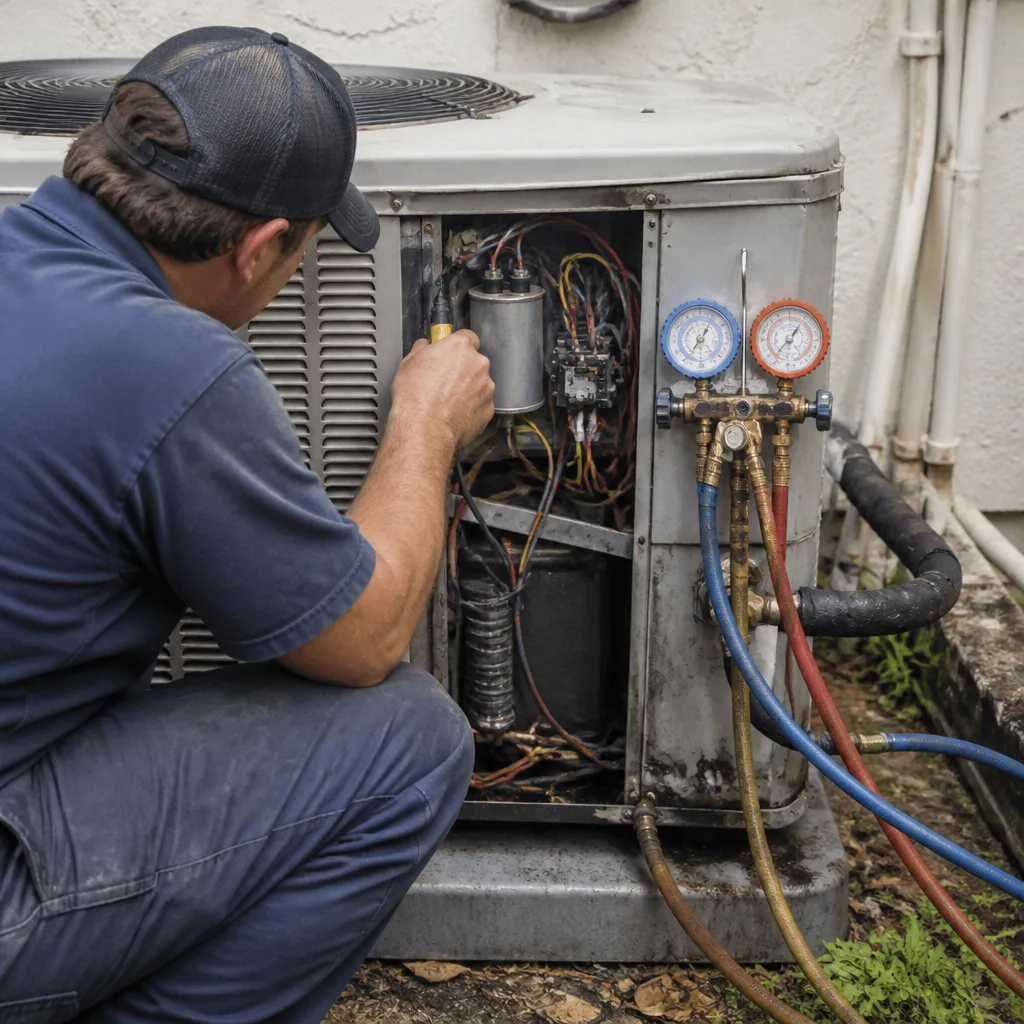 Before
 After
After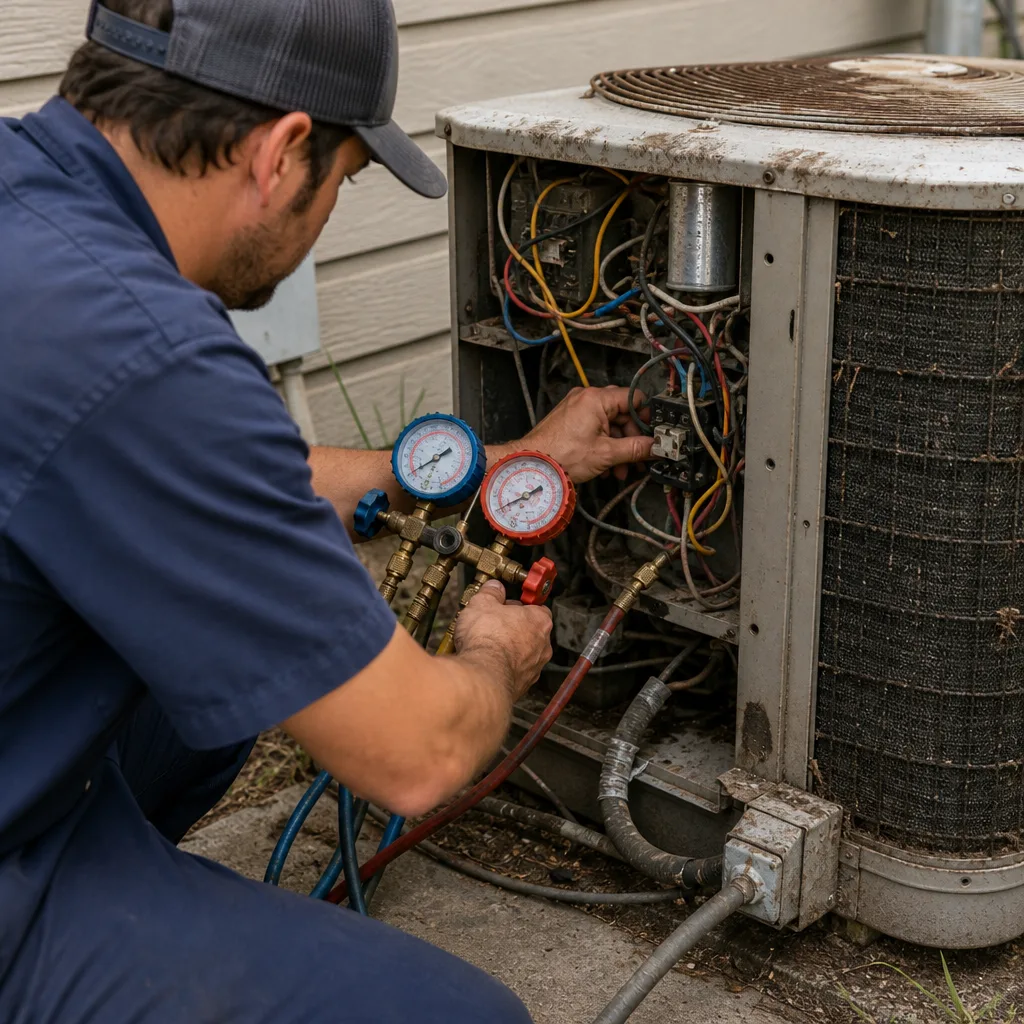 Before
 After
After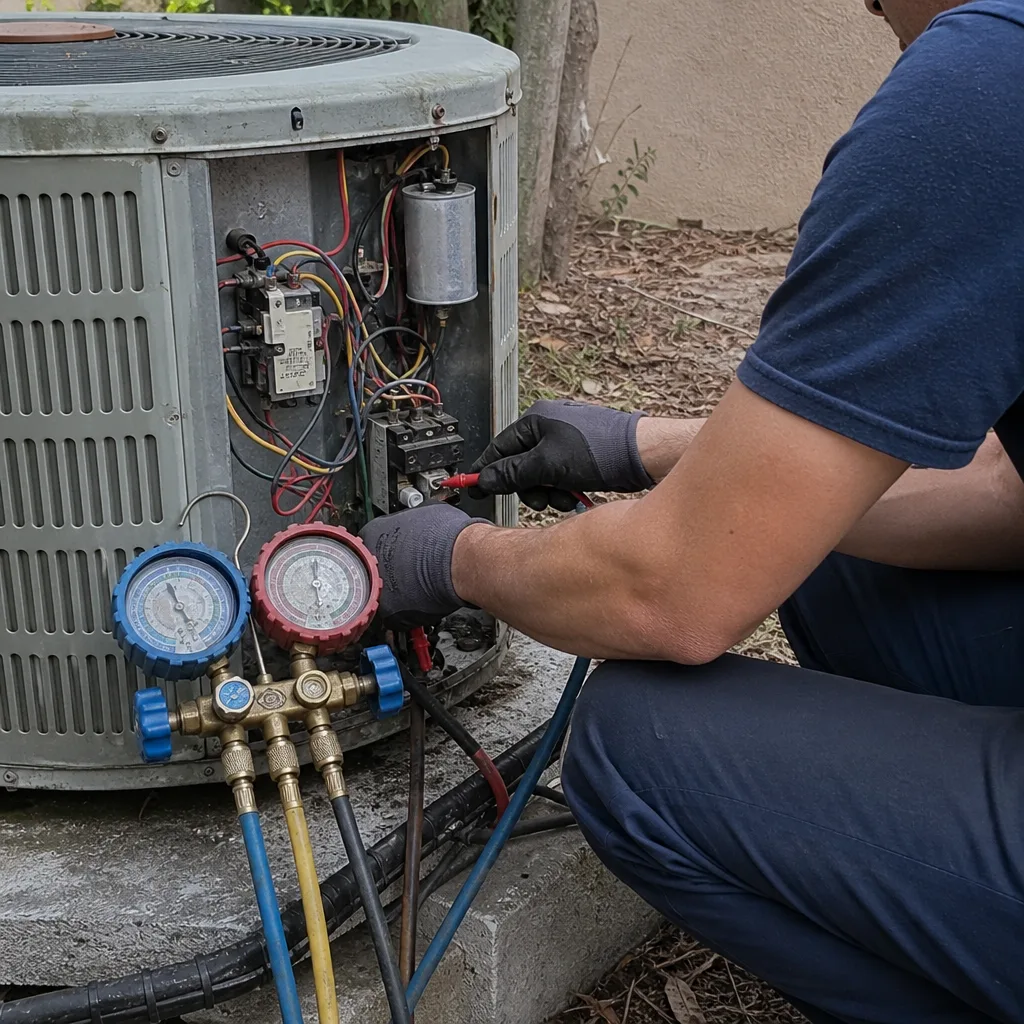 Before
 After
After