
Last updated October 16, 2026
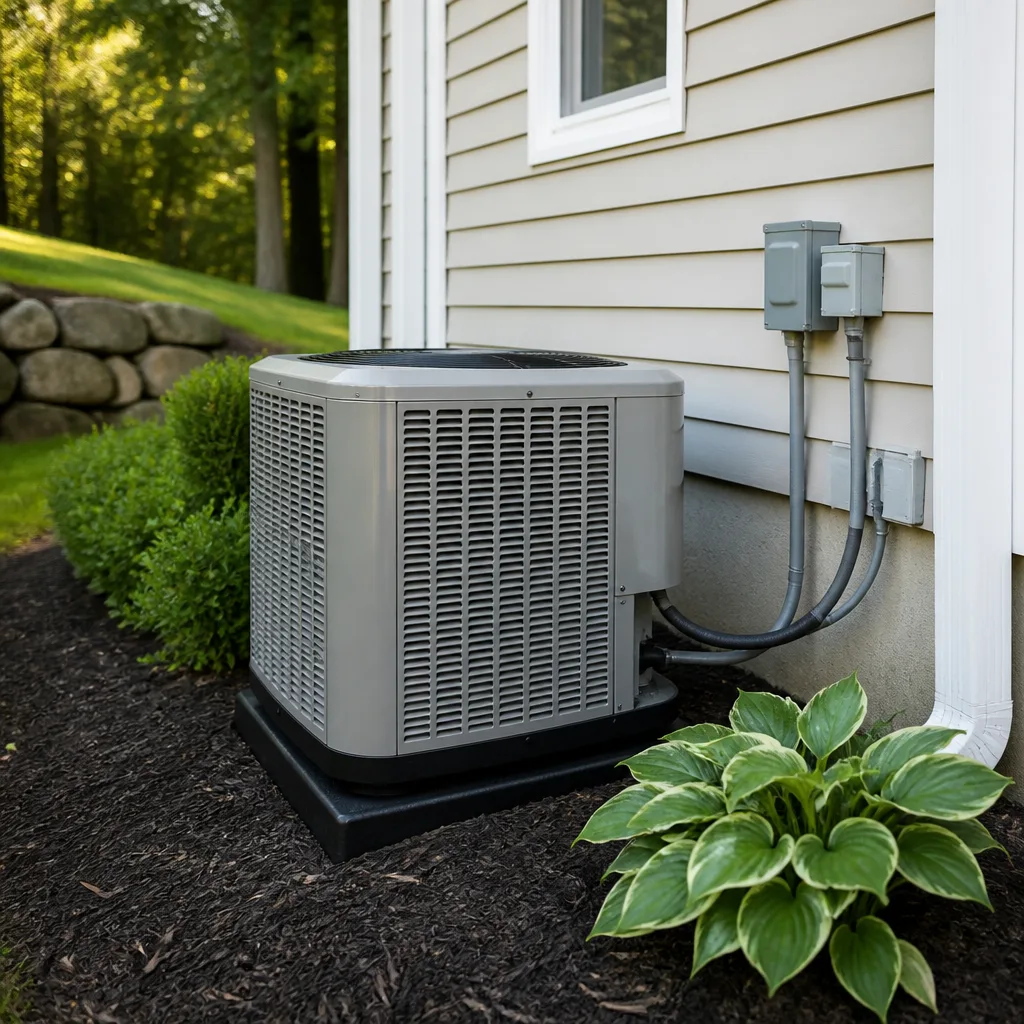 AC repair
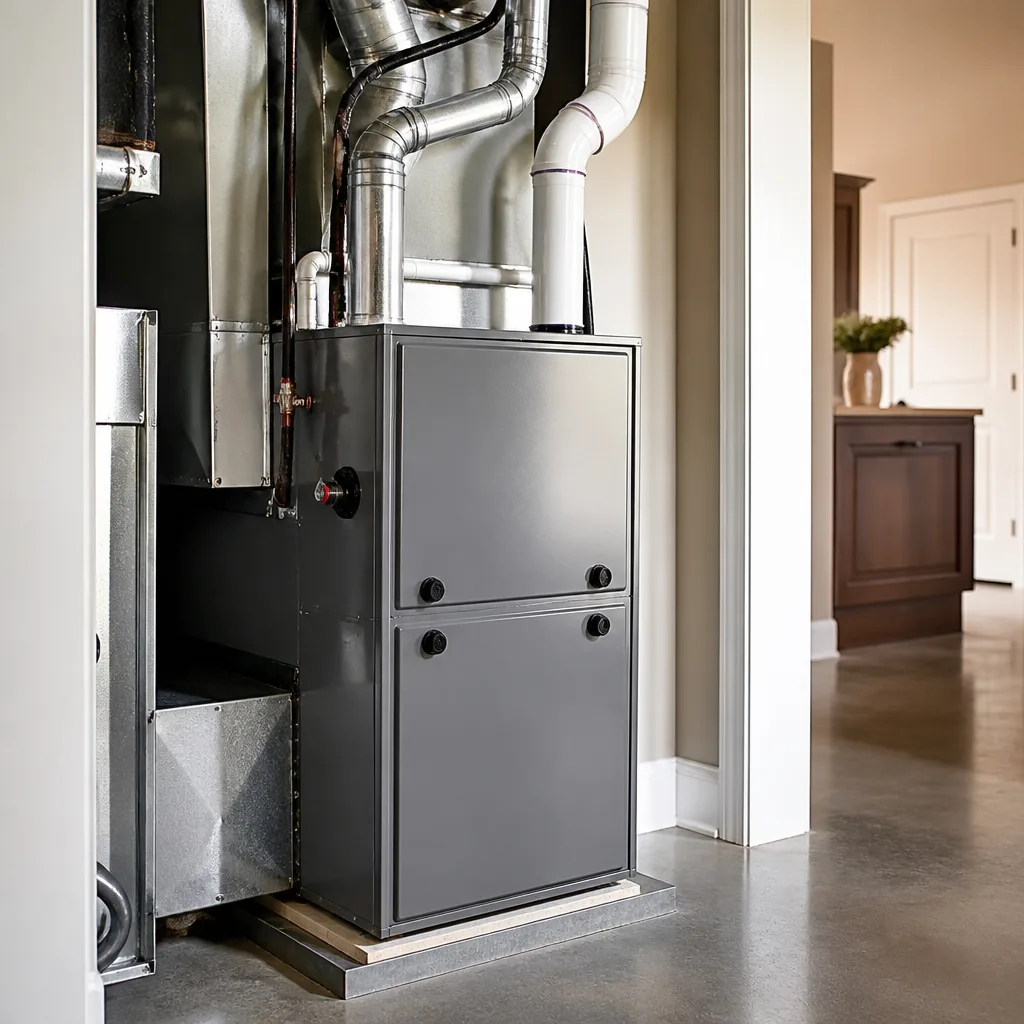 Furnace & heating
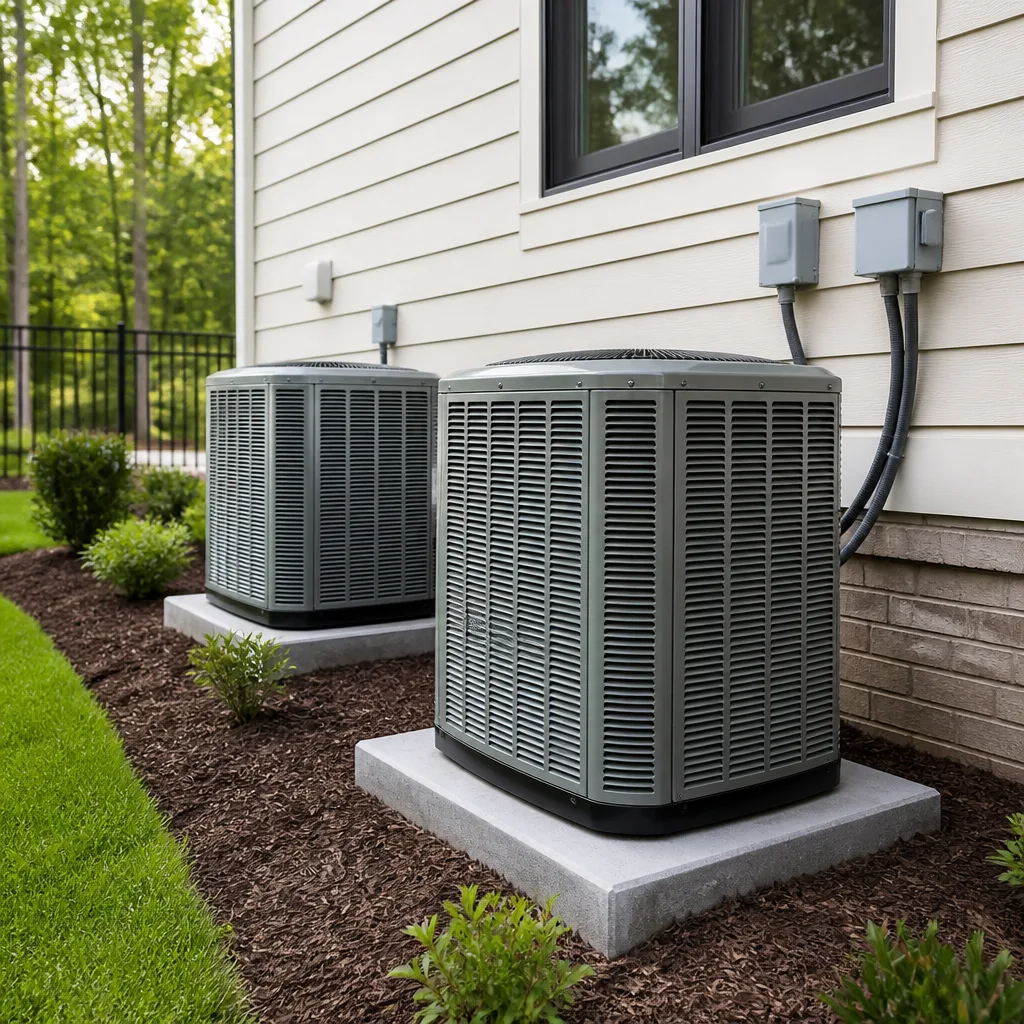 Heat pumps
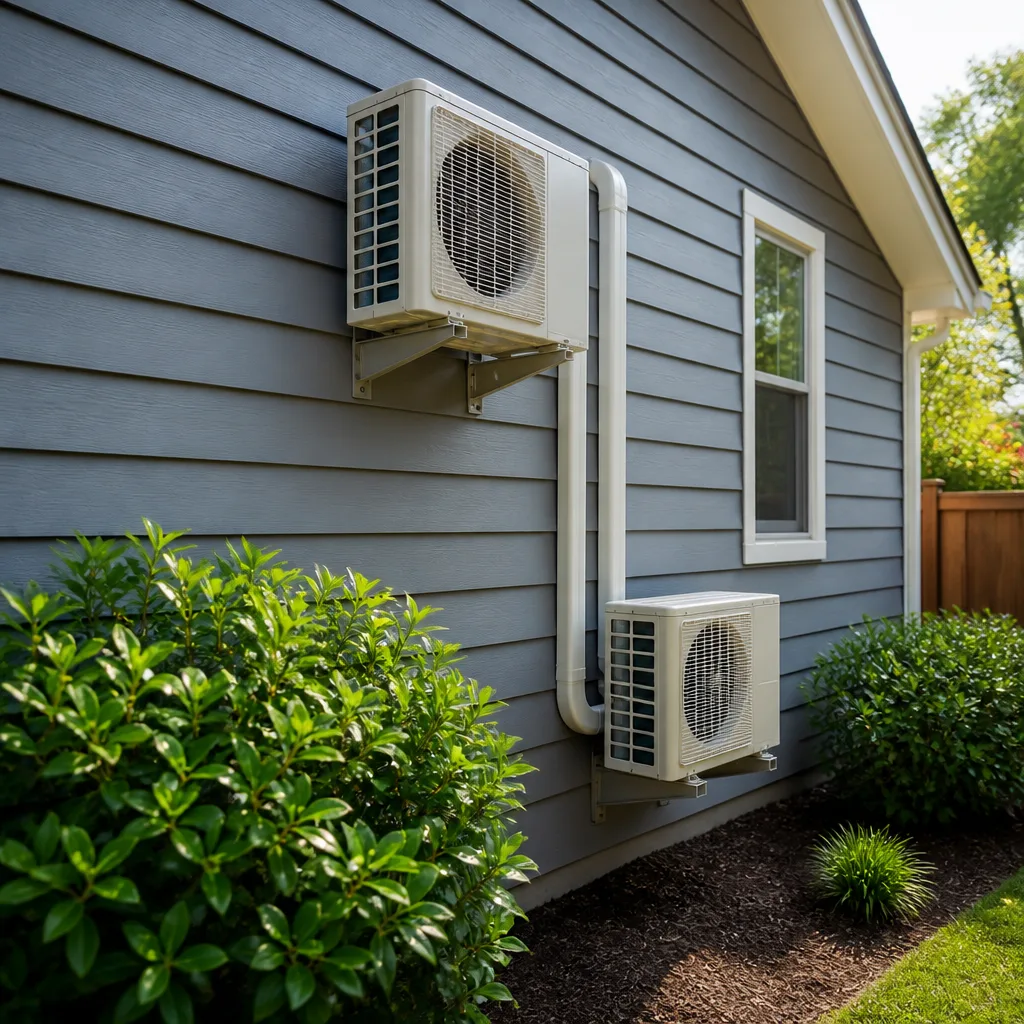 Ductless mini splits
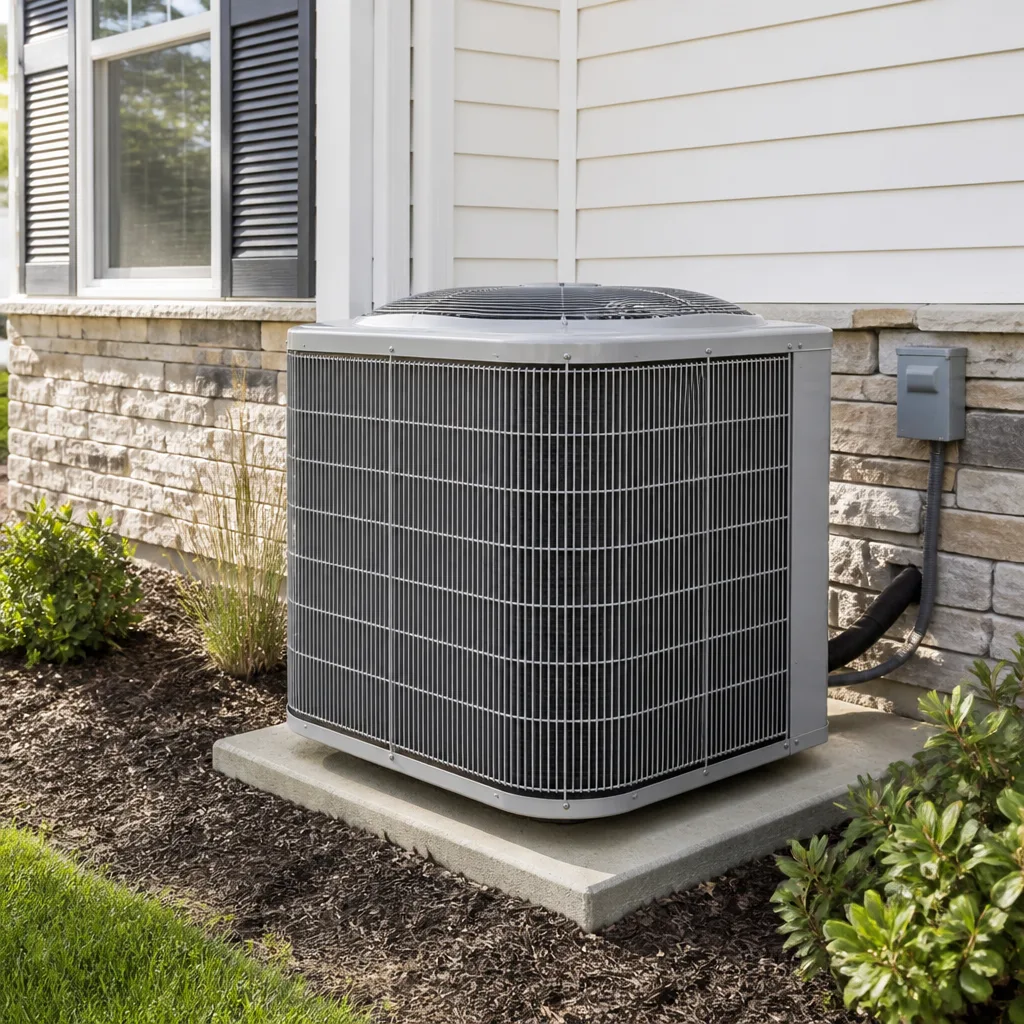 Carrier
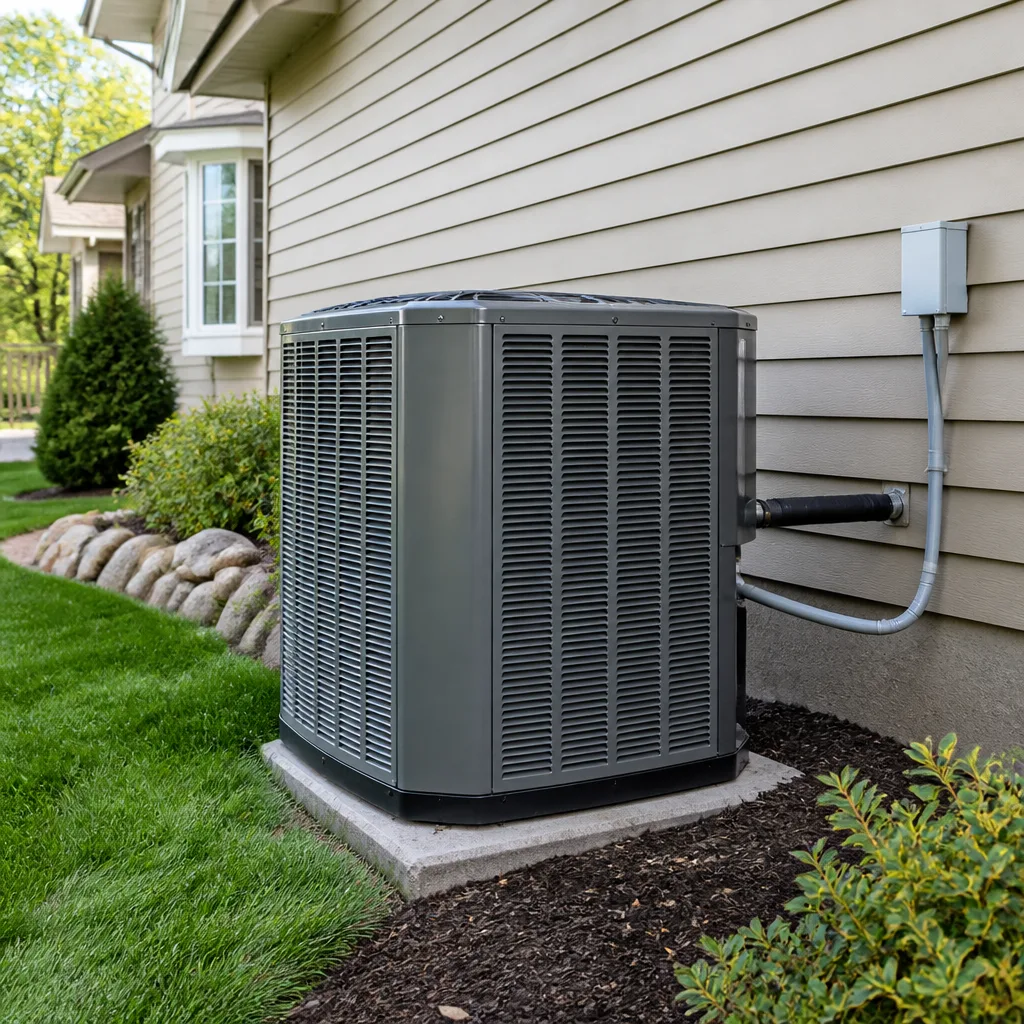 Trane
Trane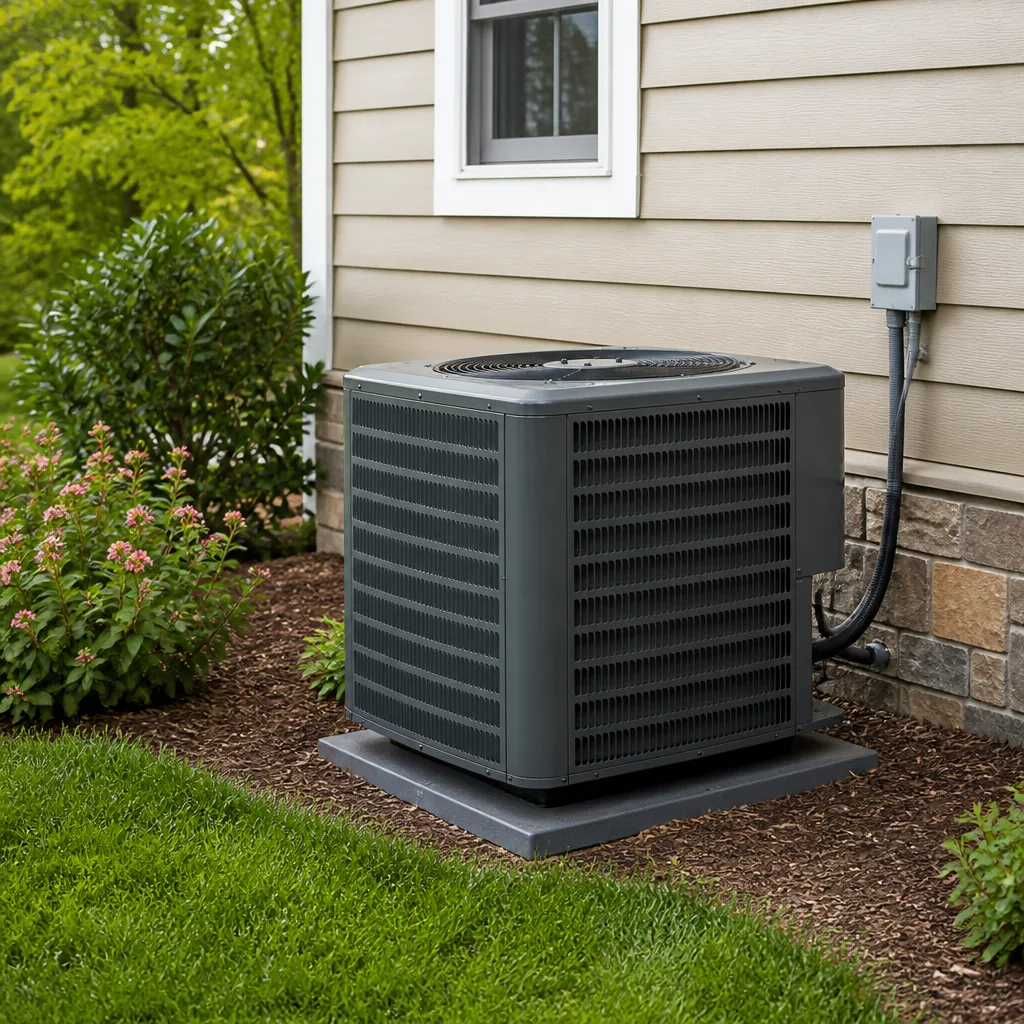 Goodman
Seasonal tune-up and full diagnostic on your Carrier, Trane, or Goodman system - readings shown to you before any repair is proposed
Diagnosis first, numbers second - you approve the repair price before a single part goes in.
Get your free estimateAC Repair Maintenance Checklist for Orlando Homeowners
A clogged condensate drain line causes more Orlando AC shutdowns each summer than any other single failure point, and it takes under five minutes to clear with a wet-dry vac. Most homeowners discover this for the first time while standing in a puddle near their air handler at 8 p.m. on a Saturday. This guide is not a generic 12-point list that would work just as well in Phoenix or Denver. It is built around the two local conditions responsible for the large majority of Central Florida cooling failures: extreme condensate volume and aggressive biological growth inside drain lines. By the end, you will know exactly what to check each month, which tasks genuinely prevent breakdowns in Orlando’s climate, and when a professional AC Repair service is the safer call.
Styles & brands we work with
Quick Answer
A practical AC maintenance checklist for Orlando homeowners centers on five recurring tasks: cleaning or replacing the air filter every 30 to 60 days, flushing the condensate drain line monthly during summer, keeping the outdoor condenser coil clear of leaves and lawn debris, checking the evaporator coil for dust buildup every spring, and having a professional inspect refrigerant levels and electrical connections once a year before June. In Orlando’s heat and humidity, drain line and coil maintenance matter more than any other DIY task because biological growth in standing water is what shuts systems down. Skipping these specific Florida-focused steps is the most common reason a home loses cooling on a 94-degree afternoon.
Table of Contents
- Why Orlando’s Climate Demands a Different Checklist
- The Month-by-Month Orlando AC Maintenance Calendar
- Condensate Drain Line Care: The Task Most Checklists Get Wrong
- The Filter MERV Sweet Spot for Orlando Homes with Pets and Allergies
- Evaporator Coil Cleaning: When DIY Makes Sense and When It Doesn’t
- Checking Refrigerant Health Without Gauges
- Common Mistakes to Avoid
- When to Call a Professional
- Frequently Asked Questions
- The Bottom Line
Why Orlando’s Climate Demands a Different Checklist
Orlando’s cooling season runs roughly from March through November, which means your air conditioner works harder and longer than systems in most of the country. What actually kills AC units here is not runtime alone. It is the combination of 70-plus percent outdoor humidity and interior surfaces that stay wet for months. When humid air passes over a cold evaporator coil, water condenses out of it continuously. In a typical Orlando summer day, a three-ton system can pull four to eight gallons of water out of the indoor air. All of that water has to leave the house through a three-quarter-inch PVC pipe, and that pipe is dark, wet, and warm every single day from May through October. Algae, mold, and biofilm love that environment more than any other part of your AC system.
This is why a checklist copied from a national website often misses the point. A homeowner in a dry climate never thinks about a condensate line because their system produces very little water. A homeowner here who ignores that line for a single summer is likely to face a ceiling stain, a soaked closet floor, or a system that trips a float switch and refuses to run. Kevin, one of our senior technicians who has worked on hundreds of Orlando homes since before the Cedarwell family launched Meadowsweet, puts it simply: most August service calls start with a drain line that was last looked at in April. The good news is that the highest-impact maintenance task in Orlando is also one of the simplest. We will walk through it step by step below.
The Month-by-Month Orlando AC Maintenance Calendar
Orlando does not have four seasons the way a northern city does. It has a long hot-wet season, a brief mild-dry season, and a handful of transition weeks in between. Your maintenance calendar should follow that rhythm. Here is the month-by-month plan adapted to what our technicians see across the city, from College Park to Conway to Winter Park. For a deeper dive into regional considerations, see The Complete Guide to HVAC in Orlando.
January and February
These are the coolest months, but your AC still runs on warm afternoons. The main task is filter maintenance and a quick visual inspection. Replace the air filter if it is dirty, or at least mark the calendar for a 60-day reminder. Walk around the outdoor condenser and remove any leaves, mulch, or debris within two feet of the unit. Check that the drain line from the indoor unit is still pitched slightly downward and is not sagging or kinked.
March and April
This is the prep window before the real humidity arrives. March is the right time to do a full condensate drain flush with a diluted cleaning solution (ratios below). April is when we recommend a professional tune-up, before the summer rush makes scheduling harder. If your filter is a one-inch disposable, replace it again in April even if it does not look terrible. Pollen season in Orlando clogs filters faster than many people realize.
May
This is the most important month on the Orlando calendar. Before June heat settles in, do the following: flush the drain line again, inspect the evaporator coil for visible dust or matted debris, and check that all supply vents are open and unblocked. Make sure furniture, curtains, or rugs are not covering return vents. A return vent that has been accidentally blocked by a sofa will make the system work harder and cool unevenly all summer.
June through September
During the four hardest months, the single most valuable recurring task is a monthly drain line flush or at minimum a visual check of the drain pan and float switch. Run the AC and confirm water is actually dripping out of the drain line outside. Change the filter every 30 days if you have pets, and every 60 days at the longest. After afternoon thunderstorms, check the outdoor unit for standing water or debris washed against it. Keep grass and shrubs trimmed away from the condenser so the unit can release heat.
October and November
As humidity eases, do one final drain flush and one last filter change before the mild season. This is also the right time to have a technician check the heat strip or heating function if your system provides heat, so a cool December morning does not catch you by surprise. A furnace repair in Orlando is not something you want to need on the first genuinely cold night of the year.
December
December is a light month. Change the filter once, walk the outdoor unit, and call it good. The work you did from March through November is what carries the system through the next cooling season. For more guides & resources, explore our blog.
Condensate Drain Line Care: The Task Most Checklists Get Wrong
We started with the drain line because in Orlando it is the most common cause of preventable AC shutdowns. Here is what happens: your evaporator coil sits above a drain pan, and the pan connects to a PVC pipe that carries water outside. Over weeks and months, dust, skin cells, and microscopic organic material collect on the inside walls of that pipe. In the presence of constant moisture, that material becomes food for biological growth. The growth forms a slime that narrows the pipe. Water backs up. The float switch in the drain pan, if you have one, shuts the system off to protect the house. If you do not have one, the pan overflows and soaks whatever is nearby.
Treating this line is simple, but the products matter. A 50/50 dilution of white vinegar and water works for prevention but is too weak to clear an established blockage in Florida’s biological growth environment. For monthly maintenance, we recommend a 1:1 dilution of hot water and distilled white vinegar, poured slowly, followed by a rinse of clear water after 30 minutes. For a more aggressive flush in spring and fall, a 1:3 dilution of household bleach to water is effective against algae and biofilm, but bleach should be used sparingly because it can degrade PVC over many years. Never mix bleach and vinegar in the same flush. That combination creates chlorine gas, which is dangerous in enclosed spaces.
You can also treat the line from the outside opening using a wet-dry vacuum. If the drain exits near the condenser, hold the vacuum hose over the opening, seal the gap with a rag, and run the vacuum for two to three minutes. That often pulls out a shocking amount of slime. If water still does not drain freely afterward, the blockage is significant enough that a professional should clear it with compressed air or a drain cleaning tool. The float switch, if present, should also be tested by lifting it gently; the system should shut off within a second. This is the one DIY test that tells you whether your last line of defense against water damage still works.
The Filter MERV Sweet Spot for Orlando Homes with Pets and Allergies
Air filter choice is a balancing act between filtering more particles and restricting airflow. Here in Orlando, the calculation is different than in drier climates because your system already works against high latent heat, meaning the cooling process itself has to remove humidity. Aggressive humidity removal requires strong airflow across the coil. A filter that is too restrictive lowers airflow, which reduces moisture removal, which makes the house feel clammy even when the thermostat says the temperature is right.
For most Orlando homes, a MERV 8 filter is the reliable baseline. It catches pollen, dust mites, and pet dander without choking the system. For families with pets, a MERV 11 is a reasonable upgrade, and for households with allergy or asthma concerns, a MERV 13 offers a real filtration benefit. Our experience with homes across the Orlando area says MERV 13 should be paired with a clean coil and a system that was properly sized. A MERV 13 filter in an older or undersized system can lower airflow enough to cause freezing on the coil during the hottest days. Whatever rating you choose, change a one-inch filter every 30 days with pets, every 60 days without. A four-inch media filter can go six to twelve months, but check it monthly rather than trusting the calendar.
Homes with long-haired pets should check the filter at the two-week mark during shedding season. What looks like a clean filter from the living room side can be matted with fur on the return side. If you see light struggle through the filter when held up to a lamp, it is not yet clogged. If you cannot see the lamp, it is time to replace it regardless of the date on the calendar.
Evaporator Coil Cleaning: When DIY Makes Sense and When It Doesn’t
The evaporator coil is the cold surface inside your air handler where refrigerant absorbs heat from your home’s air. Over time, dust, pet hair, and cooking residue collect on the coil’s aluminum fins. A dirty coil in Orlando costs more than in other climates because the same buildup that blocks airflow also prevents the coil from pulling moisture out of the air. You might notice the house feels sticky, the system runs longer than it used to, or the air feels cool but the humidity stays high.
You can often see the coil through the access panel on the air handler. If the fins look dark, fuzzy, or matted with grey fuzz, the coil is dirty enough to be costing you money. A light dust coating can be cleaned by a homeowner with a soft-bristle brush and a no-rinse foaming coil cleaner sold at any hardware store. Turn the system off at the thermostat and the breaker, remove the access panel, spray the foam, let it dwell, and let the condensate line carry the cleaner away. That is a reasonable DIY job on a warm dry day, and a properly maintained AC installation in Orlando should have an access panel that makes this practical.
But if the coil is heavily matted, frozen, or covered in a greasy black film, DIY cleaning stops being safe. Compressed air or a commercial-grade coil cleaner may be required, and both risk damaging the fins or blowing contaminated material into the air handler. At that point, professional cleaning with the right tools protects the equipment and the air your family breathes. As a general rule, clean the evaporator coil lightly in spring, and have a professional assess it any year the system is older than eight years or the coil has not been cleaned in three or more.
Checking Refrigerant Health Without Gauges
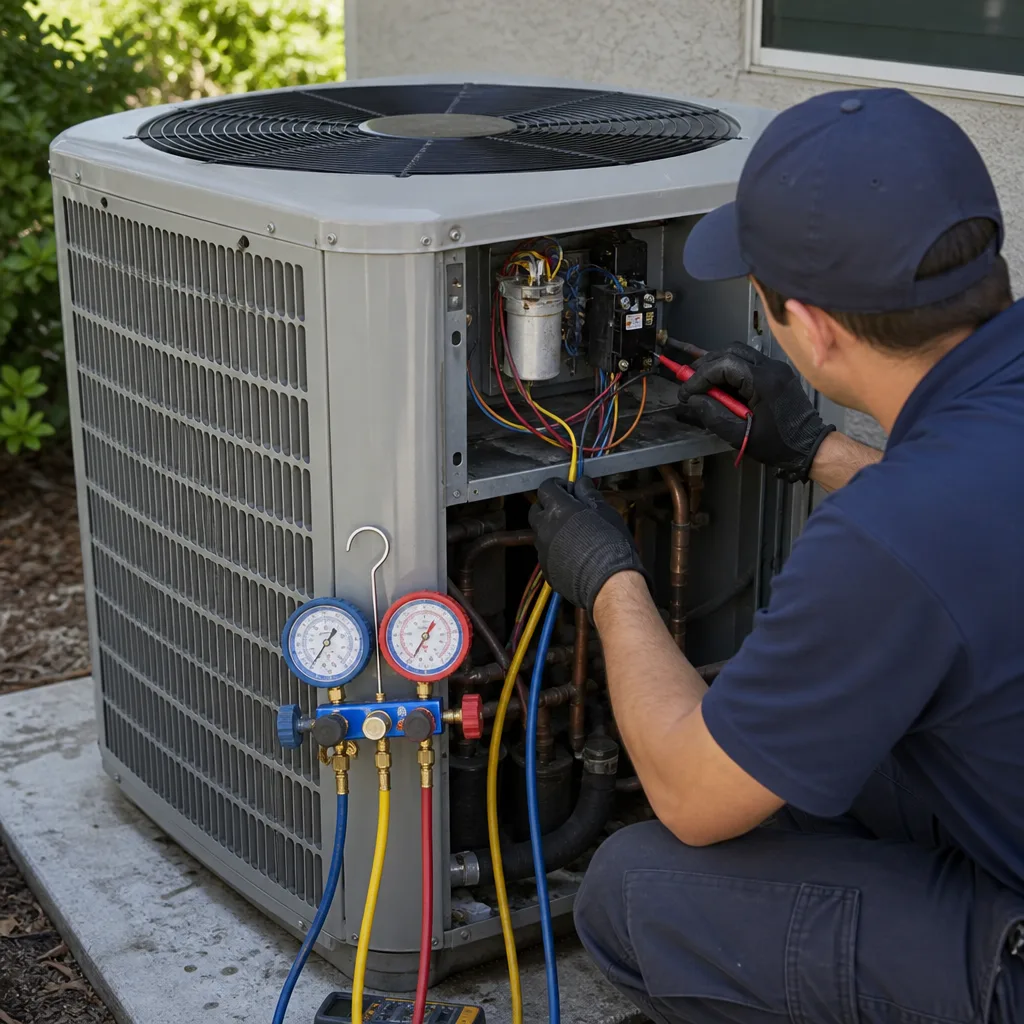
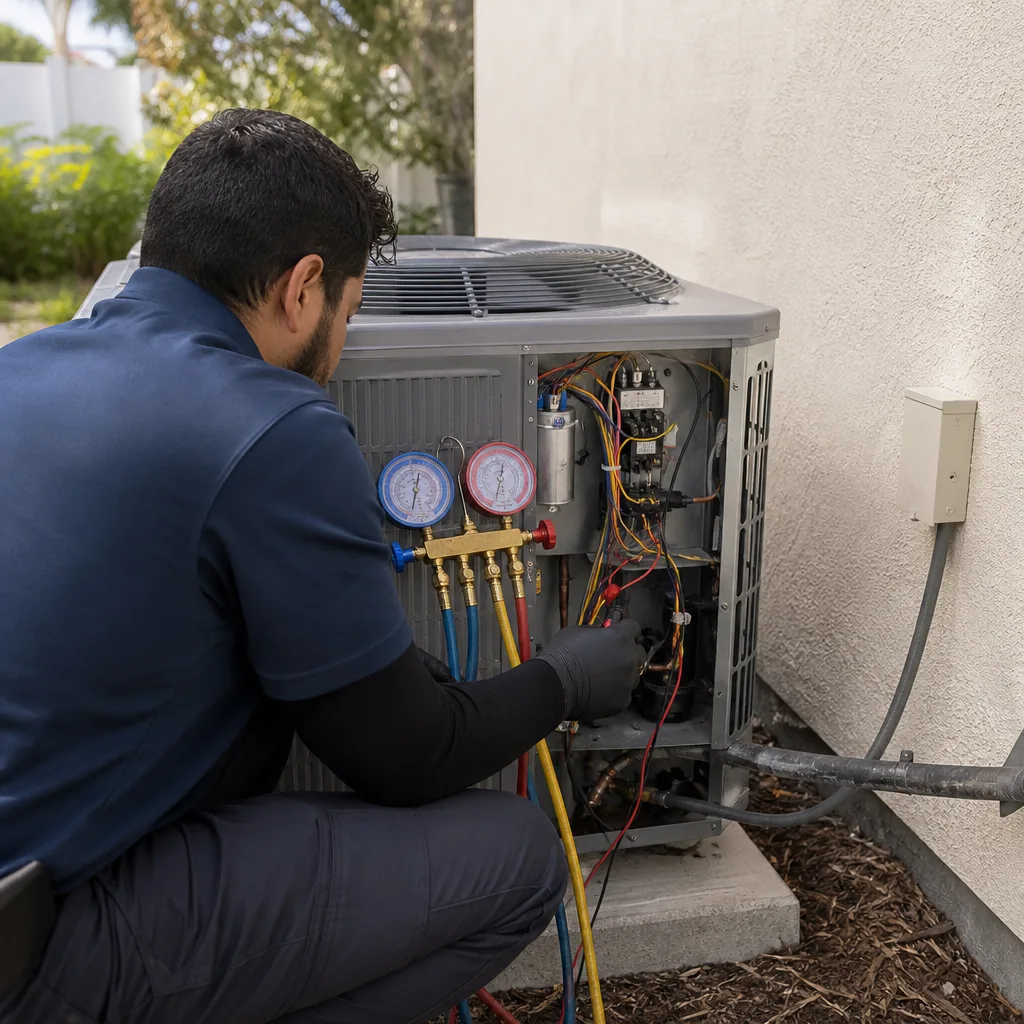
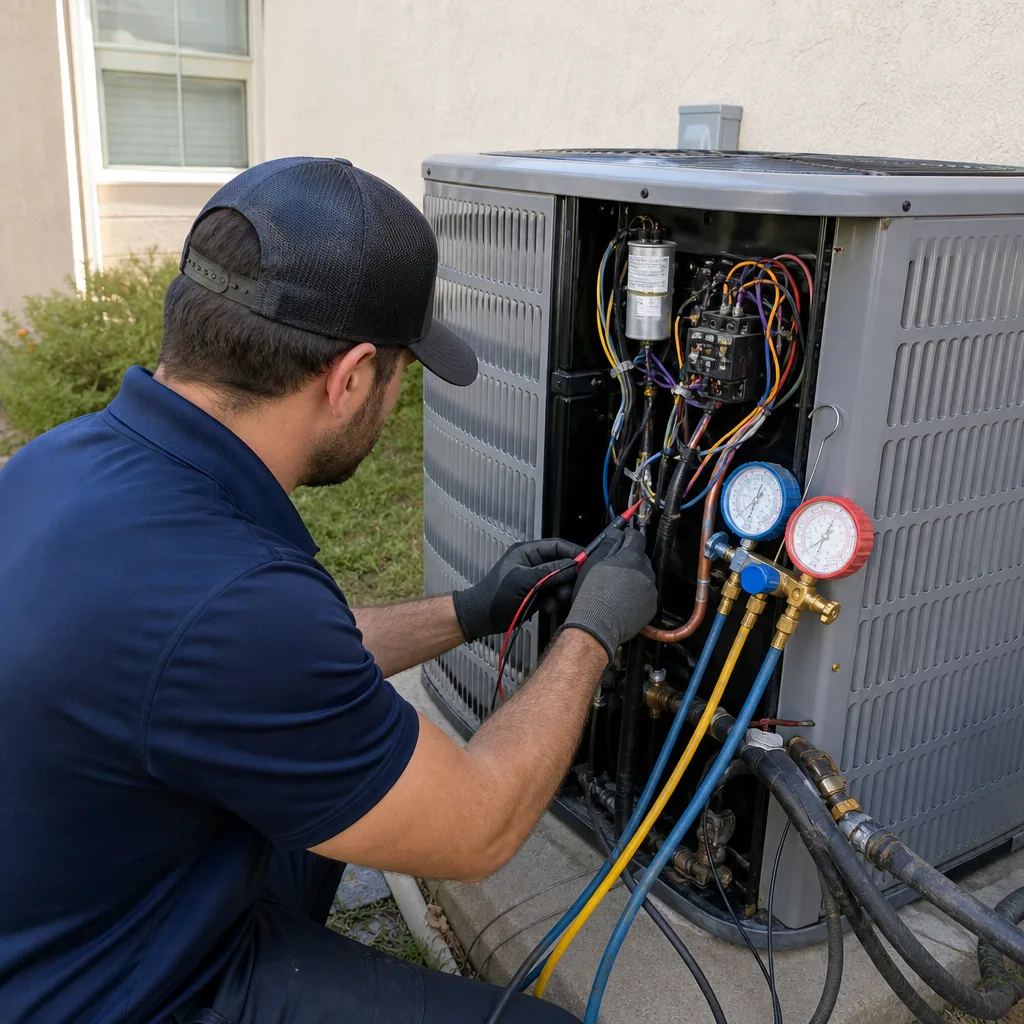
Refrigerant is a sealed system, and no homeowner should ever open a service valve. Gauges are for licensed professionals, and connecting them incorrectly can vent refrigerant into the atmosphere, which is illegal and dangerous. But you can spot a refrigerant problem early using two observations that require only a thermometer and a little patience.
The first is the supply air temperature method. On a hot afternoon with the system running for at least 15 minutes, measure the air temperature at a return vent and at a supply vent close to the air handler. The difference, called the temperature split, should typically be between 15 and 20 degrees. An 18-degree split is healthy. A split of 10 degrees suggests low refrigerant, restricted airflow, or a dirty coil, and it is worth calling a professional rather than guessing. The second observation is frost or ice. Low refrigerant causes the evaporator coil to drop below freezing. If you see ice on the copper lines at the outdoor unit, or frost on the coil through the access panel, shut the system off at the thermostat and call a technician. Running a frozen system can destroy the compressor, which is the most expensive component in the entire unit.
Systems from Carrier and Trane dominate in Orlando, and both hold up well to Florida conditions, but neither tolerates low refrigerant any better than the other. Any brand, from Lennox to American Standard, will fail early if it runs low on charge for a full summer. Checking the temperature split once in June and once in August is one of the highest-value habits a homeowner can adopt.
Common Mistakes to Avoid
- Closing too many supply vents in unused rooms. Most residential systems are designed for balanced airflow. Closing vents raises static pressure, which in Orlando’s humidity makes the coil run colder and can lead to freezing. If a room is genuinely unused, close no more than one or two vents and never the return.
- Using a filter with too high a MERV rating. A MERV 13 or MERV 16 filter may sound like the better product, but in a standard Orlando home with a PSC blower motor it can restrict airflow enough to reduce dehumidification. Match the filter to the system, not to the marketing copy on the box.
- Planting shrubs right against the condenser. The outdoor unit needs at least two feet of clearance on all sides to release heat. In Orlando’s wet summers, dense plantings also trap humidity around the coil and accelerate corrosion. Keep hedges trimmed back and rake leaves away during oak shedding season.
- Pouring bleach down the drain line every month as routine maintenance. Bleach is useful twice a year, but monthly bleach can embrittle PVC over time and it does not address biofilm below the water line. Rotate between vinegar and a commercial enzyme-based drain treatment for monthly use.
- Ignoring a float switch that never trips. If you lift the float switch and nothing happens, your water damage protection is not working. A float switch that has been bypassed is even worse. This is a small device that protects ceilings and floors in Orlando homes, and it should be tested every spring.
- Running the AC with windows open on mild days. In a humid climate, open windows introduce moisture that the AC then has to remove. On a 75-degree day with 80 percent humidity, running the system with windows open is not free cooling; it is a dehumidification bill.
- Delaying a professional check until the first hot week. Every Orlando HVAC company is overwhelmed by the first sustained heat wave. A May tune-up costs the same as a June emergency, but the May visit catches problems before they strand you on the hottest day of the year.
When to Call a Professional
Some maintenance tasks are genuinely doable for a careful homeowner, and some are not. Call a professional when the coil is frozen, when the temperature split is below 14 degrees, when the drain line stays clogged after two flushes and vacuuming, when the outdoor unit makes a buzzing or grinding sound, or when any electrical component shows scorch marks or melted insulation. These are signs that involve high voltage, sealed refrigerant, or significant water risk. A trained technician can resolve them safely and document what was found. AC repair in Orlando does not have to be an emergency if you act on early warnings. Meadowsweet Heating and Air Orlando offers free estimates in Orlando, and you can call (850) 845-8659 for a written price before any work begins. Every visit is backed by the 365-Day Done Right Promise, which is our guarantee that if the work is not done right, we make it right.
Frequently Asked Questions
Change a one-inch filter every 30 days if you have pets and every 60 days if you do not. Orlando’s long cooling season and high pollen counts mean filters load faster here than in most parts of the country. A four-inch media filter can last six to twelve months, but check it monthly with a light test. When you can no longer see light through the filter, it is time to replace it, regardless of the calendar.
Because Orlando’s humidity produces gallons of condensate every day, and that water sits in a warm, dark PVC pipe where algae and biofilm grow quickly. Homes without a monthly flush routine almost always develop a clog by July or August. The fix is a monthly diluted vinegar flush and a wet-dry vacuum on the outside drain opening in spring and fall. If the line clogs repeatedly despite maintenance, the pipe may be under-sized or improperly pitched, and a technician should inspect it.
Yes, but match it to your system. MERV 11 works well for most pet households, and MERV 13 can help with allergy symptoms if your system has the airflow capacity to handle it. The risk in Orlando is that a restrictive filter lowers airflow, which reduces dehumidification and can freeze the coil. If you upgrade to MERV 13, keep an eye on the temperature split and expect to change the filter more often.
Measure the temperature split. Run the system for 15 minutes on a hot afternoon, then measure air temperature at a return vent and a nearby supply vent. The difference should be between 15 and 20 degrees. A split under 14 degrees, especially combined with frost or ice on the copper lines, is a strong sign of low refrigerant. Turn the system off and call a professional, because running a low-charge system can destroy the compressor.
Yes, and the best month is April or May, before the summer rush. An annual tune-up in Orlando should include a coil inspection, drain line flush, electrical connection tightening, capacitor testing, refrigerant check, and a written report of findings. A professional tune-up catches small problems before they become August emergencies, and it protects the longevity of equipment from any brand, including Carrier, Trane, and Lennox.
A drain line flush with household products costs under ten dollars. Replacement filters run between eight and twenty-five dollars depending on size and MERV. A professional tune-up in the Orlando market typically falls between ninety and two hundred dollars, and a maintenance agreement that includes two visits per year plus priority scheduling usually runs from fifteen to thirty dollars per month. For an exact quote, call (850) 845-8659 and a live person will give you a written price before anyone arrives.
The Bottom Line
An Orlando AC maintenance checklist works only if it addresses what actually breaks in Orlando. That means monthly attention to the condensate drain line during summer, a filter schedule that accounts for pets and pollen, a spring evaporator coil inspection, a simple temperature split check for refrigerant health, and a professional tune-up every April or May. These steps are inexpensive and mostly doable by a careful homeowner, and they prevent the vast majority of midsummer failures we see across the Orlando area. Water damage from a clogged drain line, in particular, is almost always preventable with a five-minute monthly habit. If you would rather hand the whole calendar to a professional, Meadowsweet Heating and Air Orlando home serves the city with a written price on every visit, background-checked technicians who follow the C.A.R.E. values code, and the 365-Day Done Right Promise backing every job.
Written by Luis Serrano, Owner at Meadowsweet Heating and Air Orlando, serving Orlando since 2004.
See the difference
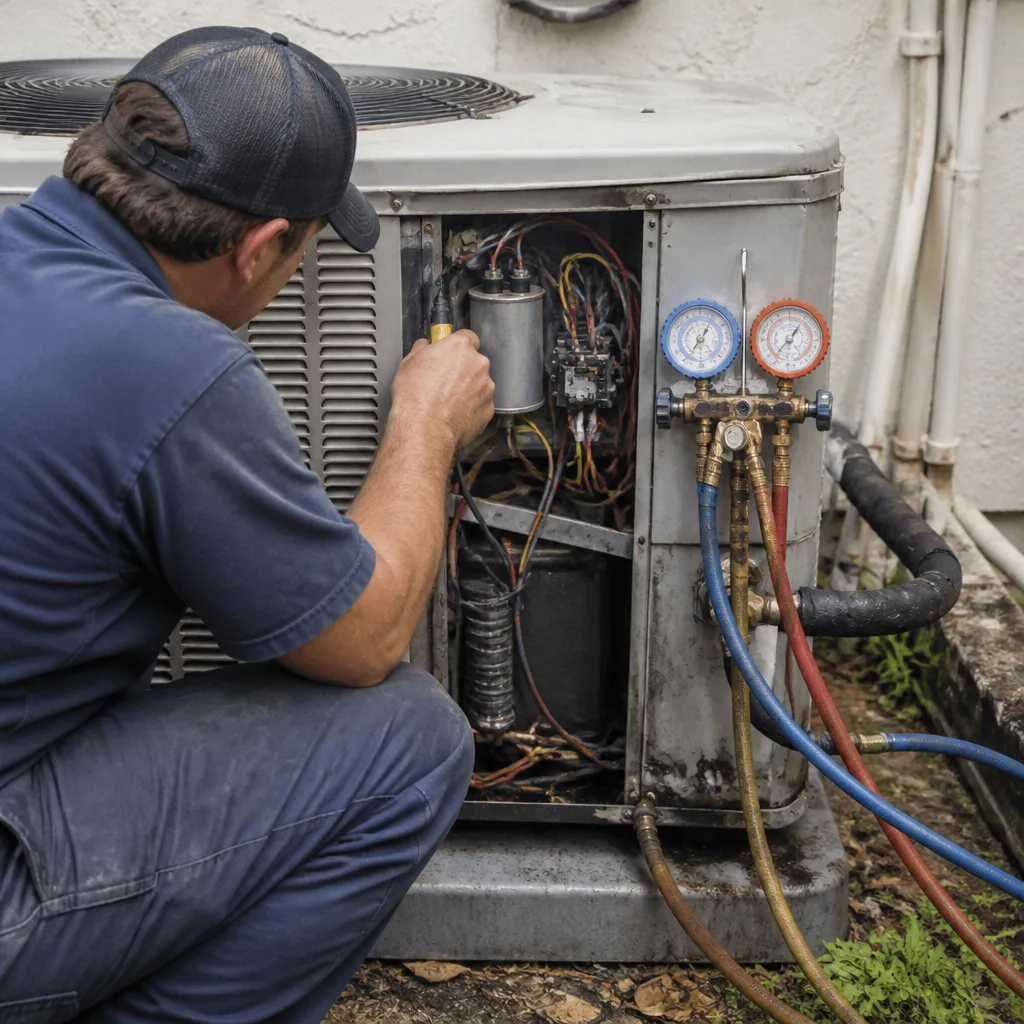 Before
 After
After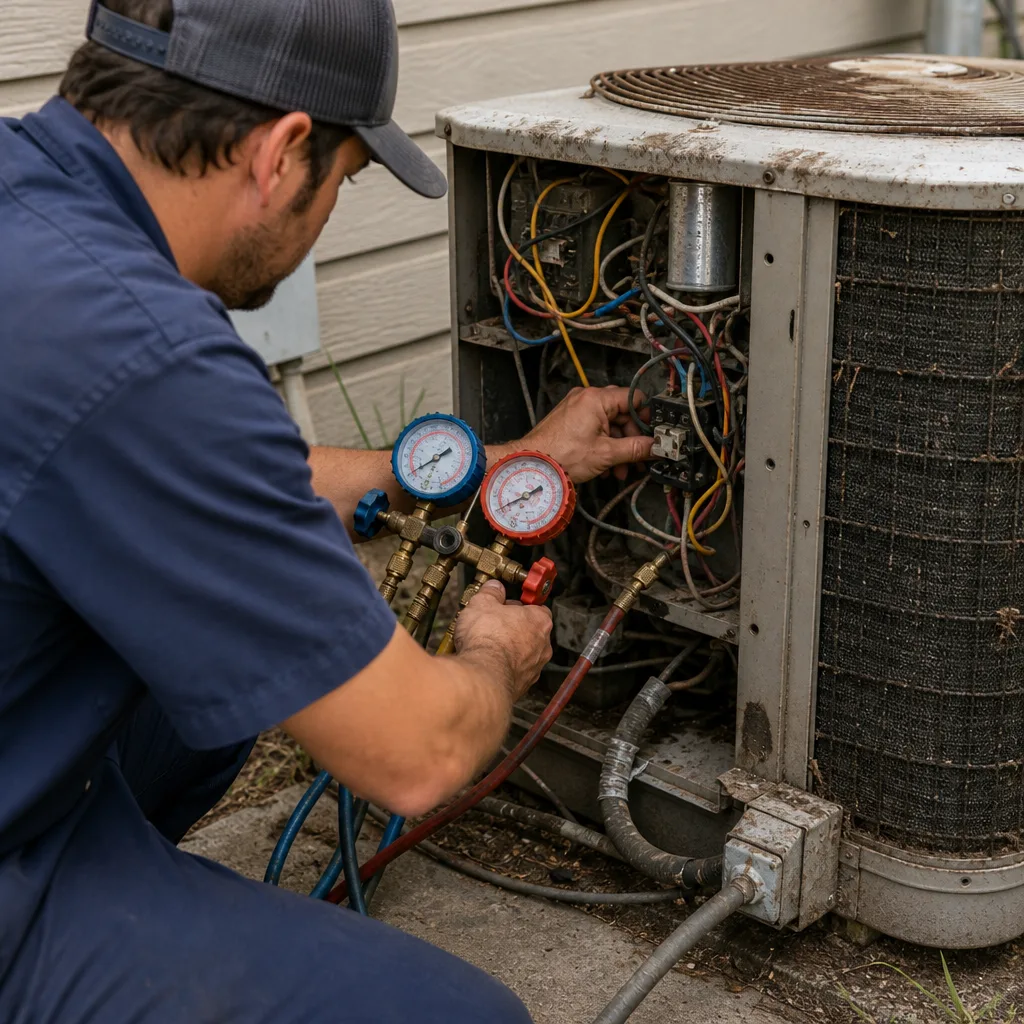 Before
 After
After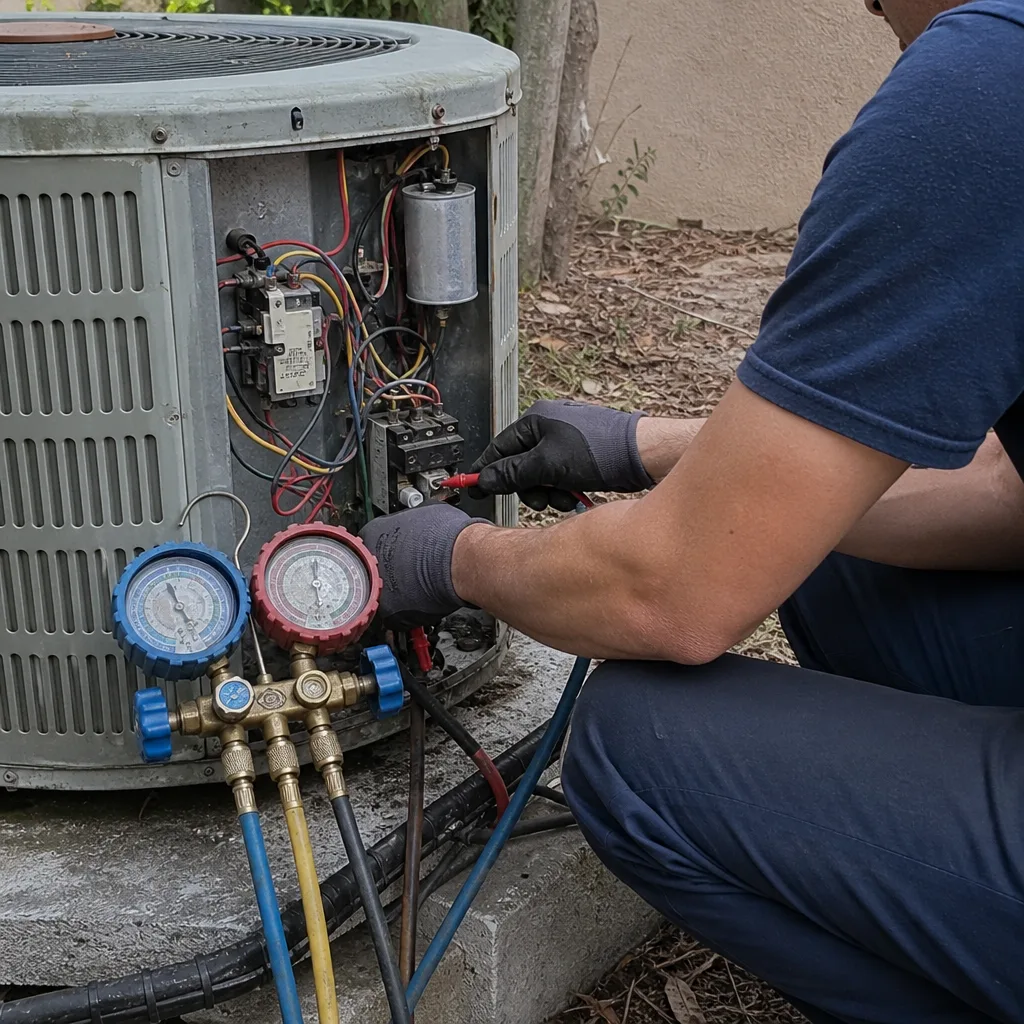 Before
 After
After