
Last updated October 16, 2026
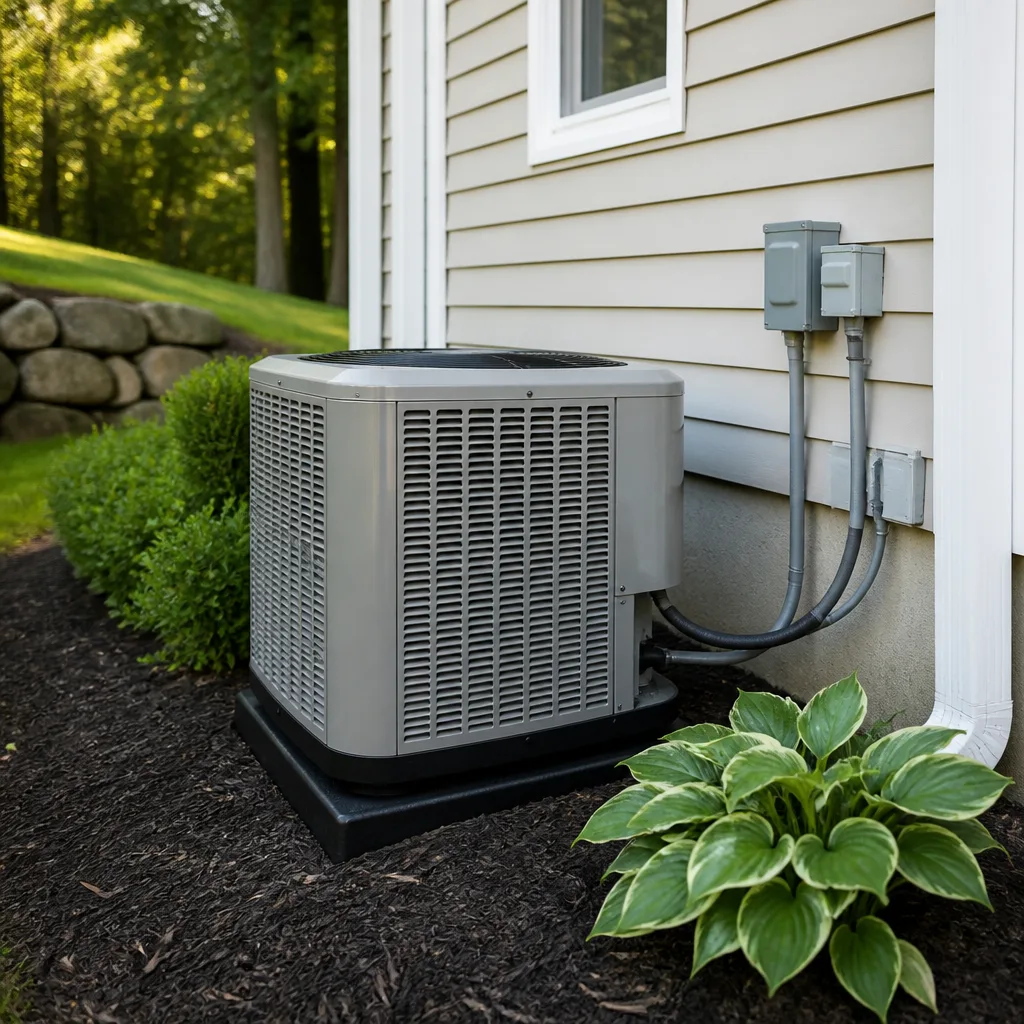 AC repair
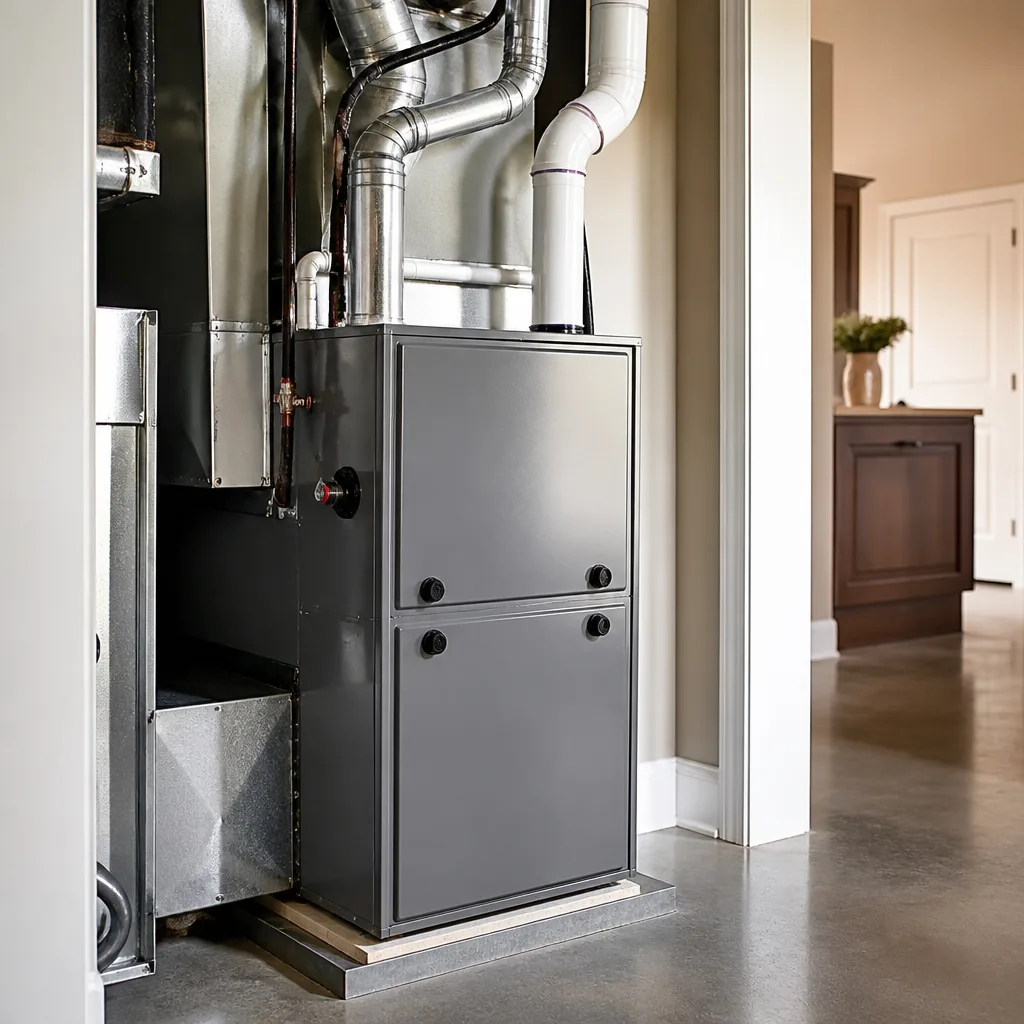 Furnace & heating
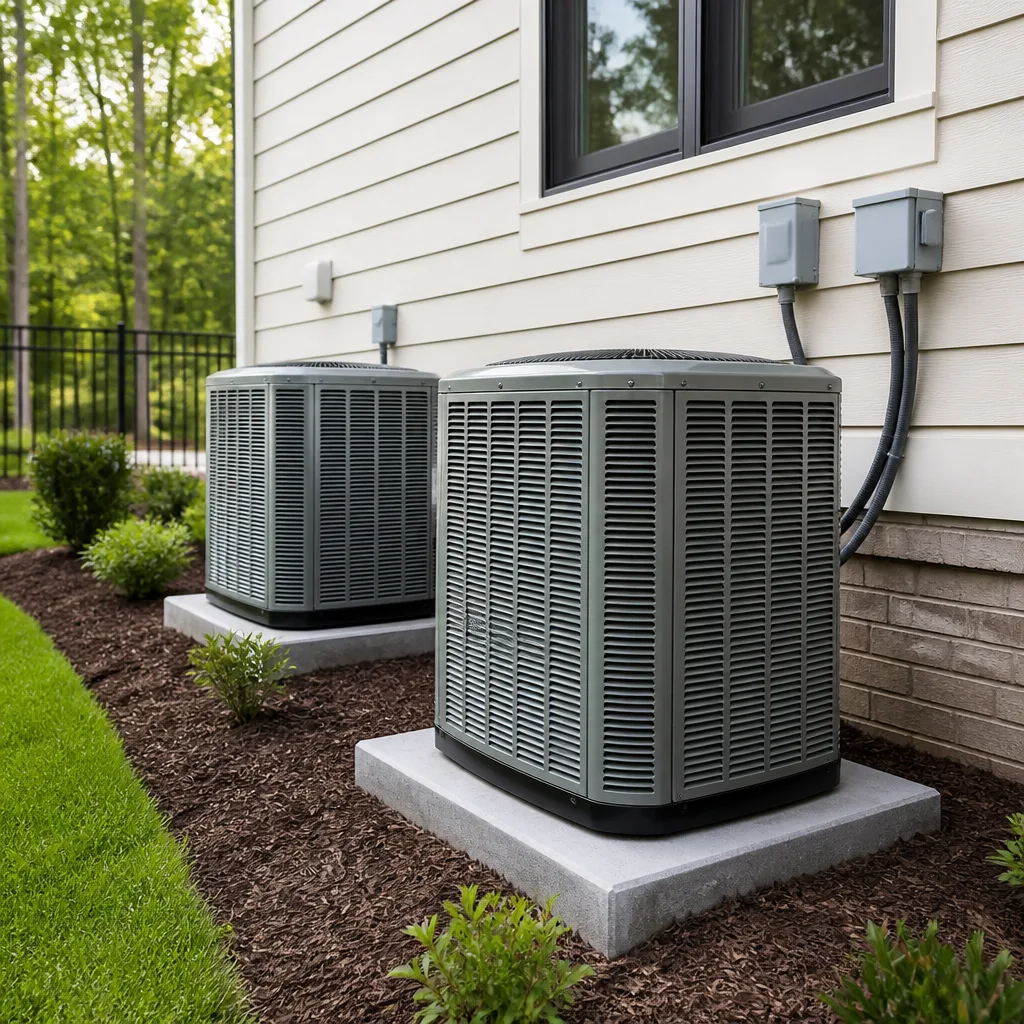 Heat pumps
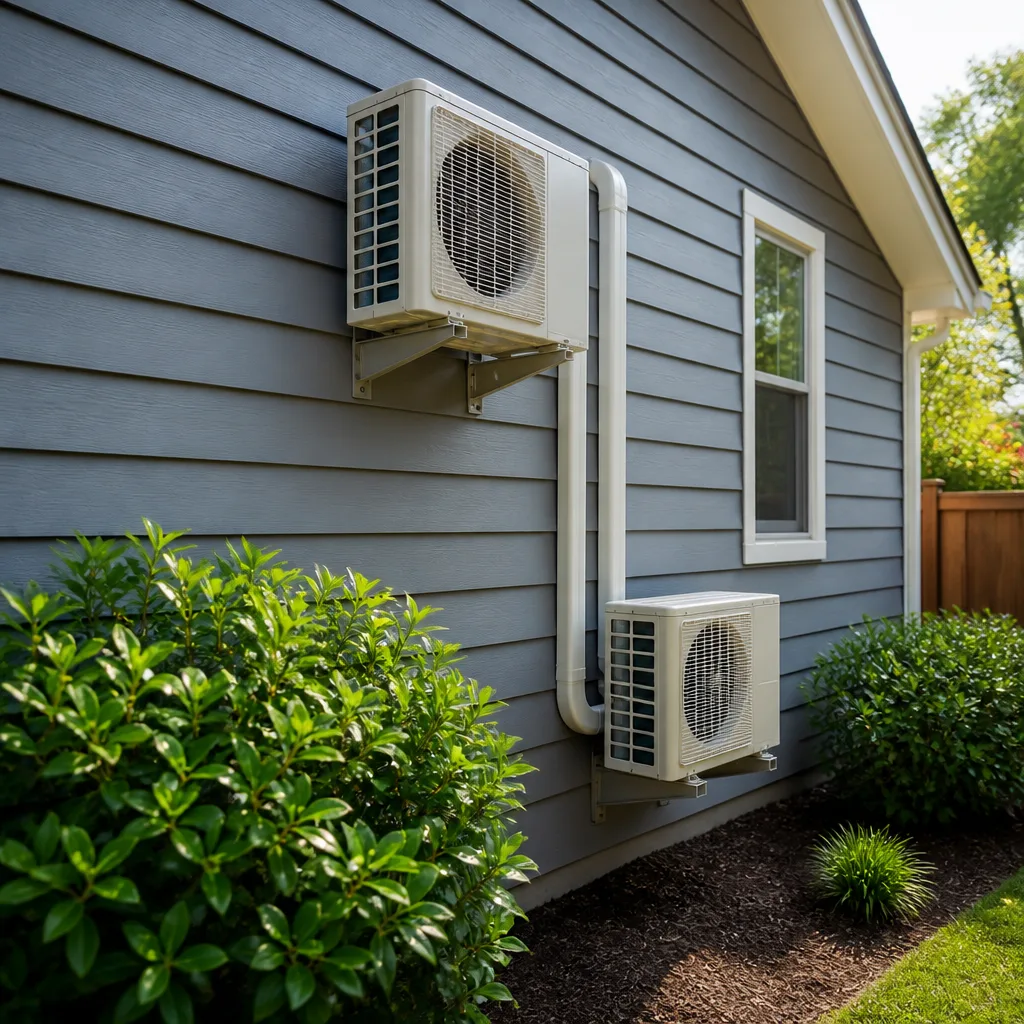 Ductless mini splits
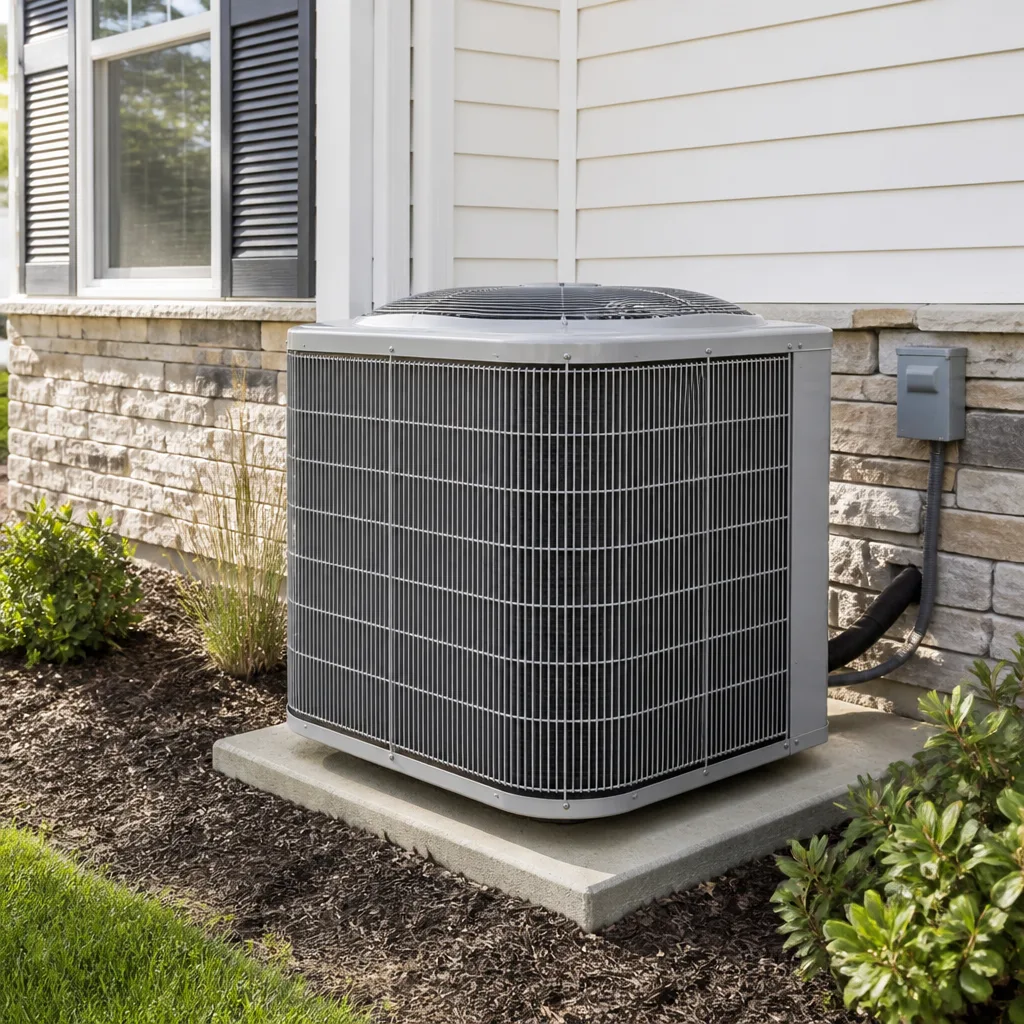 Carrier
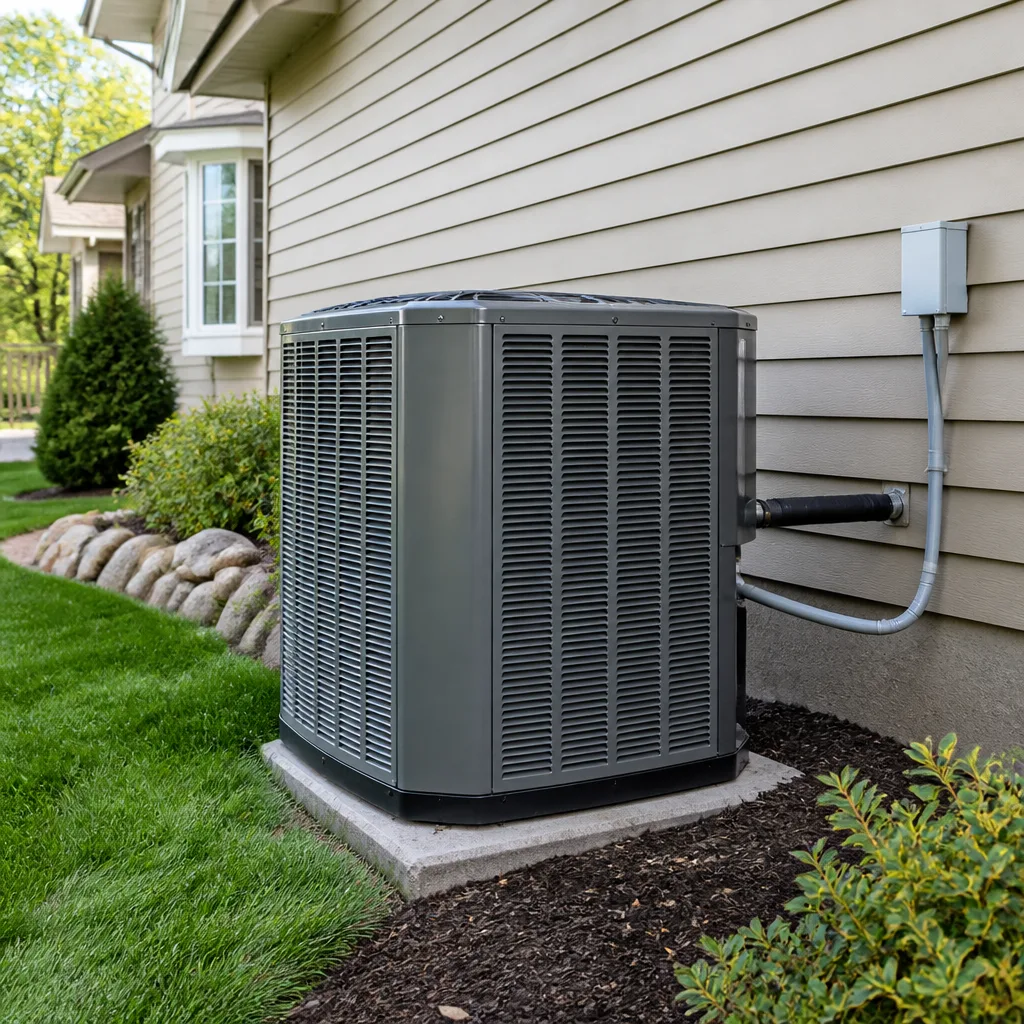 Trane
Trane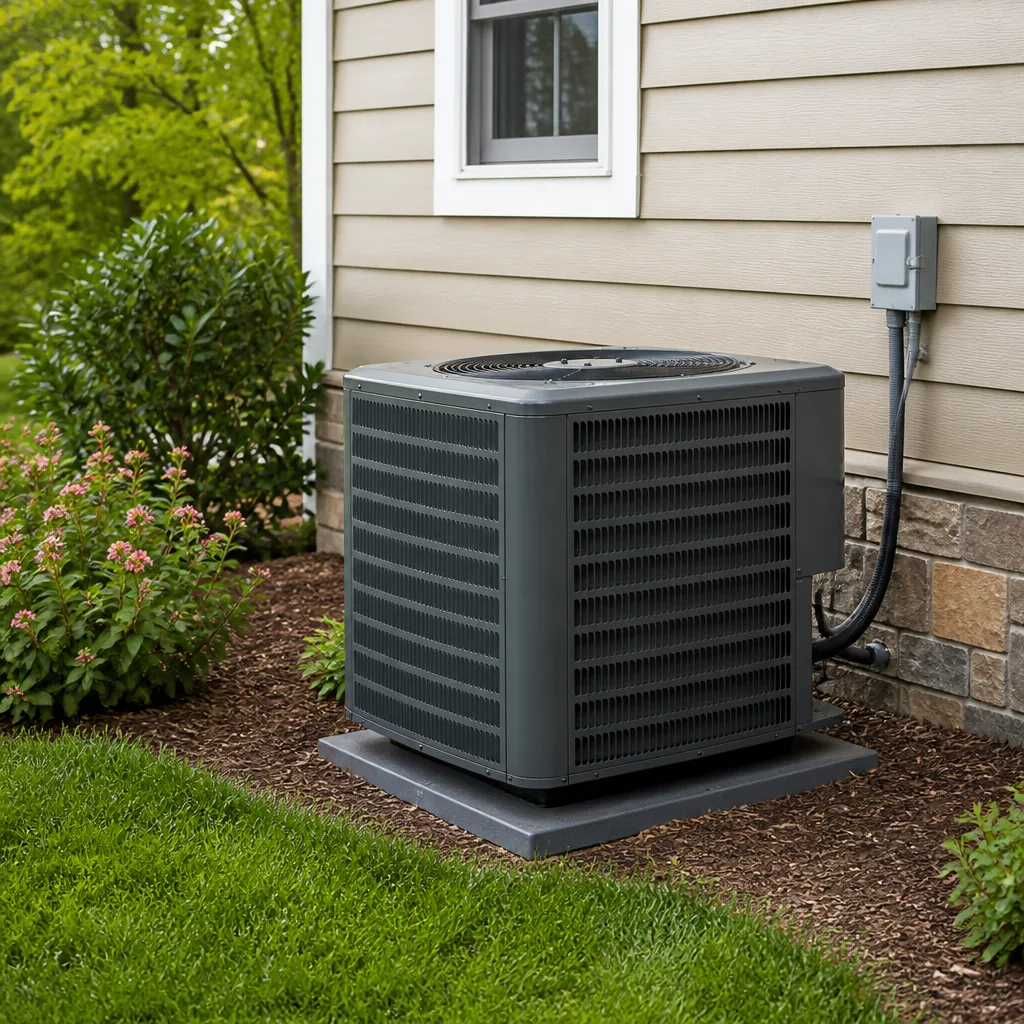 Goodman
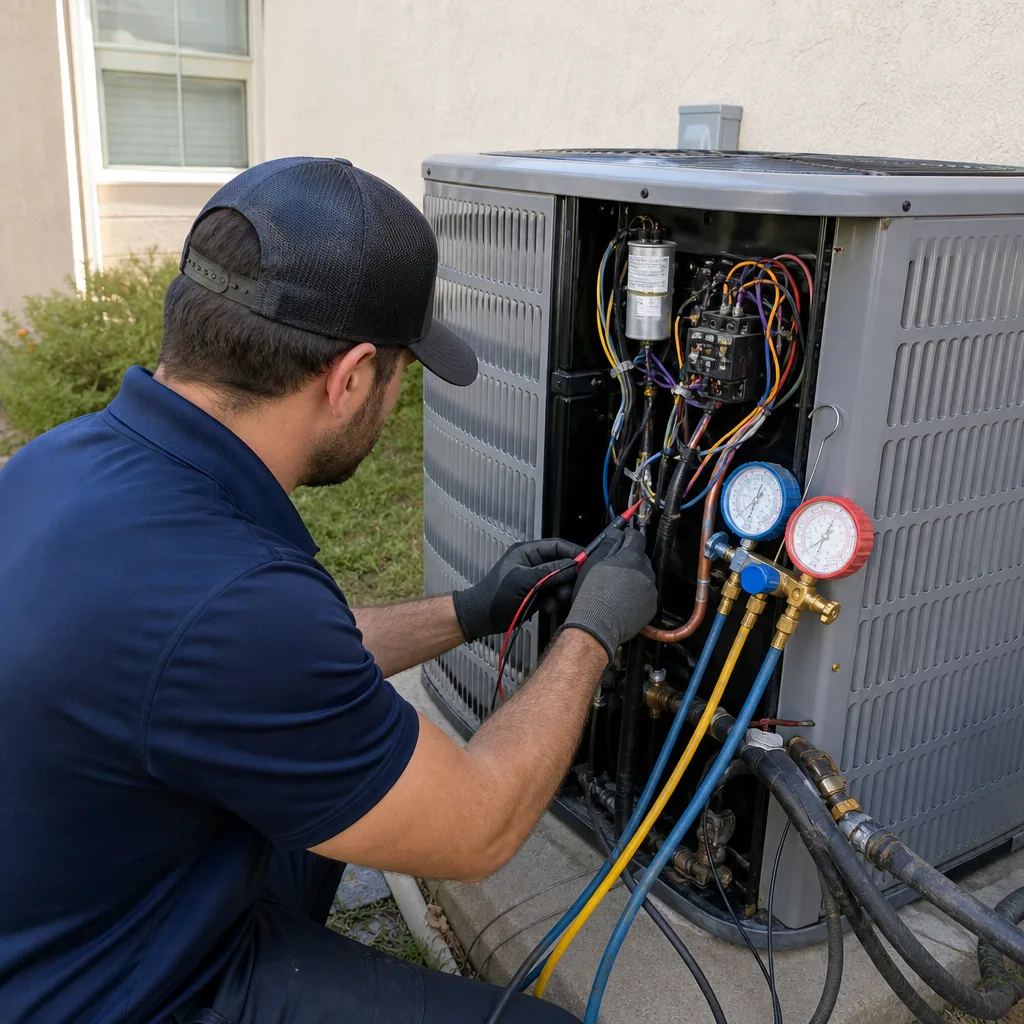
Seasonal tune-up and full diagnostic on your Carrier, Trane, or Goodman system - readings shown to you before any repair is proposed
Diagnosis first, numbers second - you approve the repair price before a single part goes in.
Get your free estimateHVAC Cost Breakdown: The Orlando Homeowner’s Reference for 2026
The range for a standard 3-ton AC replacement in Orlando in 2026 runs from roughly $6,800 to $11,400 depending on brand, SEER2 rating, and labor scope. That $4,600 spread leaves most homeowners guessing whether a quote is fair, padded, or suspiciously cheap. This guide gives you actual dollar figures for the most common Orlando HVAC jobs, explains the three forces driving 2026 pricing, and shows you exactly what a legitimate written quote should contain. For seasonal HVAC care tips to protect your investment year-round, see our companion guide. By the time you finish, you’ll be able to evaluate any Orlando HVAC bid like someone who reads them for a living.
Quick Answer
HVAC replacement cost in Orlando, FL in 2026 typically ranges from $6,800 to $11,400 for a standard 3-ton central AC system, $9,500 to $16,000 for a full system with furnace or air handler, and $4,200 to $7,800 for a heat pump. Common repairs run $180 to $650 for capacitor or contactor replacement, $800 to $2,400 for evaporator coil replacement, and $3,500 to $6,500 for compressor replacement. Your final price depends on brand, SEER2 rating, duct condition, and whether the quote includes permit fees and warranty registration.
Styles & brands we work with
Table of Contents
- What’s Driving Orlando HVAC Prices in 2026
- Full System Replacement Costs by Tier
- Common Repair Costs: What Each Job Actually Costs
- The R-410A Phase-Down and What It Means for Your Wallet
- Reading an Orlando HVAC Quote: Line Items That Belong and Red Flags
- Utility Rebates and Tax Credits: Real Dollars in 2026
- Repair vs Replace: The Cost-Per-Year Math for Orlando Homes
- Duct Replacement Costs in Central Florida
What’s Driving Orlando HVAC Prices in 2026
Three forces are shaping every HVAC quote you’ll see in Orlando this year. None of them are mysterious, and understanding them puts you ahead of most homeowners who read a bottom-line price and have no framework for judging it.
The SEER2 regulatory changeover. Since January 2023, new residential AC units in Florida must meet SEER2 efficiency standards, and the industry has now fully adjusted its pricing around these units. SEER2 measures efficiency under more realistic conditions than the old SEER metric, which means the same nominal efficiency costs more to manufacture. A 14.3 SEER2 unit (the current Florida minimum) performs about like an older 16 SEER unit, and manufacturers have rebuilt their entry-level lines accordingly. You’re not being upsold; the floor simply moved.
The R-410A phase-down. The refrigerant in most Orlando air conditioners is being phased out of new equipment production. Since January 2025, new systems use A2L refrigerants like R-32 or R-454B. This matters for repair costs on existing systems because R-410A is still available for servicing, but its price has risen noticeably as production quotas tightened. More on this in the refrigerant section below.
Central Florida labor market tightness. Orlando’s construction sector has been running hot for a decade, and skilled HVAC technicians command premium wages. That’s not a complaint; it’s just a fact of the 2026 market. What it means for you is that labor now represents a larger share of every HVAC bill than it did five years ago, especially on installation jobs that require two-person crews and a full day’s work.
We’ve also watched material costs for sheet metal, copper line sets, and electrical components climb steadily through 2025. None of these trends are unique to Orlando, but they land harder here because our cooling season runs eight to nine months a year and our equipment works harder than the national average.
Full System Replacement Costs by Tier
A fair written quote for a 3-ton AC replacement in Orlando in 2026 will land in these ranges based on equipment tier. These figures include equipment, installation labor, basic materials, and standard haul-away of the old unit. They do not include duct replacement, electrical panel upgrades, or significant line-set rerouting.
- Entry-level single-stage (14.3 – 15.2 SEER2): $6,800 – $8,200. Brands like Goodman and Rheem dominate this tier. Good equipment, simple controls, no inverter technology.
- Mid-tier single-stage or two-stage (16 – 17 SEER2): $8,500 – $10,800. Typically Trane, Lennox, or Bryant. Better sound ratings, better humidity control, which matters in Orlando summers.
- High-efficiency variable-speed (18 – 20+ SEER2): $10,500 – $14,000+. Trane and Lennox variable-speed systems sit here. Noticeable summer electric bill reduction and far better humidity management, but the upfront premium takes years to recoup.
- Heat pump full system (air handler + outdoor unit): $9,500 – $16,000 depending on efficiency tier. Heat pumps are increasingly common in Orlando because they handle both cooling and the occasional cold snap efficiently.
What explains the spread inside each tier? Three things: the brand’s parts availability network, the complexity of your specific installation (attic access, closet air handler vs. garage, line set distance), and whether the contractor is including real warranty registration labor in the price. A quote that looks $1,200 cheaper than another contractor’s often turns out to have excluded permit fees, which in Orlando can run $150 – $450 depending on municipality and scope.
If you’re considering a full replacement, see our AC Installation in Orlando page for how we handle the process, from load calculation to final walkthrough.
Common Repair Costs: What Each Job Actually Costs
Most Orlando repair calls fall into a handful of well-understood categories. Here’s what a fair price looks like for each, based on what we see across the city in 2026.
- Capacitor replacement: $180 – $320. The most common AC failure in Orlando. Small part, quick job, big impact when it fails on a 95-degree afternoon.
- Contactor replacement: $180 – $300. Often done alongside capacitor replacement.
- Condensate drain line clearing: $120 – $250. In Orlando’s humidity, drain lines clog constantly. A wet-floor preventative visit is cheaper than a ceiling repair.
- Thermostat replacement (smart thermostat): $250 – $500 installed, depending on the model and whether new wiring is needed.
- Blower motor replacement: $500 – $1,100 depending on motor type. Variable-speed motors cost more than single-speed.
- Evaporator coil replacement: $800 – $2,400. Depends heavily on whether the coil is under warranty and whether the job requires recovering and recharging refrigerant.
- Refrigerant leak repair (minor, accessible): $450 – $900 plus refrigerant recharge.
- Compressor replacement: $3,500 – $6,500. If the unit is under warranty, you’re paying labor and refrigerant only; if not, the part alone can run $1,500 – $2,800.
- Circuit board replacement: $300 – $650 depending on brand and board availability.
One note that matters: a repair quote should always specify what failed and why. If a technician can’t explain the root cause in plain language, you’re within your rights to get a second opinion. For more on how we approach diagnostics, visit our AC Repair in Orlando page.
The R-410A Phase-Down and What It Means for Your Wallet
If your Orlando home has a system installed before 2025, it almost certainly runs on R-410A. That refrigerant isn’t banned; as of 2026, it’s just more expensive. The Environmental Protection Agency’s phasedown schedule, aligned with the AIM Act, has reduced production allowances annually, which means every pound of R-410A costs contractors more than it did two years ago, and that cost passes through to you on refrigerant-related service calls.
What should you budget? In 2026, a typical R-410A recharge in Orlando runs $120 – $220 per pound, and a standard residential system holds 6 to 10 pounds. A full recharge after a leak repair might cost $800 – $1,800 in refrigerant alone, before labor. That’s up roughly 30 – 50% from 2023 pricing, depending on your contractor’s supply chain.
The practical implication: if your system is more than 10 years old and develops a refrigerant leak, the repair math shifts. Replacing an evaporator coil and recharging the system can easily reach $2,500 – $3,500 on a system that might only have a few years of useful life left. At some point, that money is better spent as a down payment on a new system that uses current refrigerant and carries a new warranty. We talk through that calculation honestly during service calls; some systems are genuinely worth repairing, and some aren’t, and you deserve to know which side yours falls on before you spend. If you’re unsure whether your system is showing HVAC warning signs that mean trouble, our reference guide can help you assess.
Reading an Orlando HVAC Quote: Line Items That Belong and Red Flags
A legitimate Orlando HVAC quote in 2026 should look like an itemized document, not a single number scribbled on a business card. Here’s what belongs on a replacement quote, and what should make you pause.
- Equipment model numbers. Not just “Trane 16 SEER” but the specific model number for the outdoor unit and the air handler or furnace. Without model numbers, you can’t verify the SEER2 rating or confirm warranty registration later.
- Labor scope described in writing. What exactly is included: removal and haul-away of old equipment, line set flushing or replacement, duct plenum modification if needed, electrical disconnect replacement, condensate drain connection, thermostat wiring and setup, and system start-up testing.
- Permit fees. In Orlando and surrounding Orange County municipalities, mechanical permits for HVAC replacement typically run $150 – $450. A quote that omits the permit fee isn’t cheaper; it’s either doing the work unpermitted or planning to add the fee later.
- Warranty registration labor. Most manufacturer parts warranties (often 10 years on the compressor) are only valid if the equipment is registered within 60 – 90 days of installation. A reputable contractor does this registration for you and confirms it in writing.
- Disposal and haul-away fees. Sometimes listed separately, sometimes bundled. Either way, it should be explicit.
Red flags: a quote that’s $2,000 below every other bid without explanation; a contractor who won’t do a manual load calculation before sizing your system; a refusal to put the price in writing before work starts; any hesitation about pulling a permit. We consider the written-price commitment central enough to build our whole service model around it. Our Meadowsweet Heating and Air Orlando home page describes our version of this, the Cedarwell Care Promise, in more detail.
Utility Rebates and Tax Credits: Real Dollars in 2026
Orlando homeowners have access to two layers of financial incentives in 2026, and they stack. Understanding both can shift your effective replacement cost by a meaningful amount.
Federal 25C tax credit. The Inflation Reduction Act’s 25C credit remains available through 2032. In 2026, you can claim 30% of the cost of qualifying high-efficiency equipment, up to $600 for qualifying central air conditioners, $600 for qualifying furnaces, and $2,000 for qualifying heat pumps. These credits apply to the equipment portion of the bill, not installation labor, and require the equipment to hit published efficiency thresholds. Your tax professional can confirm eligibility, but a high-efficiency heat pump installation in Orlando can realistically capture $2,000 at tax time.
Florida utility rebates. Duke Energy and FPL both run rebate programs for efficiency upgrades, though the specific amounts and qualification criteria change periodically. In recent program cycles, Duke Energy Florida has offered rebates in the $200 – $500 range for qualifying high-efficiency AC replacements and heat pump conversions, with tiers tied to SEER2 ratings. FPL’s residential HVAC rebate program operates on a similar model. The key detail: rebate applications are typically due within 90 days of installation, and your contractor should handle the paperwork and provide you the confirmation.
Practical advice: ask before you buy whether the specific equipment model on your quote qualifies for both the 25C credit and your utility’s current rebate program, and get the model numbers in writing. A $10,000 high-efficiency heat pump that captures a $2,000 tax credit and a $400 utility rebate has an effective cost of $7,600, which is comparable to a mid-tier standard AC that captures nothing. The efficiency calculus changes when the incentives are real.
Repair vs Replace: The Cost-Per-Year Math for Orlando Homes
National guides use national run-hours to calculate repair-versus-replace decisions. That’s a mistake for Orlando, where an air conditioner runs 2,500 – 3,200 hours per year, roughly double the national average. Equipment in Central Florida ages in dog years.
Here’s a realistic cost-per-year framework for a 3-ton system in Orlando as of 2026:
- System age 0 – 5 years: Almost always repair. Major failures are usually covered by manufacturer parts warranty, and you’re only paying labor. Cost per year of remaining life is low.
- System age 6 – 10 years: Repair is usually right if the repair cost is under $800 and the system is otherwise running well. But if you’re looking at a $1,500+ coil replacement or a $2,000+ refrigerant leak repair, start comparing against replacement cost. A good rule: if a repair costs more than 50% of a new system’s price, and the unit is past its seventh birthday, replace.
- System age 10 – 15 years: Replace, in most cases. Here’s the math: a $10,000 mid-tier replacement should last 12 – 15 years in Orlando. That’s $670 – $830 per year. A repair that costs $2,400 on a 12-year-old system buys you maybe two years, which is $1,200 per year, and convenience risk on top. Even without a catastrophic failure, an older system runs less efficiently; a 12-year-old unit might have a real-world SEER2 equivalent of 12 or less, while a new mid-tier unit hits 16 – 17.
- System age 15+ years: Replace without agonizing. At this age, every component is approaching end of life. You’ll pay for this repair, and another one in six months, and another one after that. Better to put that money into equipment with a fresh 10-year parts warranty and current efficiency.
One Orlando-specific factor: our summers are brutal on capacitors and contactors. A $250 capacitor replacement is normal maintenance on any system, any age, and shouldn’t trigger replacement math. It’s when the refrigerant circuit, compressor, or major electrical components start failing that the real calculation begins.
Duct Replacement Costs in Central Florida
Ductwork is the overlooked line item in many Orlando HVAC quotes. In homes built during the 1990s and 2000s construction boom, original flex duct is often now 20 – 30 years old, sagging, leaking, and sometimes never properly sized in the first place. If your system runs constantly but some rooms stay warm, or if your electric bill seems disconnected from your thermostat habits, ductwork is a likely culprit.
For a typical 1,800 – 2,500 square foot Orlando home, full duct replacement in 2026 runs $4,500 – $8,500 depending on the number of runs, accessibility of the attic, and whether the job includes sealing the supply plenum and installing a proper return-air path. Partial duct repair (resealing accessible runs, replacing crushed flex) runs $800 – $2,000.
Here’s the part most homeowners don’t hear until after a new system is installed: putting a 17 SEER2 system on leaky, undersized ducts is like putting racing tires on a car with a flat spare. You’ll get some benefit, but not what you paid for. If your ducts are original to the home and you’re investing in a new system, ask your contractor to inspect the ductwork during the estimate and give you an honest assessment. A reputable contractor will tell you if the ducts are fine, and won’t try to bundle a $6,000 duct job into an already-expensive replacement unless the ducts actually need it. For more on how we keep homes comfortable when the system is struggling, see our Furnace Repair in Orlando page, which covers the heating side of your comfort system.
Common Mistakes to Avoid
- Choosing a system based on brand name alone. The installation quality matters more than the badge on the unit. A perfectly installed Goodman will outperform a poorly installed Trane every single time. Judge the contractor, not just the brand.
- Skipping the written quote step. In Florida, verbal pricing means nothing. Get every number, every model number, every line item in writing before any work begins. If a contractor won’t do that, the relationship is already off to the wrong start.
- Ignoring the permit question. Unpermitted HVAC work can complicate home sales, insurance claims, and even manufacturer warranty coverage. In Orlando, permits are a normal, expected part of a legitimate installation.
- Replacing equipment without asking about duct condition. As covered above, new equipment on failing ducts wastes money. Ask about it during the estimate.
- Optimizing for the lowest bid. A quote $2,000 below the field is usually low for a reason. Omitted permits, a skipped load calculation, or a crew without proper training. In HVAC, the cheapest quote is rarely the cheapest system.
- Waiting until the system fails to research your options. The worst time to make a $10,000 decision is when the thermostat reads 84 degrees and the home is in full sun. Researching now, like you’re doing with this guide, means you’ll make a clear decision instead of a desperate one.
- Forgetting to ask about warranty registration. A 10-year parts warranty that’s never registered might as well be a 1-year warranty. Confirm registration in writing.
See the difference
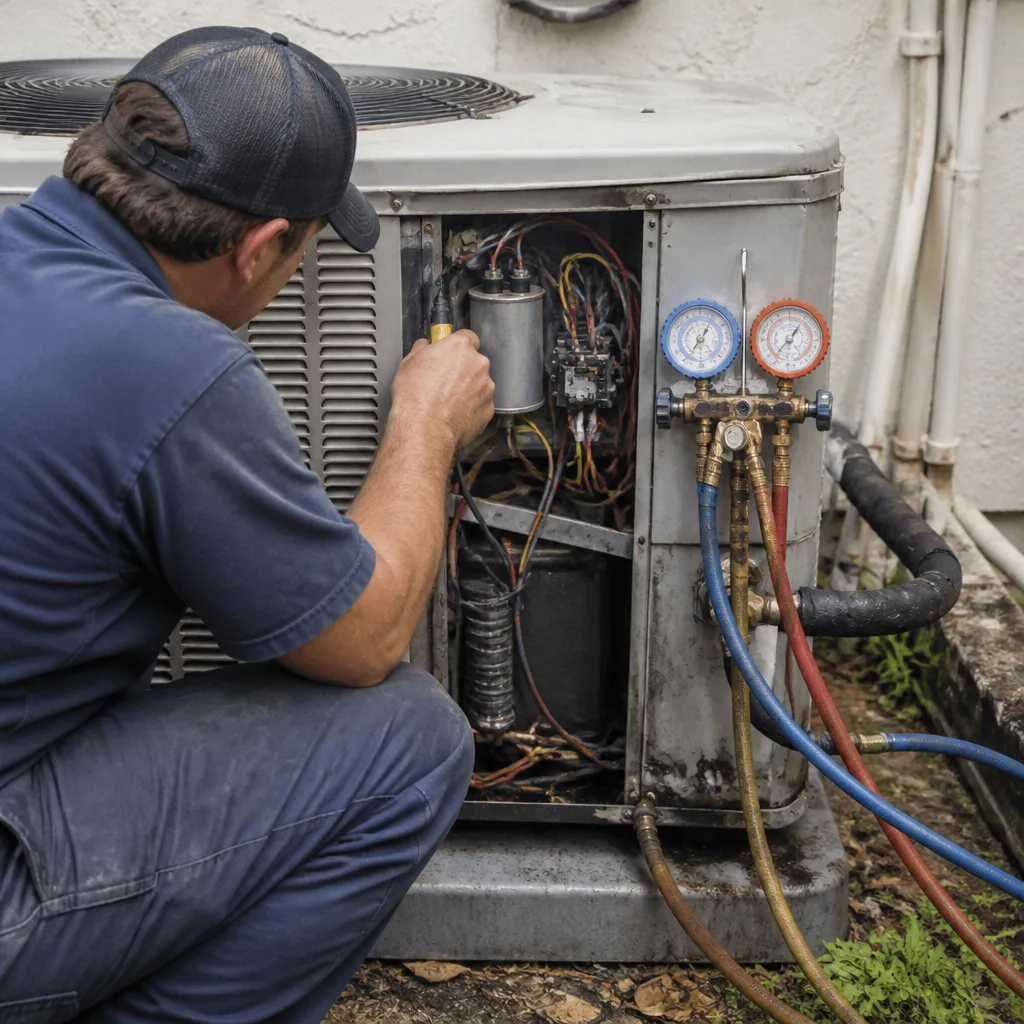 Before
 After
After Before
 After
After Before
 After
AfterWhen to Call a Professional
Some HVAC issues are genuinely DIY-adjacent: changing a filter, clearing a visible drain line clog, checking that a circuit breaker hasn’t tripped. Others are not, and knowing when to call a pro is part of smart homeownership-see more guides & resources on our blog. Anytime you’re dealing with refrigerant, electrical components at the panel or disconnect, a compressor, or anything that requires opening the sealed refrigeration circuit, you need a trained technician with proper equipment. Refrigerant handling is regulated by the EPA, and electrical work on HVAC systems carries real shock risk. Beyond safety, a professional diagnosis can save you money; what looks like a dead compressor is sometimes a $25 capacitor or a loose wire. Meadowsweet Heating and Air Orlando offers free estimates in Orlando. Call (850) 845-8659 and a live person will answer, day or night.
Frequently Asked Questions
A new central AC system in Orlando in 2026 typically costs $6,800 to $14,000 depending on efficiency rating, brand, and installation complexity. A standard 3-ton replacement falls in the $7,000 to $9,500 range for mid-tier equipment, while high-efficiency variable-speed systems from brands like Trane or Lennox run $10,500 and up. Call (850) 845-8659 for a written quote specific to your home.
In Orlando, the cheapest time to replace an AC system is typically during the mild shoulder seasons, October through November and March through April, when demand drops and contractors have more scheduling flexibility. The savings are usually modest, in the $300 to $800 range, and come from manufacturer seasonal promotions rather than dramatic price fluctuations. The bigger financial lever is choosing the right efficiency tier and capturing available rebates.
In most cases, a 12-year-old air conditioner in Orlando is a replace, not a repair, especially if the repair cost exceeds $1,500. Orlando systems run 2,500 to 3,200 hours per year, roughly double the national average, which means a 12-year-old unit here has the equivalent wear of a 20-year-old unit in a northern climate. A new system also resets your warranty clock and typically cuts summer electric bills by 20 to 40 percent.
An R-410A refrigerant recharge in Orlando in 2026 typically costs $120 to $220 per pound, and a full recharge runs $800 to $1,800 in refrigerant alone before labor. The price has risen due to the federally mandated R-410A production phase-down, which continues to tighten supply. If your system needs a full recharge due to a leak, you should have the leak located and repaired first, not just topped off, or you’ll be paying for the same refrigerant again within months.
Yes. Orlando homeowners can access the federal 25C tax credit, which covers 30% of qualifying high-efficiency equipment costs, up to $600 for qualifying central AC units and $2,000 for qualifying heat pumps. Duke Energy and FPL also run residential HVAC rebate programs with tiers tied to SEER2 ratings. Eligibility depends on the specific model installed, so ask your contractor to confirm rebate qualification in writing before you sign.
A standard single-system AC replacement in Orlando takes one full day with a two-person crew, typically 6 to 10 hours from arrival to system start-up and testing. Full system replacements that include a furnace or air handler, duct modifications, or electrical panel work can run two days. Meadowsweet schedules the installation date in writing as part of the quote, so you know exactly when the new system is going in.
The Bottom Line
Orlando HVAC pricing in 2026 is higher than it’s ever been, but it’s also more legible once you understand the three forces pushing it: the SEER2 regulatory changeover, the R-410A refrigerant phase-down, and Central Florida’s tight construction labor market. A fair 3-ton AC replacement runs $6,800 to $11,400, and a legitimate quote includes model numbers, permit fees, which in Florida have specific local requirements, labor scope, and warranty registration in writing. The best decision is made before the system fails, armed with real numbers and a clear understanding of what a fair quote contains. If you’d like a written estimate for any of the work described in this guide, call (850) 845-8659 and ask for a free evaluation.
Written by Luis Serrano, Owner at Meadowsweet Heating and Air Orlando, serving Orlando since 2004.