
Last updated October 16, 2026
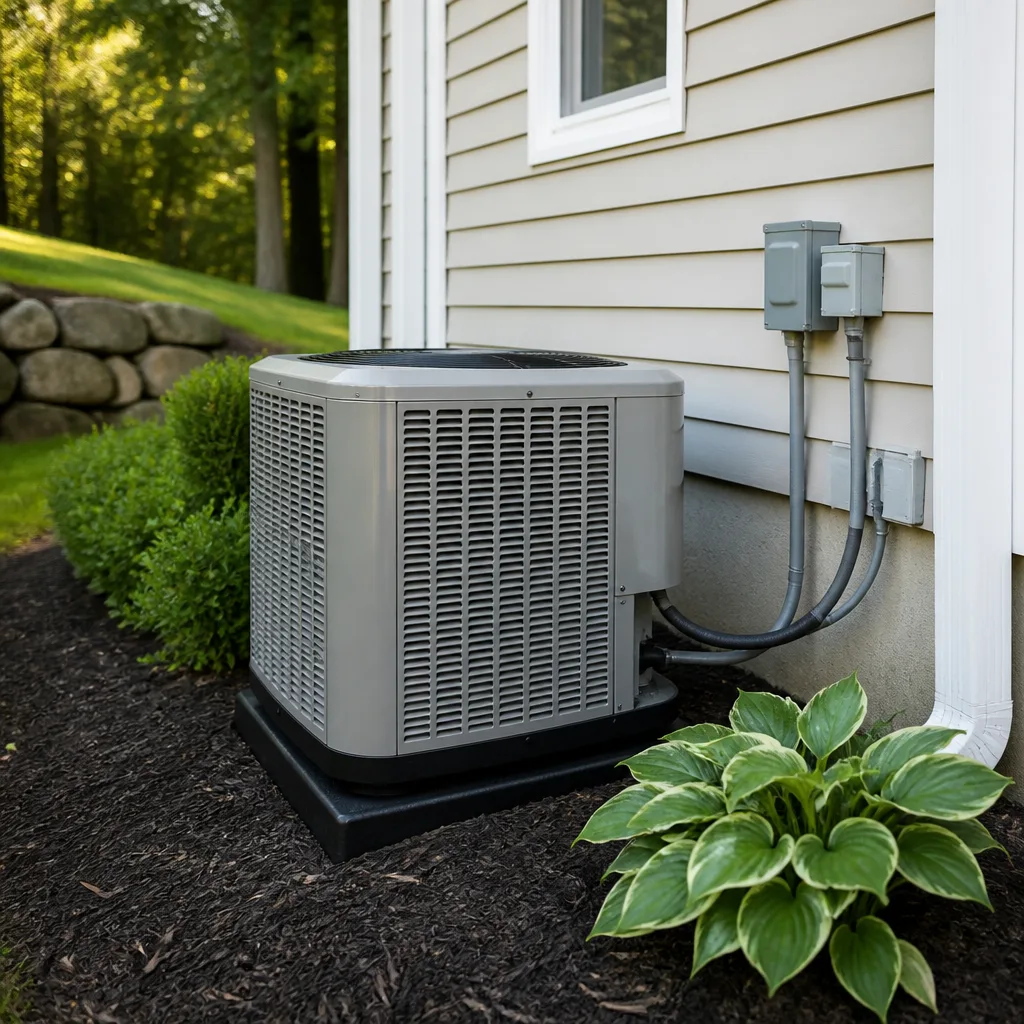 AC repair
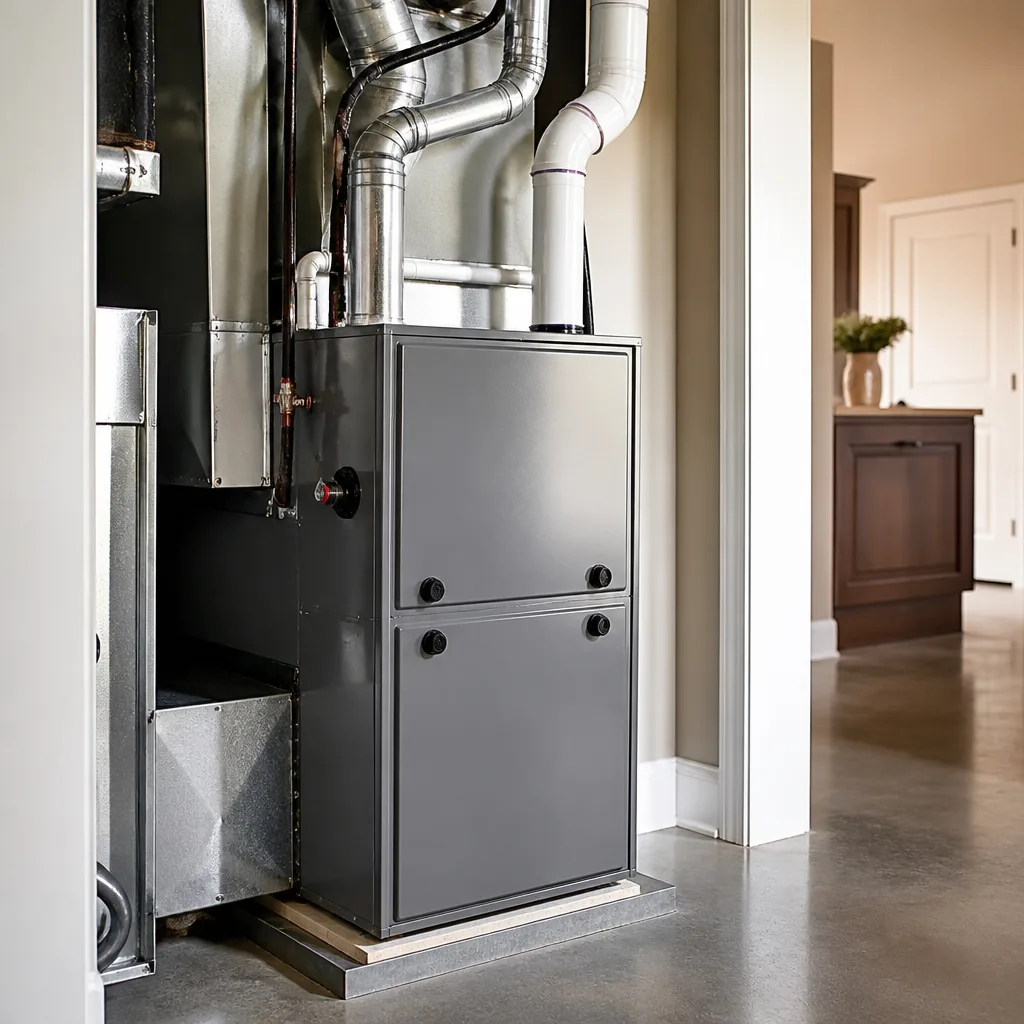 Furnace & heating
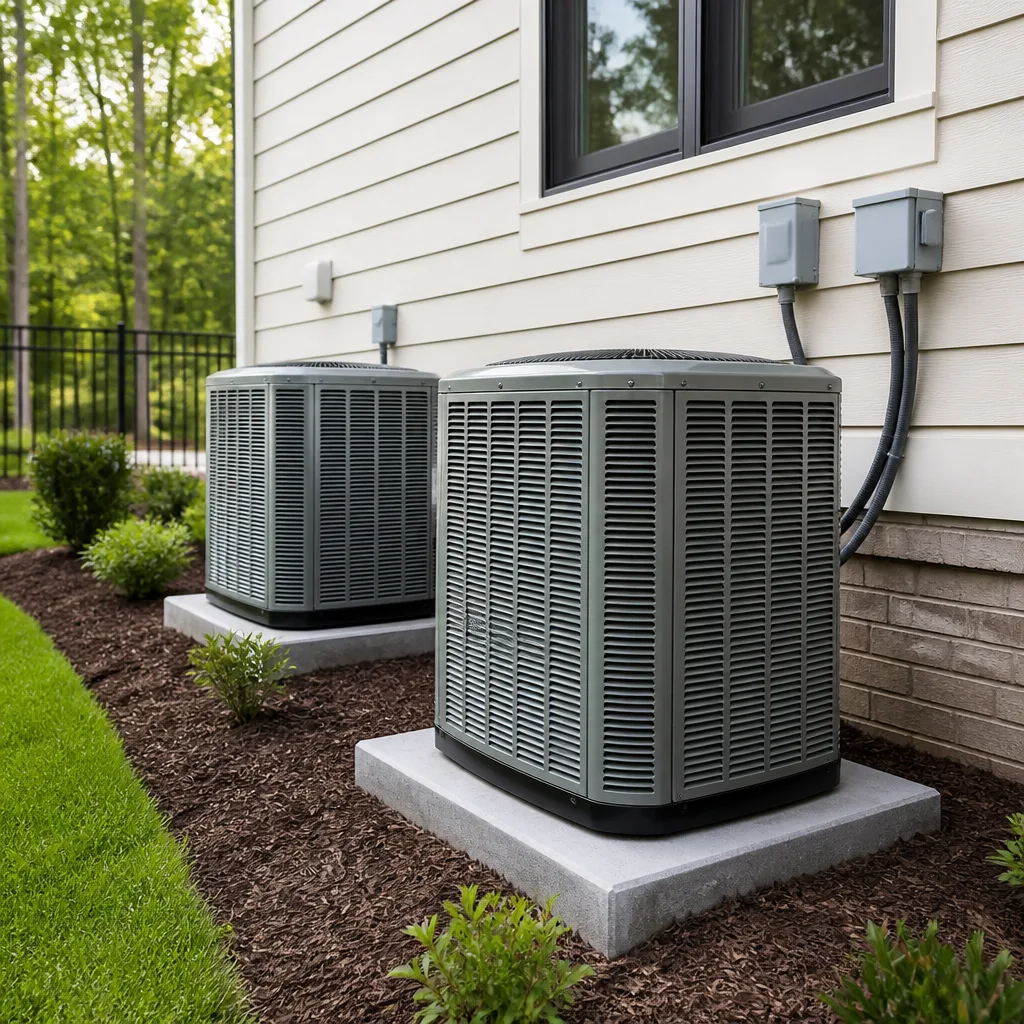 Heat pumps
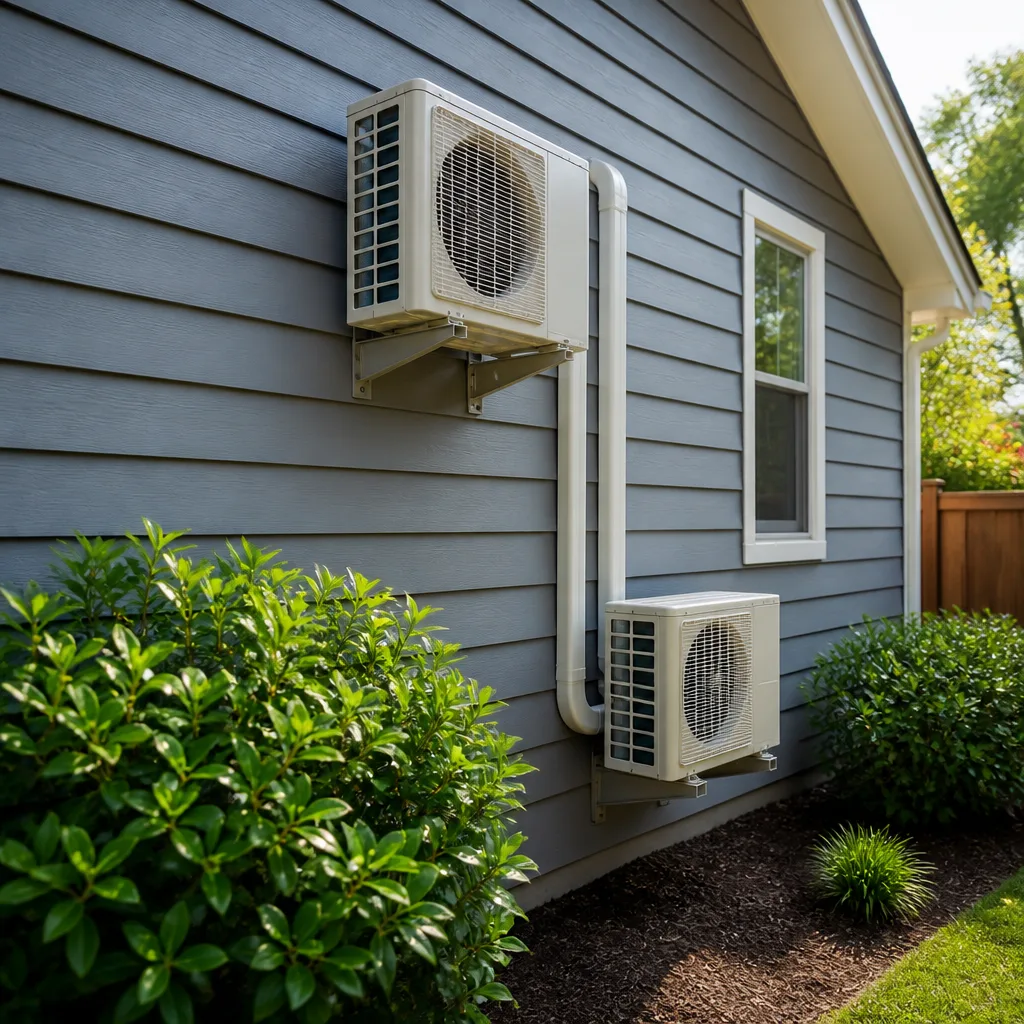 Ductless mini splits
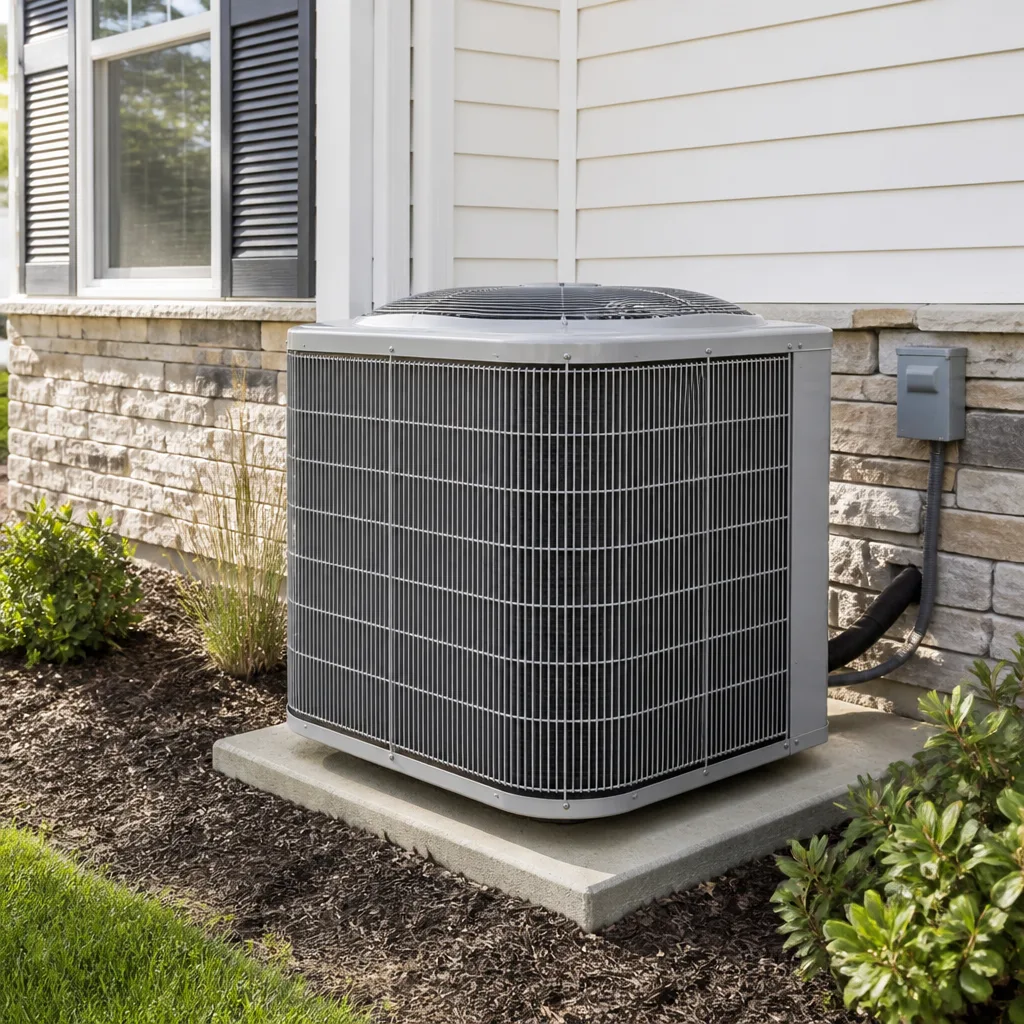 Carrier
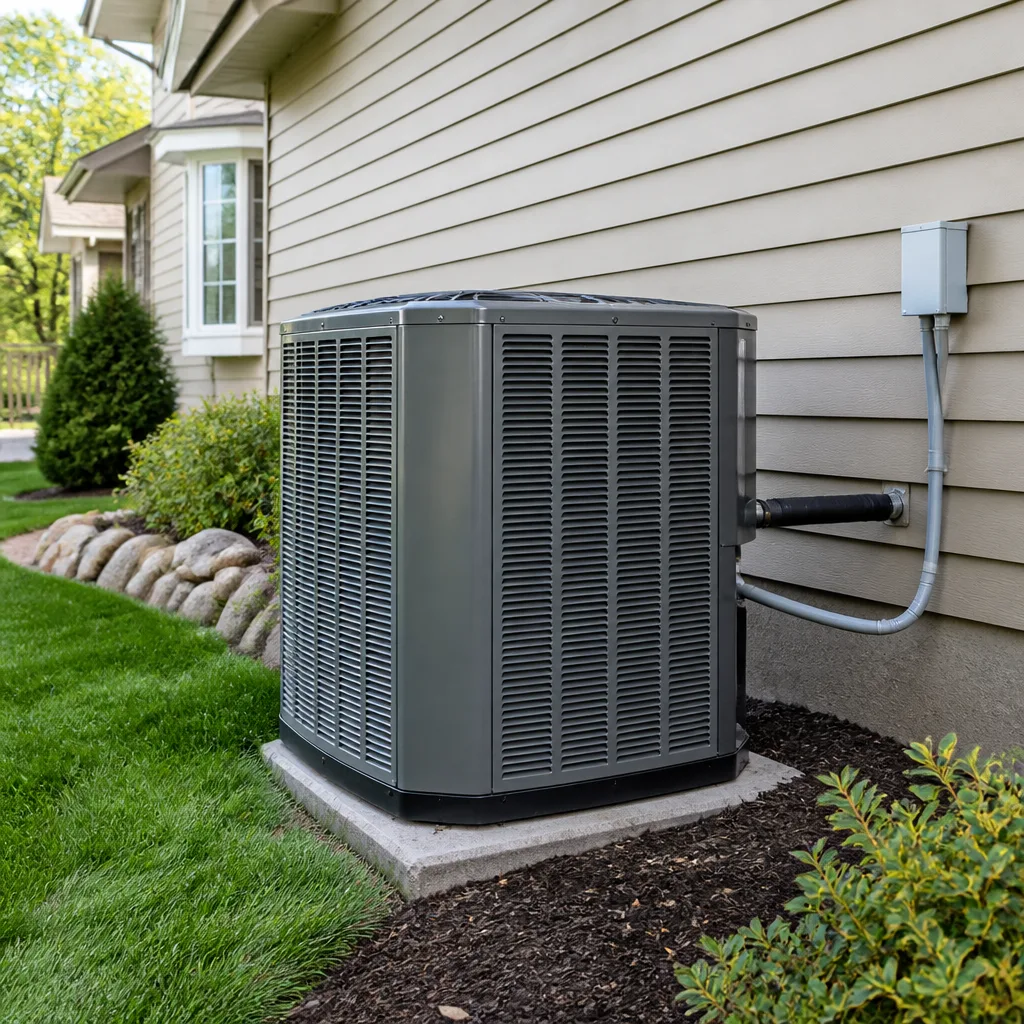 Trane
Trane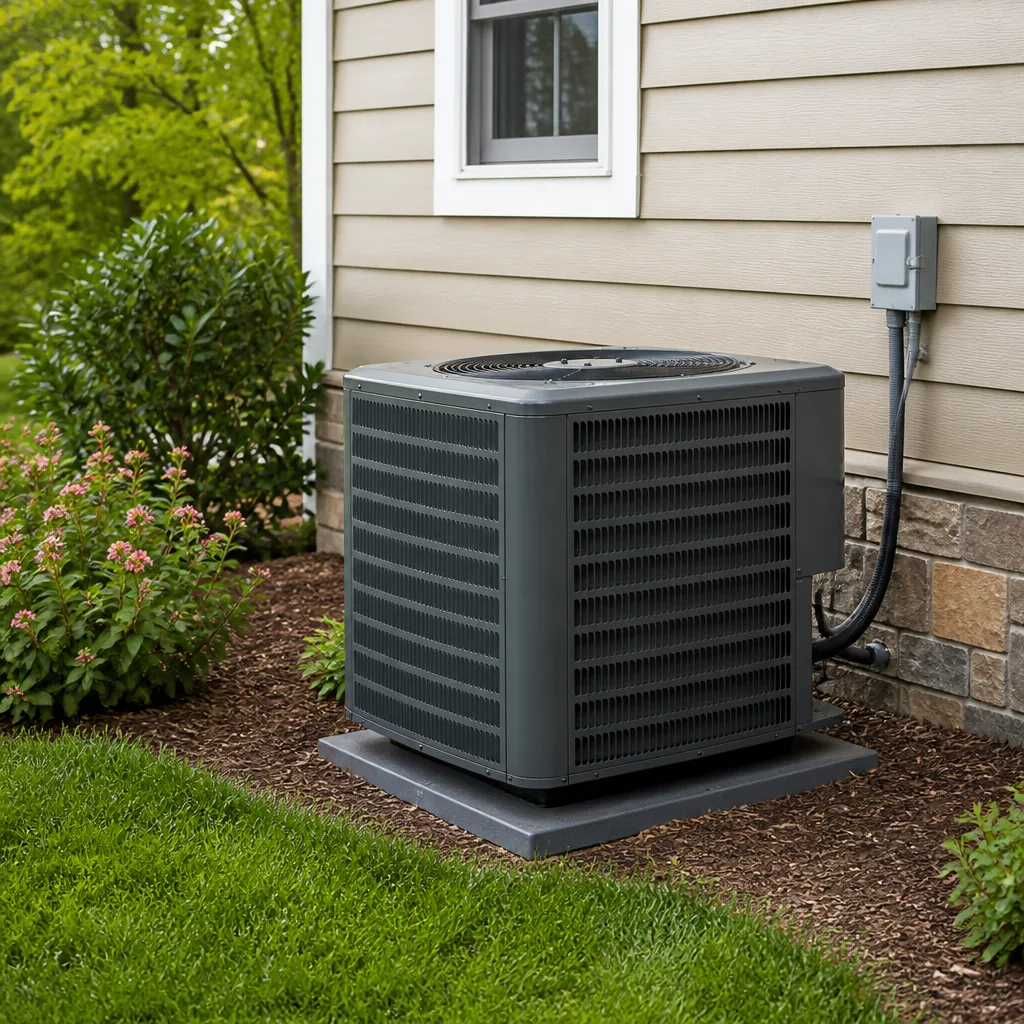 Goodman
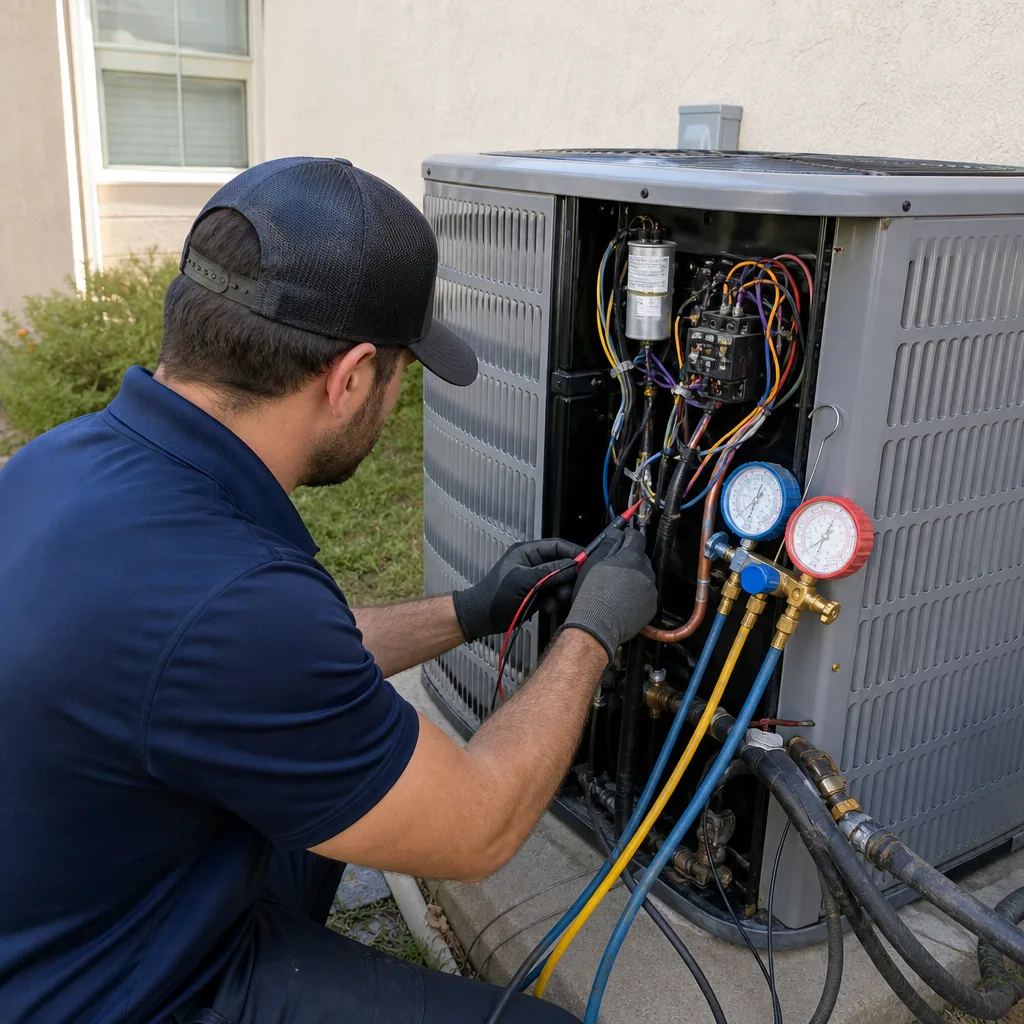
Seasonal tune-up and full diagnostic on your Carrier, Trane, or Goodman system - readings shown to you before any repair is proposed
Diagnosis first, numbers second - you approve the repair price before a single part goes in.
Get your free estimateHow to Hire a HVAC Contractor in Orlando: A Step-by-Step Guide
Florida issues HVAC licenses through the Department of Business and Professional Regulation, but here’s what most Orlando homeowners don’t realize: the person standing in your doorway quoting a $4,800 system replacement may not hold one. Unlicensed operators rent trucks, buy uniforms, and purchase the same review-count software licensed companies use. In 2023, the Florida DBPR took disciplinary action against dozens of unlicensed HVAC contractors operating in the greater Orlando area. This guide gives you the exact five questions to ask, the 90-second verification steps, and the documents that protect you before any work begins, and you can explore more guides & resources for deeper coverage.
Styles & brands we work with
Quick Answer
To hire an HVAC contractor in Orlando, verify their Florida DBPR license online before scheduling, confirm they pull permits on installations, ask for a Manual J load calculation in writing, get an itemized quote before work starts, and require warranty terms in writing. A legitimate Orlando contractor will provide all five without hesitation. Anyone who pushes back on any of these five is telling you something important about how they’ll handle the job.
Table of Contents
- Step 1: Verify the Florida License in Under 90 Seconds
- Step 2: Understand Certified vs. Registered Licenses
- Step 3: Ask About Permits – and Walk Away If They Offer to Skip Them
- Step 4: Require These Four Written Documents Before Work Begins
- Step 5: Evaluate the Load Calculation (Manual J)
- Step 6: Watch for Post-Storm Contractor Surges
- Step 7: Use This Interview Script
- Common Mistakes to Avoid
- When to Call a Professional
- Frequently Asked Questions
- The Bottom Line
Step 1: Verify the Florida License in Under 90 Seconds
Florida law requires HVAC contractors to hold either a state-certified license or a county-registered license to perform work in Orlando. The verification process is faster than reading a review page and far more reliable. Go to the Florida DBPR website, click “Verify a License,” and search by the contractor’s name or license number. Look for “Certified Mechanical Contractor” or “Class A or B Air Conditioning Contractor” as the license type. Then confirm the license status says “Current, Active.” Keep the license number. You’ll want it later for permit applications and warranty registration.
Here’s the step-by-step process, timed:
- Seconds 1-10: Open the Florida DBPR license search page on your phone while the contractor is still on the call or at the door.
- Seconds 11-30: Search by the full business name printed on the quote or truck. If nothing appears, search by the individual’s name.
- Seconds 31-60: Confirm the license type says HVAC-related: Certified Mechanical Contractor, Certified Air Conditioning Contractor, or the registered equivalent for Orange County.
- Seconds 61-90: Check the status field. “Current, Active” is what you want. “Delinquent,” “Revoked,” or “Null and Void” means stop right there.
One nuance Orlando homeowners should know: many companies operate under a doing-business-as name that differs from the licensed entity. The DBPR search will show the licensed name. If the name on the truck is “Sunshine Air Experts” but the license belongs to a different corporation, ask for the connection in writing. Legitimate companies will explain the structure without hesitation. A company that stumbles over this question has something to hide.
We’ve been asked plenty of times whether this level of checking is necessary. In our experience across Orlando neighborhoods from College Park to Lake Nona, the answer is yes. The companies that pass this check in 90 seconds are the same companies that show up on time, pull permits, and stand behind their work. It’s not a guarantee, but it’s the cheapest, fastest filter you have.
Step 2: Understand Certified vs. Registered Licenses
Florida operates a two-tier HVAC licensing system, and knowing the difference changes what you’re protected against. A state-certified contractor passed a statewide exam, holds insurance requirements set by the state, and can work anywhere in Florida. A county-registered contractor is licensed to work only within specific counties, typically Orange, Seminole, Osceola, and Lake for the Orlando metro. Both are legitimate. Neither is automatically better.
What matters more than the tier is the class. In Florida, a Class A air conditioning contractor can work on systems of any size, including large commercial equipment. A Class B contractor is limited to residential systems and smaller commercial units. For a single-family home in Orlando, either class works. For a larger home with multiple zones or a property with a commercial component, you’ll want Class A.
The protection difference comes down to accountability. State-certified contractors report to Tallahassee. County-registered contractors report to the county. If a complaint goes unresolved, the DBPR or county licensing board can suspend the license, demand restitution, or levy fines. A homeowner hiring an unlicensed operator has none of those levers. They have a phone number that stops answering and a civil claim that often costs more to pursue than the original repair.
When you look at the DBPR search result, note the license expiration date. Florida HVAC licenses typically renew every two years. An expired license means the company is operating illegally, and any insurance they carried may not respond to a claim. This matters in Orlando, where the summer cooling load pushes equipment hard and warranty claims are common. You want a contractor whose paper is current before the July heat arrives.
Step 3: Ask About Permits – and Walk Away If They Offer to Skip Them
In Orlando, replacing an air conditioning system requires a mechanical permit from the City of Orlando or Orange County, depending on the property address, and you should understand the full requirements in our HVAC Permits, Codes & Inspections in FL: What You Need to Know. The permit triggers an inspection, which verifies the installation meets Florida Building Code. A contractor who offers to skip the permit is not doing you a favor. They’re transferring legal, financial, and safety risk onto you, the property owner.
What actually happens if you skip the permit:
- Insurance voidance: If a non-permitted installation causes a fire or damage, your homeowner’s insurance policy can deny the claim based on uninspected work.
- Resale complications: Sellers in Florida must disclose unpermitted work. Buyers increasingly order permit searches before closing. An undisclosed non-permitted HVAC system can kill a sale or force a price concession.
- Code violations: An inspector may require the system to be brought up to code at your expense before the property can transfer.
- Safety risks: Improperly installed flue venting on a gas furnace can leak carbon monoxide. Improper refrigerant line connections leak. Permits exist because these failures are real and common.
A legitimate Orlando contractor will include the permit fee as a line item on the quote and file the permit application before work starts. You should receive the permit application number. If you look up that number and the permit was never pulled, stop work and call the contractor. If they won’t pull it, call someone else. The equipment can sit in your garage for a few days. That’s better than living with an uninspected system for 15 years.
Our standard is straightforward: every AC installation we do in Orlando gets a permit, every time. No exceptions, no “for cash” discounts, no workarounds. If a contractor suggests otherwise, that’s not a discount. That’s a liability you’re buying.
Step 4: Require These Four Written Documents Before Work Begins
Orlando homeowners often make hiring decisions on spoken reassurances. The problem is that spoken reassurances don’t hold up when something goes wrong. Written documents do. Before any equipment is ordered or any work begins, you should have four things in writing from your HVAC contractor.
- The itemized quote: Equipment make and model number, SEER2 rating, condenser and air handler details, line set length, thermostat model, pad or stand type, electrical disconnect, permit fee, and labor. If the quote says “AC replacement – $6,800” without breaking out those items, ask for the line items. A contractor who can’t itemize a quote probably can’t itemize what went wrong with your system either.
- The permit application number: This proves the permit was actually filed, not just promised. You can verify it with the City of Orlando or Orange County permitting office.
- The warranty terms in writing: Equipment manufacturer warranty (typically 10 years on the compressor for most brands, including Lennox and Rheem), the contractor’s labor warranty, and any extended coverage. Ask specifically what voids the warranty. Missed annual maintenance, non-licensed repairs, and improper installation all commonly void coverage.
- The background-check disclosure: This is the one most Orlando homeowners never ask for, and it’s the one that matters most when you’re letting strangers into your home with kids and pets. Ask whether technicians are background-checked, whether they wear uniforms so you can identify them at the door, and whether the company carries worker’s compensation insurance for its employees.
In our experience, the companies that provide these four documents without prompting are the same companies that clean up after themselves and stand behind their work. The ones that push back on any of them are telling you how they’ll handle problems later. Document discipline is a proxy for work discipline.
Step 5: Evaluate the Load Calculation (Manual J)
A Manual J load calculation is the single most important technical step in any HVAC installation, and it’s the step most commonly skipped or faked in the Orlando market. Manual J measures the heating and cooling load of your specific home: square footage, ceiling height, window orientation, insulation levels, air leakage, number of occupants, and local climate data for Orlando’s specific heat and humidity profile. The output determines exactly what size system your home needs.
A proper Manual J takes 60 to 90 minutes to perform correctly. It requires measuring every room, checking window sizes and direction, inspecting attic insulation depth, evaluating duct condition, and inputting the data into ACCA-approved software. Any contractor who sizes equipment in under ten minutes is guessing. In Orlando, where the cooling load dominates and humidity is a real factor, an oversized system short-cycles, leaves the air clammy, and costs more to run, as detailed in our HVAC Cost Breakdown: The Orlando Homeowner’s Reference for 2026. An undersized system runs constantly and still can’t hold a comfortable temperature in August.
Ask the contractor this directly: “Will you perform a Manual J before recommending equipment size, and will you show me the output?” Listen for the answer. A legitimate contractor will say yes and explain the process. A contractor who wants to size by square-footage rules of thumb (“about one ton per 500 square feet”) or by matching the existing system (“I’ll put in the same size you had”) is not performing a load calculation.
In Orlando, switching from a 3-ton to a 2.5-ton system might seem like a downgrade on paper, but when the Manual J runs against your actual house, it can be the difference between an 18-minute cooling cycle and a 7-minute one. The shorter cycle doesn’t remove humidity. You’ll feel the difference in May, when the temperature is only 88 but the house feels sticky all day. Good sizing is a comfort issue, not just an efficiency issue. And the only way to size correctly is to measure. AC Installation in Orlando done right always starts with the load calculation, not the equipment catalog.
Step 6: Watch for Post-Storm Contractor Surges
Orlando sits in hurricane territory. Every time a major storm passes through Central Florida, a wave of out-of-state contractors follows. They rent warehouses, wrap trucks with temporary vinyl, buy local phone numbers, and advertise aggressively on social media. Many are licensed in their home states. Few are properly licensed in Florida. Some are carrying expired credentials from other jurisdictions and hoping nobody checks.
The red flags specific to Orlando’s post-storm market:
- Out-of-state plates on the truck combined with a local phone number. A properly licensed Florida contractor operates with Florida plates, Florida insurance, and a Florida license number on the vehicle.
- “No permit needed for this repair” language. Storm-chasing operators avoid permits because permits create a paper trail. In Orlando, a compressor replacement following a lightning strike still requires a permit if the replacement changes the system or the electrical connection.
- Cash-only or large-deposit demands. Legitimate companies surviving a storm season don’t need your entire project cost upfront. A 30 to 50 percent deposit is normal. One hundred percent upfront is a signal the company has no working capital and may not exist in 60 days.
- Stacked reviews in a short window. If a company that didn’t exist three months ago suddenly has 80 five-star reviews, check the dates. Review bursts correlate with paid campaigns, not steady work.
- No local physical address. A legitimate Orlando contractor has a shop, a parts inventory, and a place you can visit. A P.O. box is not a place.
After Hurricane Ian in 2022 and subsequent storms, the Florida DBPR reported a measurable increase in unlicensed activity complaints across Central Florida. The pattern repeats after every storm. If your system failed during a weather event and you’re getting quotes in the aftermath, slow down just enough to run the DBPR check and ask for the local address, and watch for the HVAC Warning Signs: A Orlando Homeowner’s Reference Guide. A genuine Orlando contractor will pass both without blinking.
Step 7: Use This Interview Script
The questions below are designed to be asked in order, either on the phone before scheduling or during the in-home estimate. You don’t have to read them word for word. The goal is to see whether the contractor answers directly or deflects. Direct answers are the signal. Deflection is the signal too.
- “What is your Florida HVAC license number? I’d like to verify it before we schedule.” A licensed contractor will provide the number. An unlicensed one will change the subject or get defensive.
- “Will you be pulling a permit for this work, and can you confirm that in the written quote?” The answer must be yes, with the permit fee itemized. Any variation of “we can do it without one” means end the conversation.
- “Do you perform a Manual J load calculation before recommending equipment, and will you show me the results?” A yes with explanation is correct. A quick yes with no follow-through plan is suspicious. A no is disqualifying.
- “Are your technicians background-checked and uniformed? Will they wear shoe covers inside the house?” This tells you how the crew will treat your floors and your family. In our experience, the answer predicts how the job site looks at the end of the day.
- “What warranty do you provide in writing, and what voids it?” A confident contractor answers this without pausing. A vague answer means vague coverage.
- “What’s your process if something isn’t done right after installation?” This is the question that separates companies that sell installations from companies that stand behind them. Listen for a specific process, not a vague reassurance.
We heard a version of this script used by homeowners in Winter Park and Baldwin Park who’d been burned before. They don’t ask these questions to be difficult. They ask them because each question connects to a failure mode they’ve experienced: surprise change orders, skipped permits, wrong-sized equipment, unverified strangers in the house, warranty pushback. You’re not being difficult either. You’re being informed.
Common Mistakes to Avoid
- Hiring based on review count alone. Unlicensed operators buy review campaign services just like licensed companies. Verify the license, then read reviews for themes about cleanup, respect for the home, and warranty follow-through.
- Accepting an “off the books” discount. Skipping a permit to save $300 sounds attractive until an insurance claim is denied or a home sale falls apart. The math never works out in the homeowner’s favor.
- Replacing equipment without a Manual J. In Orlando’s humidity, an oversized system is a comfort problem, not just an efficiency problem. Short cycles leave clammy air. Verify the load calculation before signing.
- Not asking for the warranty in writing. Spoken warranty promises evaporate. Ask for written terms including what voids coverage, and read it before work starts.
- Paying the full project cost upfront. Standard practice is a deposit, not the full amount. Companies demanding full payment upfront often have cash-flow problems that become your problem.
- Hiring the first company that answers after a storm. Post-storm surges bring out-of-state operators. Run the DBPR check, require the local address, and ask for the license number.
- Ignoring how the crew will treat the house. Shoe covers, drop cloths, cleaning up the job site, and respecting quiet hours during nap time or school hours aren’t luxuries. They’re signs of a company that treats your home like a home. Meadowsweet Heating and Air Orlando home guidance is built around this principle.
When to Call a Professional
Some HVAC tasks are genuinely DIY-adjacent, like changing a return filter or clearing a condensate drain line with a wet-dry vac. Most are not. If you’re dealing with refrigerant, electrical connections, gas lines on a furnace, or anything involving the compressor or condenser, call a licensed professional. Refrigerant handling in Florida requires an EPA Section 608 certification. Electrical work tied to the HVAC system must meet Florida Building Code. Gas furnace repairs involving the heat exchanger, burner assembly, or flue venting carry carbon monoxide risks that no homeowner should take on without training.
In Orlando’s summer heat, a failed cooling system isn’t just uncomfortable. For elderly residents, infants, and people with respiratory conditions, a 90-degree indoor temperature is a health issue. AC Repair in Orlando is a same-day service in most cases when you’re working with a contractor that has local parts inventory and live phone support. Furnace Repair in Orlando, while less urgent in the Orlando climate, still matters on the cold nights we do get. Meadowsweet Heating and Air Orlando offers free estimates in Orlando. Call (850) 845-8659 and a live person will answer around the clock.
Frequently Asked Questions
Search the contractor’s business name or license number on the Florida DBPR website under “Verify a License.” Confirm the license type is Mechanical or Air Conditioning, the status is “Current, Active,” and the expiration date is in the future. The process takes under 90 seconds and is the single most important hiring step.
A state-certified contractor passed the Florida state exam and can work anywhere in the state. A county-registered contractor is licensed to work in specific counties, typically the ones within the Orlando metro. Both are legitimate when active and current. The class matters more for residential work: Class A covers all sizes, Class B covers residential and smaller commercial systems.
AC replacement and installation in Orlando requires a mechanical permit from the City of Orlando or Orange County. The permit triggers a post-installation inspection verifying code compliance. The permit fee should appear as a line item on your quote, and you should receive the application number before work begins.
A proper Manual J takes 60 to 90 minutes to perform correctly. It requires measuring every room, evaluating window orientation and insulation, and inputting the data into ACCA-approved software. Any contractor who sizes equipment in under ten minutes is not performing a real load calculation.
You should receive four written items: an itemized quote with equipment model numbers and line items, a permit application number, warranty terms in writing including what voids coverage, and a disclosure confirming technicians are background-checked and insured.
In Orlando, a full system replacement including condenser, air handler, thermostat, permits, and installation typically ranges from $6,500 to $12,000 depending on home size, efficiency rating, and the brand chosen. Equipment from brands like Lennox, Goodman, and Rheem covers a broad range within that band. For an exact quote based on a Manual J load calculation, call (850) 845-8659. Estimates are free.
The Bottom Line
Hiring an HVAC contractor in Orlando comes down to five questions you can ask in five minutes: What’s your license number? Will you pull a permit? Will you run a Manual J? Will you itemize the quote in writing? What’s your written warranty? The answers separate companies that treat your home like a job site from companies that treat it like a home. Verify the license in 90 seconds on the DBPR website. Require the permit. Refuse to skip the load calculation. Get everything in writing. And when the job is done, look at the floors. The company that left them clean is the company that cared about the rest of the work too. If you’re in Orlando and want a written price before any work starts, call (850) 845-8659 for a free estimate.
Written by Luis Serrano, Owner at Meadowsweet Heating and Air Orlando, serving Orlando since 2004.
See the difference
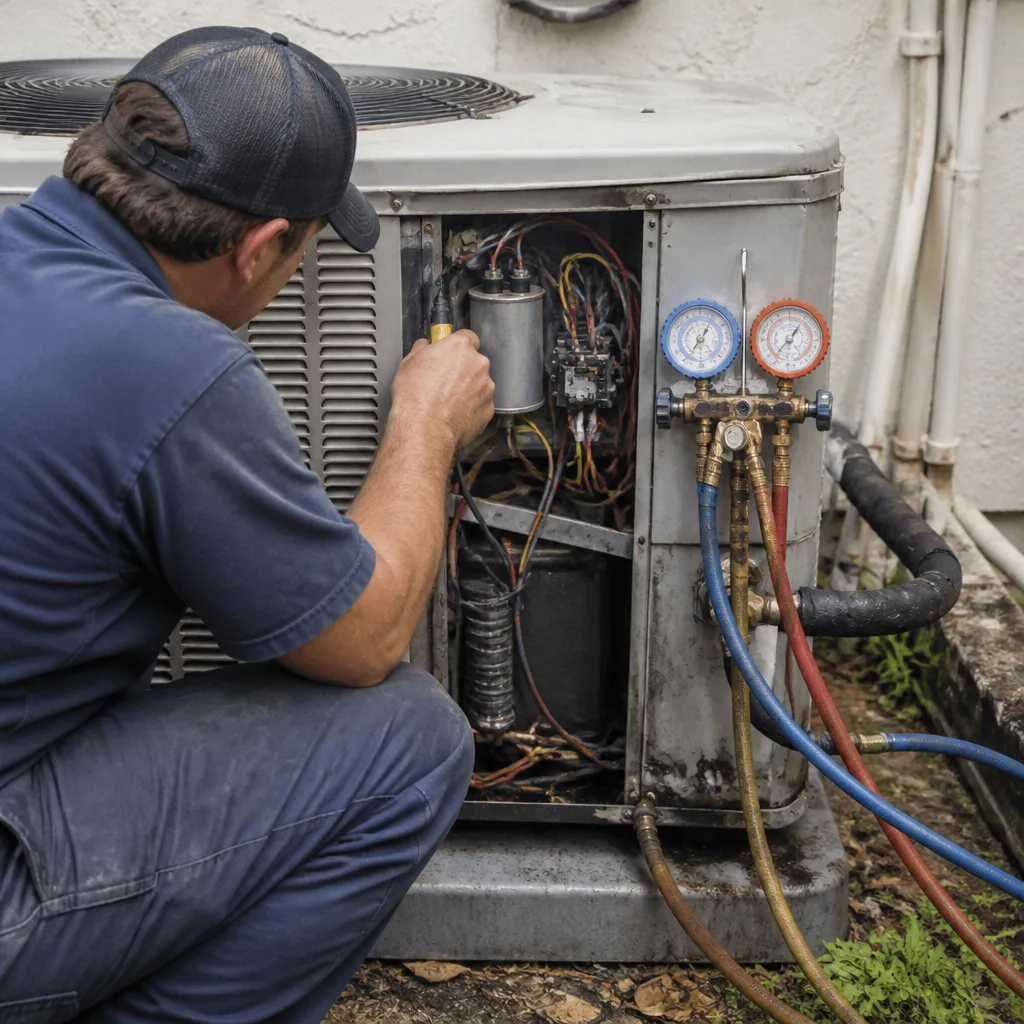 Before
 After
After Before
 After
After Before
 After
After