
Last updated October 16, 2026
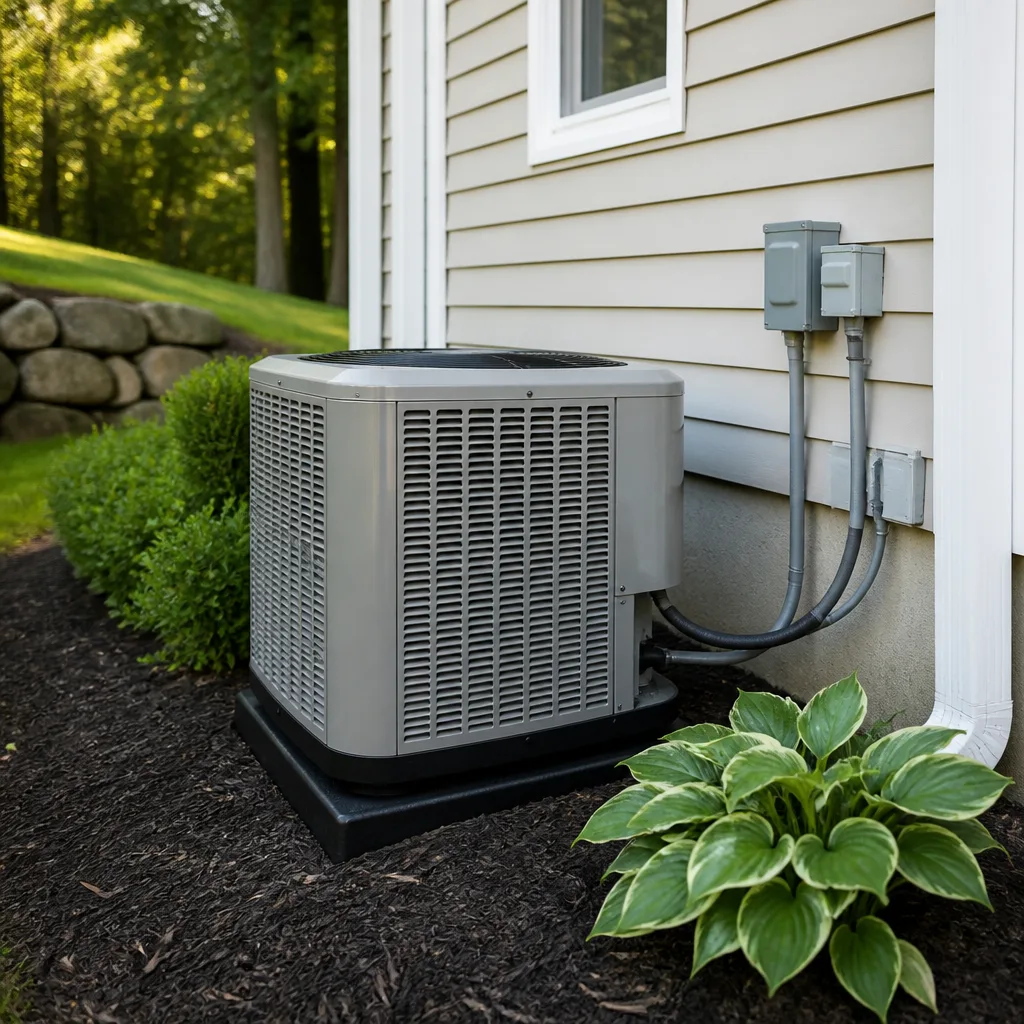 AC repair
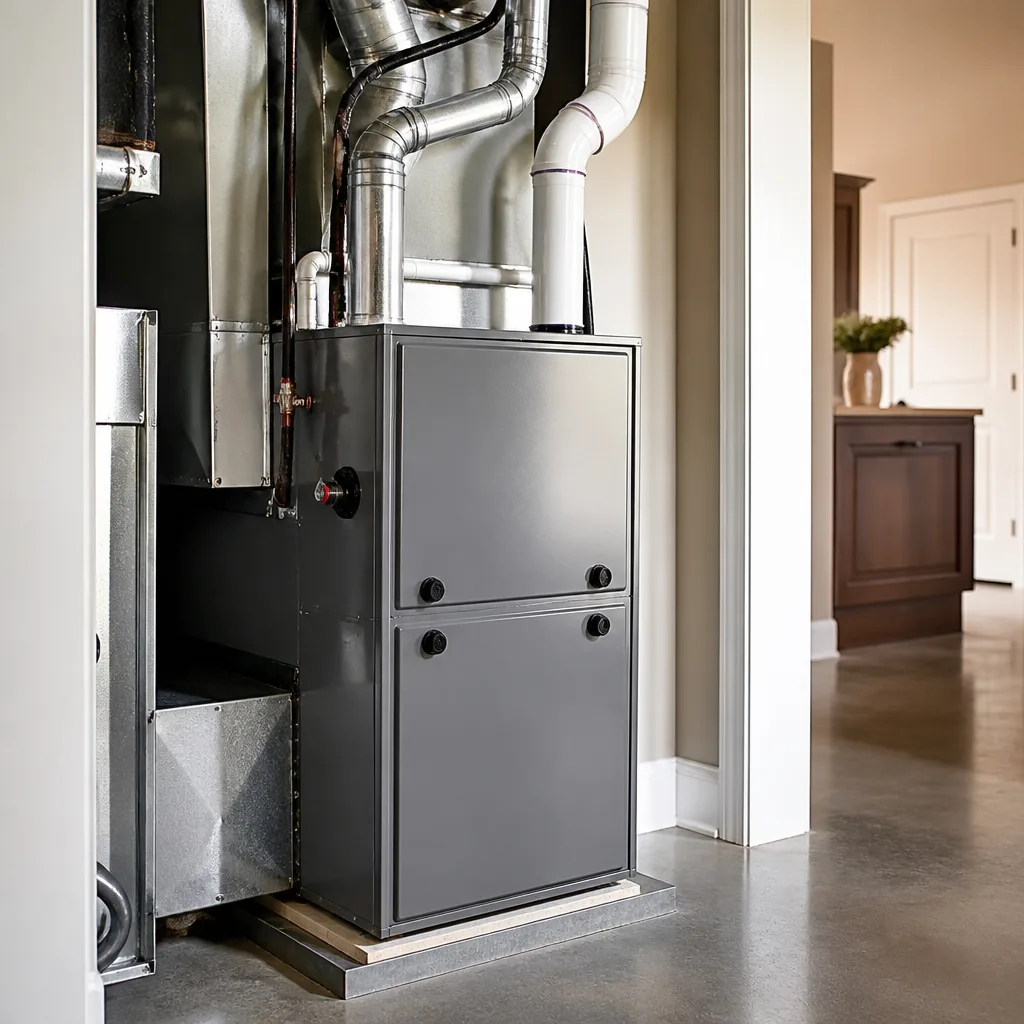 Furnace & heating
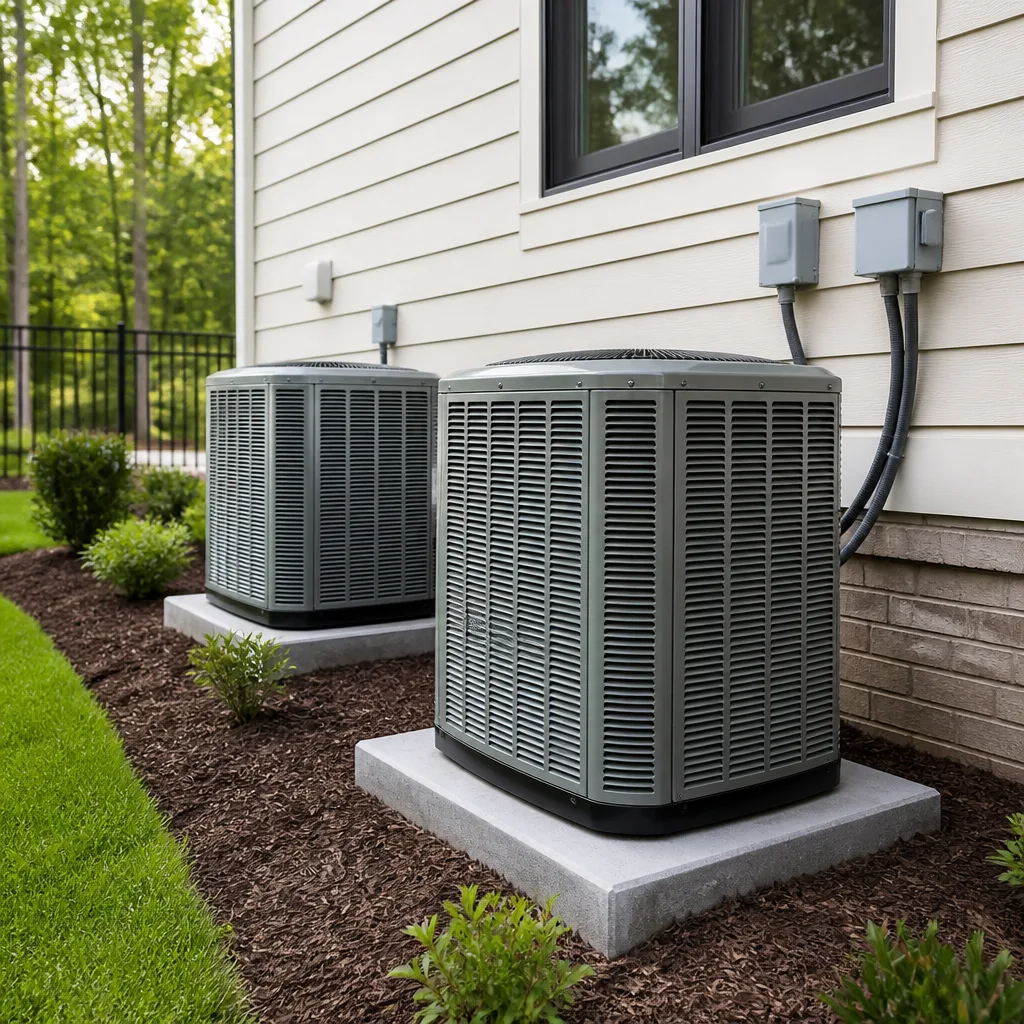 Heat pumps
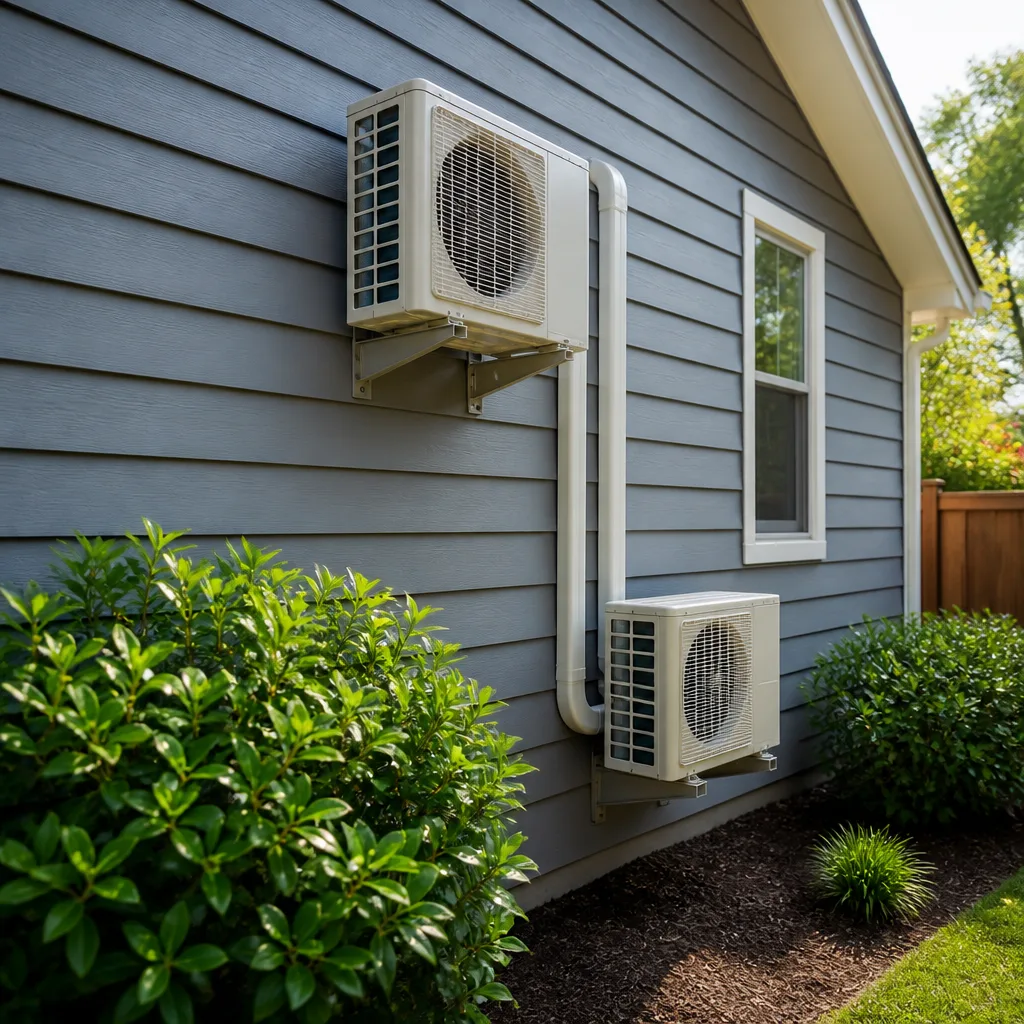 Ductless mini splits
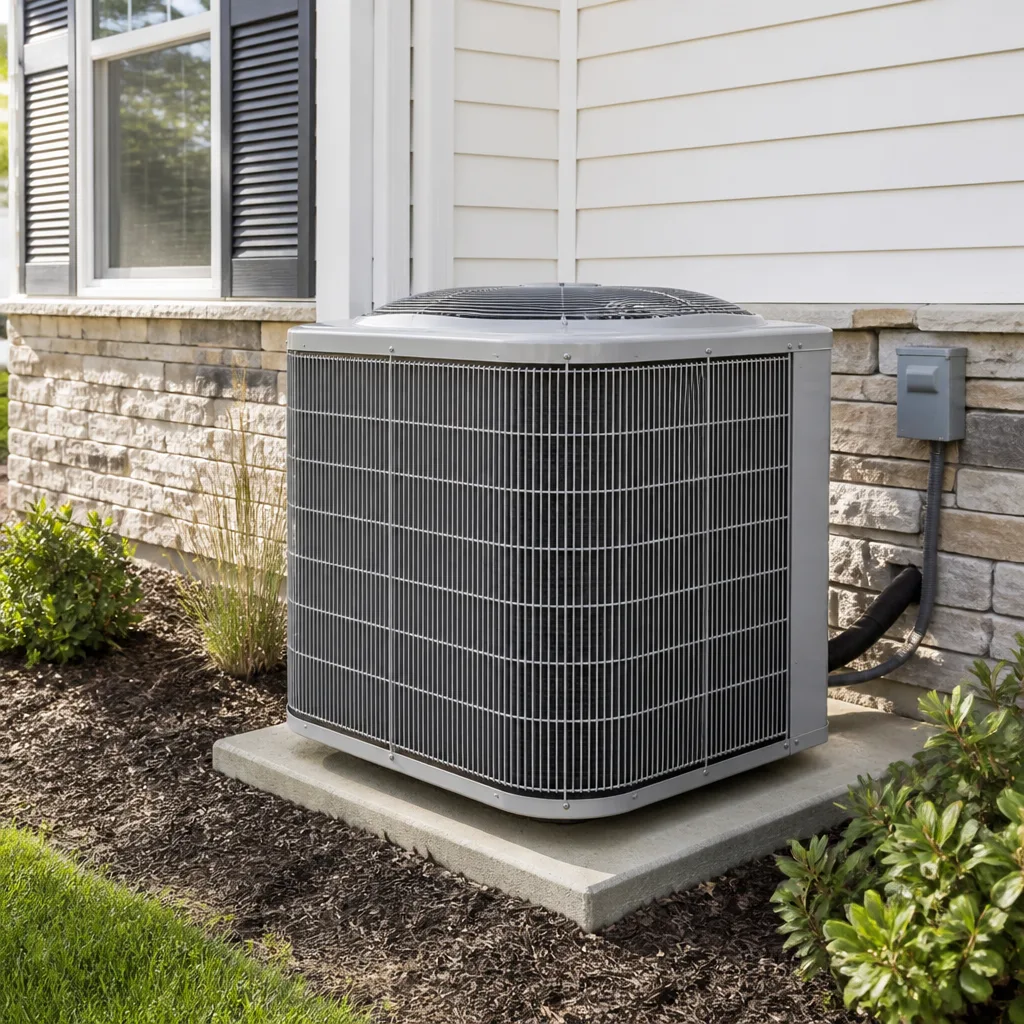 Carrier
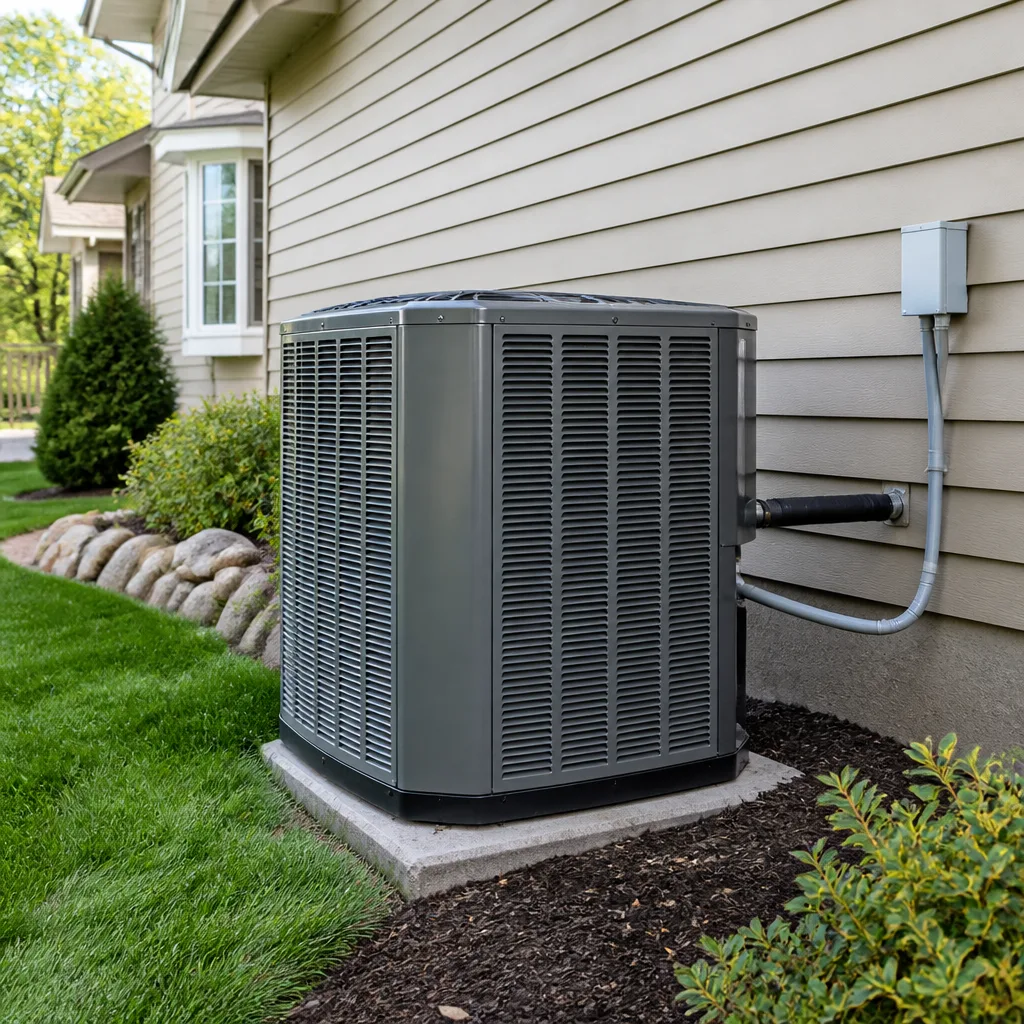 Trane
Trane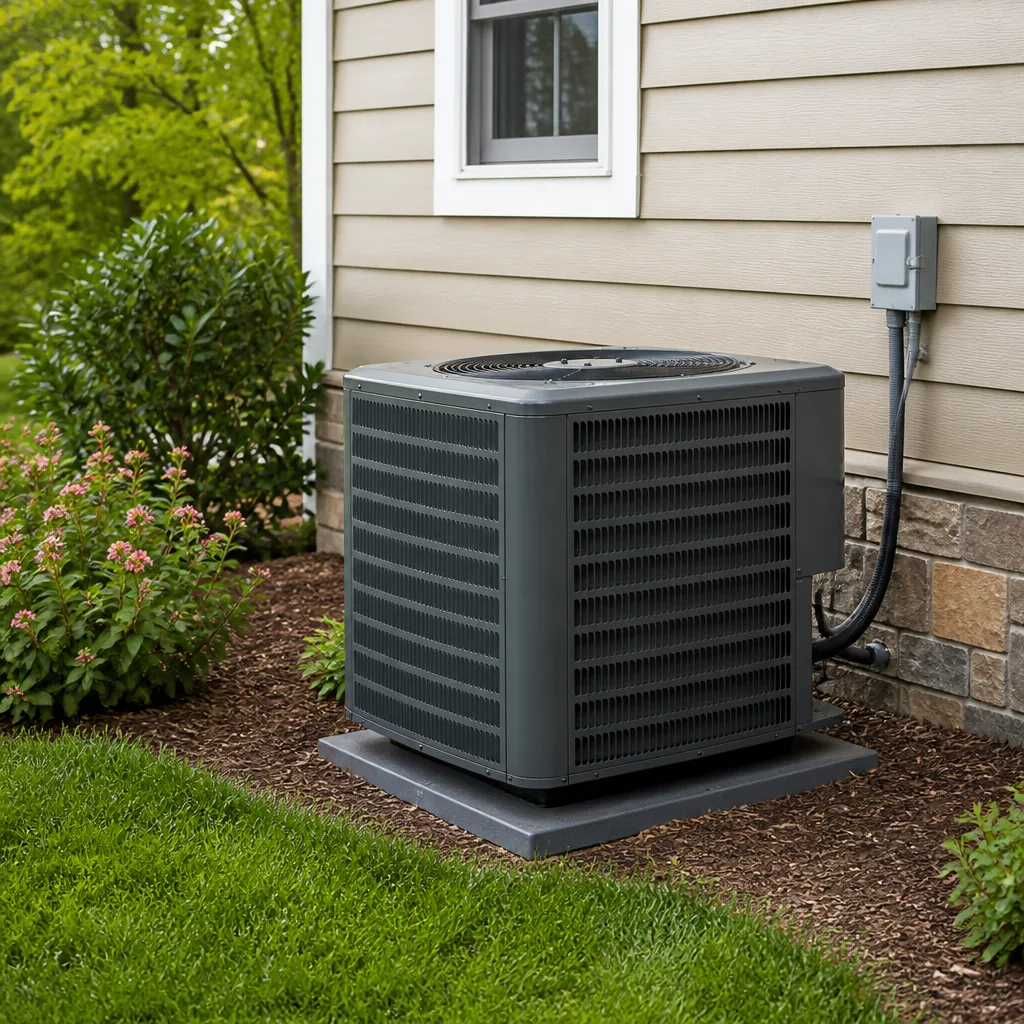 Goodman
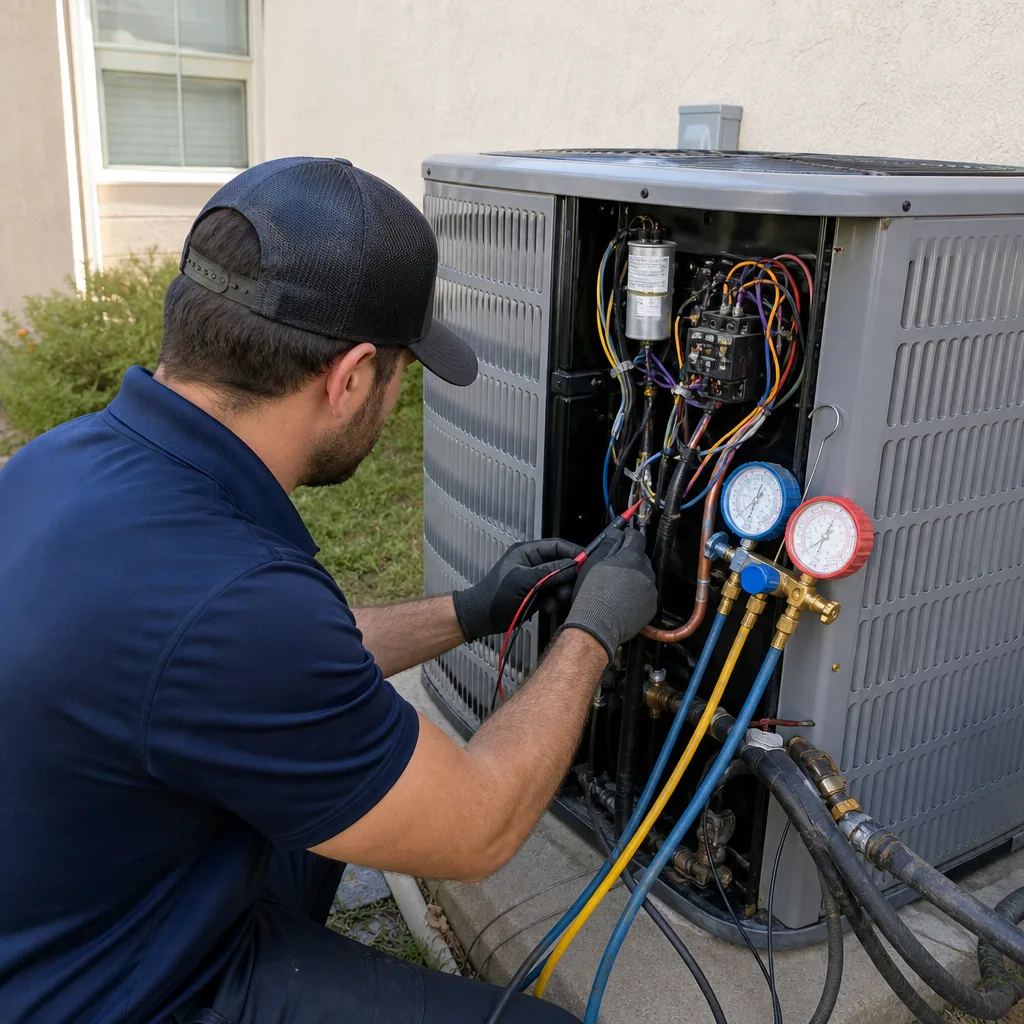
Seasonal tune-up and full diagnostic on your Carrier, Trane, or Goodman system - readings shown to you before any repair is proposed
Diagnosis first, numbers second - you approve the repair price before a single part goes in.
Get your free estimateHVAC Permits, Codes & Inspections in FL: What You Need to Know
In Orange County, a homeowner who sells a house with an unpermitted HVAC system is legally required to disclose it – and if they don’t, the buyer can come back after closing. That’s a consequence most people don’t know about when they agree to let a contractor “skip the paperwork to save time.” What feels like a shortcut on a Tuesday becomes a $8,000 negotiation chip against you three years later at the closing table. Most Orlando HVAC guides skip the permit topic entirely because it’s inconvenient to explain. This one won’t. By the time you finish reading, you’ll know exactly which jobs need a permit in Orlando, what inspectors look for, what a permit costs in real dollars, and how to check whether your own home already has an open or expired HVAC permit sitting on file.
Quick Answer
In Florida, any HVAC work that involves replacing equipment, moving equipment, or modifying ductwork requires a permit. In Orlando specifically, that means mechanical permits through the Orange County, Osceola County, or Seminole County Building Division depending on your address. A like-for-like AC condenser or air handler swap costs roughly $80 to $200 in permit fees across central Florida and takes 1 to 5 business days from application to inspection, assuming the work passes the first time. Skipping the permit risks voiding your homeowner’s insurance claim, triggering mandatory seller disclosure, and failing a municipal resale inspection-issues covered in our seasonal HVAC care guide for Orlando.
Styles & brands we work with
Table of Contents
- Which HVAC Jobs Require a Permit in Orlando?
- What’s Different Across Orange, Osceola, and Seminole Counties
- Florida Building Code Section 13: What It Actually Says
- How the Orange County Inspection Process Works, Step by Step
- What an HVAC Permit Costs in Orlando: Line by Line
- What Your Insurance Policy Says About Unpermitted Work
- How to Look Up Your Home’s Permit History Yourself
- Common Mistakes to Avoid
- When to Call a Professional
- Frequently Asked Questions
Which HVAC Jobs Require a Permit in Orlando?
Here’s the short version: if a technician touches refrigerant lines, electrical disconnects, gas piping, or ductwork, the job triggers a permit in Orlando. That covers the overwhelming majority of real HVAC work. Here’s the specific list, so you’re not guessing when a contractor tells you one thing and the building department says another.
- Replacing an AC condenser or heat pump outdoor unit: permit required, always. This involves refrigerant evacuation and electrical reconnection.
- Replacing an air handler or furnace: permit required. This is not “just a box swap” – it involves electrical, condensate drain, and often gas line work.
- Full system replacement (condenser, coil, and air handler together): permit required. This is actually the most common Orlando residential HVAC job, especially in neighborhoods where original equipment from the early 2000s is reaching end of life.
- Ductwork replacement or significant modification: permit required. Moving a supply register six inches? Maybe not. Replacing a collapsed return trunk in a 1970s Winter Park ranch? Yes.
- Adding a mini-split system: permit required. Even though the outdoor unit sits on a pad and the indoor unit mounts on a wall, the refrigerant line set and electrical circuit both require inspection.
- Repairs that do NOT require a permit: capacitor replacement, contactor replacement, thermostat swaps, drain line clearing, and refrigerant top-off (though repeated top-offs suggest a leak that would trigger repair work requiring a permit once the leak is located and fixed at the component level).
In our experience in Orlando, the confusion usually comes from two places. First, some contractors tell homeowners that a “like-for-like” replacement – same size, same tonnage, same location – doesn’t need a permit. That is not correct in Orange County. Like-for-like replacements still require a permit; they simply may not require a full plan review. Second, homeowners assume that if the contractor is licensed, the permit is handled automatically. That’s partially true – a licensed contractor should pull the permit – but the homeowner is ultimately named as the responsible party on the permit application, and if a contractor walks off a job without closing the permit, the lien search at sale time lands on the homeowner’s title, not the contractor’s.
One more practical note: if a contractor offers to do a full system replacement without a permit and frames it as “saving you money,” the permit fee they’re forfeiting is under $200 in most Orlando municipalities. A contractor willing to cut that corner is telling you something about which other corners they’ll cut. The permit is cheap insurance against a failed inspection, an insurance denial, and a closing-table problem.
What’s Different Across Orange, Osceola, and Seminole Counties
Orlando addresses span three counties. A house in Dr. Phillips, College Park, or Audubon Park falls under Orange County or the City of Orlando. A house in Celebration or Poinciana falls under Osceola. A house in Oviedo or Lake Mary falls under Seminole. The rules are broadly similar because all three counties follow the Florida Building Code, but the enforcement culture and inspection logistics differ enough to matter.
Orange County and City of Orlando
The City of Orlando has its own Building Division, and homes inside city limits follow city permitting. Homes in unincorporated Orange County follow the county’s Division of Building Safety. In practice, both require a mechanical permit for HVAC work, both require a final inspection, and both allow licensed contractors to apply online. Inspection wait times in Orange County are typically 1 to 2 business days after the contractor calls in the rough or final inspection request.
Osceola County
Osceola County requires permits for the same scope of work but is slightly more aggressive about requiring load calculations to be submitted with the permit application for full system replacements. That’s not a bad thing – a load calc protects you from a contractor selling an oversized system on the theory that “bigger is better.” In Osceola, expect inspection turnaround of 1 to 3 business days.
Seminole County
Seminole County requires mechanical permits and, like Orange, processes them through an online portal. One difference we’ve noticed: Seminole inspectors are more likely to flag secondary issues like improper condensate drain termination or missing lockout caps on disconnects. Those are small corrections, but they can add a day to the process if not caught before the first inspection.
If you’re not sure which county governs your address, the simplest check is the Orange County Property Appraiser’s website for Orange County homes, or the relevant appraiser site for Osceola and Seminole. Your address record will state the municipality or unincorporated county jurisdiction. Alternatively, the contractor pulling your permit will identify this automatically as part of the application.
Florida Building Code Section 13: What It Actually Says
Florida Building Code Chapter 13 governs energy efficiency for buildings, and Section 13 specifically covers HVAC equipment. The part that matters to Orlando homeowners replacing a system is this: any new or replacement residential cooling system installed in Florida must meet current federal minimum efficiency standards, and as of January 1, 2023, that means SEER2 ratings apply in the Sunshine State’s climate zone.
Here’s what that translates to in dollars and decision-making:
- Minimum SEER2 for split-system air conditioners in Florida: 14.3 SEER2, up from the old 14.0 SEER standard that applied before 2023. If a contractor installs old-stock 14 SEER equipment after the transition date, the inspection should not pass.
- Minimum SEER2 for heat pumps: 14.3 SEER2 as well, though many Orlando homeowners choose 15 to 16 SEER2 for better humidity control. That’s a real consideration in Florida’s climate, not a luxury feature – higher-efficiency systems run longer at lower stages, which pulls more moisture from air that stays humid from May through October.
- Minimum HSPF2 for heat pump heating mode: 7.5 HSPF2. For Orlando winters, that’s more than adequate, but it matters if you’re cross-shopping equipment.
- Duct leakage testing: when ductwork is replaced or significantly modified, the Florida Building Code requires a duct leakage test showing no more than 4 cubic feet per minute of leakage per 100 square feet of conditioned floor area. This is a real test with a real machine, not a visual pass.
If you’re replacing a system in an older Orlando home – say a 1970s block house in Conway or a 1980s frame house near Semoran – the inspector may require that the contractor address obvious code violations in the existing mechanical setup as a condition of passing the new system’s inspection. Common ones include undersized electrical disconnects, missing secondary condensate pans, and improperly supported duct runs. Those corrections can add a few hundred dollars to the job, but they’re not optional if the inspector flags them.
This is where working with an AC repair company in Orlando that routinely pulls permits matters. A contractor who pulls permits every week knows what Central Florida inspectors flag and corrects those items before the first inspection, not after a failed one.
How the Orange County Inspection Process Works, Step by Step
The inspection process in Orange County is not mysterious once you’ve seen it. It follows a consistent sequence. Here’s the step-by-step walkthrough, using a full AC replacement in an Orlando single-family home as the example.
- Contractor applies for the mechanical permit. The application includes the permit form, a copy of the contractor’s state license, and for full replacements in some municipalities, a load calculation. The permit fee is collected at application.
- Permit is issued. For most residential HVAC jobs in Orange County, permits are issued same-day or next-day because they fall under “express” or “minor” mechanical permit categories that don’t require full plan review.
- Work is performed. The equipment is installed, line sets are brazed, refrigerant is charged, the system is started and tested, and the crew cleans up – floors protected during the work, all packaging removed at the end.
- Contractor requests a final inspection. This happens through the county’s online portal or by phone. The inspection is typically scheduled for the next business day.
- Inspector visits the home. The inspector checks the equipment tag against the permit, verifies the electrical disconnect, checks the condensate drain termination, verifies the equipment area is accessible, and confirms the equipment meets minimum efficiency standards. For ductwork jobs, the inspector may require the duct leakage test report on site.
- Inspector signs off or issues corrections. If corrections are required, the contractor fixes them and schedules a re-inspection. Re-inspections in Orange County usually occur within 1 to 2 business days.
- Permit is closed. Once the inspector signs off, the permit status changes to “finaled” in the system. This is the record that protects you at resale and in an insurance claim.
Total realistic timeline from permit application to final sign-off: 3 to 10 business days for a straightforward replacement. Jobs with ductwork replacement or complications can extend that by several days. A contractor who tells you the permit will add “weeks” to the job is either unfamiliar with the Orlando process or trying to talk you out of the permit.
At Meadowsweet Heating and Air Orlando home, we handle the permit application, the inspection scheduling, and the final sign-off as part of every installation. We’ve also seen the alternative: homeowners who bought a house, discovered an open permit from a previous owner’s AC replacement, and had to pay to have a system they didn’t install inspected and closed. It’s a mess that takes one permit application to avoid.
What an HVAC Permit Costs in Orlando: Line by Line
Permit fees in central Florida are modest compared to the cost of the equipment they govern. Here’s a realistic breakdown based on current Orange County fee schedules and comparable rates in Osceola and Seminole counties.
- Mechanical permit fee (residential replacement): $80 to $150 in Orange County, depending on job valuation. The county calculates fees as a percentage of job value, and a typical $8,000 to $14,000 residential system replacement lands in that range.
- City of Orlando mechanical permit: similar range, $85 to $160. The city uses its own fee table but keeps residential mechanical permits low.
- Osceola County mechanical permit: $90 to $175. Osceola tends to run slightly higher because their table incorporates a small surcharge for the county’s building code compliance program.
- Seminole County mechanical permit: $75 to $140. Seminole’s structure is close to Orange’s.
- Re-inspection fee: $50 to $100 if the first inspection fails. This is usually paid by the contractor, but if your schedule contributed to the failure (e.g., you weren’t home for a scheduled inspection window), it can fall to you.
- Expedited permit request (where available): $50 to $150 additional. Not all municipalities offer this for mechanical permits, but Orange County does allow same-day permit issuance for a fee on some residential jobs.
So the highest realistic permit bill for a normal residential HVAC replacement in Orlando is around $350, and the lowest is around $75. That’s the total cost of the document that protects your insurance claim, your resale disclosure, and your home’s code compliance record.
If a contractor quotes you a permit fee of $500 or more for a standard replacement, ask for the itemized breakdown. On a larger job with plan review – say, adding a new mini-split to a detached garage or converting a porch to conditioned space – fees will be higher, but a standard swap should not break the $350 ceiling in any central Florida county.
What Your Insurance Policy Says About Unpermitted Work
Here’s the part most guides skip because it’s uncomfortable: your homeowner’s insurance policy contains language that can deny a claim related to work performed without a required permit. It’s not in the declarations page. It’s buried in the policy under a heading like “Concealment or Fraud,” “Neglect,” or a specific exclusion for “loss caused by repair or construction not performed in accordance with applicable building code.”
The typical scenario in Orlando looks like this. A homeowner has a new AC condenser installed without a permit in 2021. In 2025, an electrical fault at the condenser’s disconnect causes a fire that damages the exterior wall and part of the interior living space. The homeowner files a claim. The adjuster asks for the paperwork on the 2021 installation. When no permit is found in the Orange County system, the insurer evaluates whether the unpermitted work contributed to the loss.
Some insurers will pay the claim but then decline to renew the policy. Others will deny the portion of the claim tied to the unpermitted equipment while paying the unrelated damage. Others will deny the entire claim on the grounds that the policyholder performed or permitted unpermitted work that materially increased the risk. There is no Florida statute that overrides these policy provisions – this is contract language, settled between you and the insurer.
What to look for in your own policy:
- The phrase “in compliance with applicable law” or “in accordance with building code” near the property protection section. This is the hook insurers use.
- An exclusion for “increased hazard” caused by the homeowner. Unpermitted HVAC work that fails and causes damage falls under this.
- Any requirement that the homeowner “maintain” the property in a condition that does not increase risk. An unpermitted system that later fails is evidence of increased risk.
The takeaway is not that every unpermitted installation leads to denied claims. Most systems run fine, and most claims never happen. But the purpose of insurance is to cover a rare and severe loss. Stacking an unpermitted installation on top of that rare loss is an avoidable risk, and for under $200 in permit fees, it’s one of the cheapest risk reductions available to an Orlando homeowner.
When we perform an AC installation in Orlando, the permit is part of the process, not an optional add-on. The written price includes the permit fee, and the job is not complete until the county inspection is finaled. That’s the standard every company should be held to, and it’s the standard we hold ourselves to.
How to Look Up Your Home’s Permit History Yourself
You don’t need a contractor to check whether your home has an open, expired, or missing HVAC permit. The records are public, and the lookup takes about ten minutes. Here’s how to do it for each central Florida county.
Orange County
- Go to the Orange County Division of Building Safety website and find the “Permit Search” or “Online Permitting” portal.
- Search by address. Enter your street number and street name exactly as they appear on your property tax record.
- The results list shows all permits associated with that address, including status (issued, in progress, finaled, expired).
- Look for permits with a description that includes “AC,” “air conditioning,” “mechanical,” “HVAC,” or “heat pump.”
- If a permit shows “issued” or “in progress” from years ago, it may be open. An open permit means the work was never given a final inspection.
Osceola County
The Osceola County Permitting Division has a similar online search. Use the “Permits & Inspections” portal, search by address, and filter for mechanical permits. Osceola’s portal also shows the inspection history for each permit, so you can see whether the final inspection was passed or whether the permit simply expired.
Seminole County
Seminole County’s Community Development Department runs an online permit portal that allows address-based searches. Look for the “building” or “mechanical” permit categories. The portal shows permit status and final inspection dates.
If you find an open permit tied to a previous owner’s HVAC work, you’ll need to work with a licensed contractor to schedule the final inspection and close the permit. This can happen after the fact, but only if the installed equipment meets current code – and if it doesn’t, the corrections fall on you. This is one more reason the permit question should be part of any home purchase conversation in Orlando, not just a post-closing discovery.
The same portal check is useful before you list your home for sale. A clear permit history is a selling point in the current Orlando market. A buyer’s agent who runs permits and finds an open mechanical permit will flag it in the due-diligence period, and it becomes a negotiation item even if it turns out to be an administrative lapse.
Common Mistakes to Avoid
- Trusting a contractor who says “we don’t need a permit for this.” If the work involves refrigerant, electrical, gas, or ducts, the permit is required. The contractor knows this. The statement is a convenience for them, not for you.
- Assuming the permit is automatic because the contractor is licensed. A state license and a county permit are two different documents. Pulling the permit requires action, and some contractors skip it on small jobs.
- Buying a house in Orlando without running the permit search. This takes ten minutes online and can reveal open permits, expired permits, or unpermitted work the seller didn’t disclose. You can ask for it to be corrected before closing.
- Scheduling a system replacement without asking who handles the permit. The answer should be “the contractor.” If the contractor says the homeowner must pull the permit, that’s unusual in Florida and worth questioning.
- Letting a permit expire before the final inspection is scheduled. Permits have a validity window in central Florida counties – typically 6 months to a year depending on the municipality. If the installation is done and the inspection is never called in, the permit expires, and the work is effectively unpermitted.
- Not keeping the final inspection record after the job closes. The paper trail matters. A finaled permit is proof that the work met code. Keep a digital copy with your home records.
- Letting a salesperson price-dump the permit. When one quote is $2,000 cheaper than all others, the most common source of that gap in Orlando is omitted permits, omitted load calculations, and omitted code corrections. The equipment is the same. The difference is in what’s being left out.
When to Call a Professional
You should call a licensed HVAC contractor for any work that touches refrigerant, electrical disconnects, gas piping, or ductwork – which is almost all HVAC work beyond filter changes and thermostat programming. But the permit question specifically calls for a professional when you’re replacing a system, adding a duct run, or correcting an inspection failure. These jobs require a mechanical permit, a code-compliant installation, and a final inspection. Trying to handle the permit process yourself as a homeowner while hiring an unlicensed laborer to do the equipment work will fail at inspection and cost more in corrections than it saves. Furnace repair in Orlando and AC replacement are not handyman tasks.
Meadowsweet Heating and Air Orlando offers free estimates in Orlando – call (850) 845-8659. We can also run your address through the county permit portal so you know exactly where your home’s permit history stands before any work is discussed.
Frequently Asked Questions
Yes. Replacing an AC condenser in Florida requires a mechanical permit, including in Orange, Osceola, and Seminole counties. The work involves refrigerant handling and electrical reconnection, both of which trigger permit requirements under the Florida Building Code. “Like-for-like” replacements are not exempt from permits. Call (850) 845-8659 if you want to verify requirements for your specific Orlando address before scheduling work.
You are legally required to disclose the unpermitted work to the buyer under Florida’s seller disclosure obligations, and failing to do so can give the buyer a legal remedy after closing. Beyond disclosure, the unpermitted system can fail a buyer-requested resale inspection and become a price negotiation item. Checking your permit history before listing is a simple way to avoid the closing-table surprises.
Most residential HVAC permits in Orange County are issued same-day or next-day, and the final inspection is typically scheduled within 1 to 2 business days after the contractor requests it. A straightforward AC replacement permit-to-final-sign-off usually takes 3 to 10 business days total, assuming the work passes inspection on the first visit.
Residential HVAC permits in central Florida typically cost $75 to $175 depending on the county and job valuation. Re-inspection fees, if required, add $50 to $100. A contractor’s written quote should itemize the permit fee as a separate line item, not bury it in a lump sum.
Yes. Each central Florida county runs a public permit search portal. Search by your street address, find mechanical permits in the results, and check status. If you see “issued” or “in progress” from years ago with no final inspection date, the permit is likely open and should be closed to protect your resale and insurance position.
It can. Homeowner’s insurance policies often contain language allowing the insurer to deny or reduce a claim tied to work done without required permits. If an unpermitted AC installation causes a fire or water damage, the adjuster will check permit history and may apply policy exclusions. For a $75 to $175 permit, the risk isn’t worth skipping.
The Bottom Line
HVAC permits in Florida are not a bureaucratic burden – they’re the cheapest protection a homeowner can buy against insurance denials, resale clawbacks, and substandard installation. The permit process is fast, the fees are modest, and the record it creates outlives any single contractor or system. Before you sign any HVAC quote in Orlando, consult our AC repair maintenance checklist and ask whether the permit fee is in the written price, who schedules the inspection, and whether the job is complete before or after the final sign-off. The companies worth hiring will answer all three questions without hesitation.
Written by Luis Serrano, Owner at Meadowsweet Heating and Air Orlando, serving Orlando since 2004. Explore more guides & resources.
See the difference
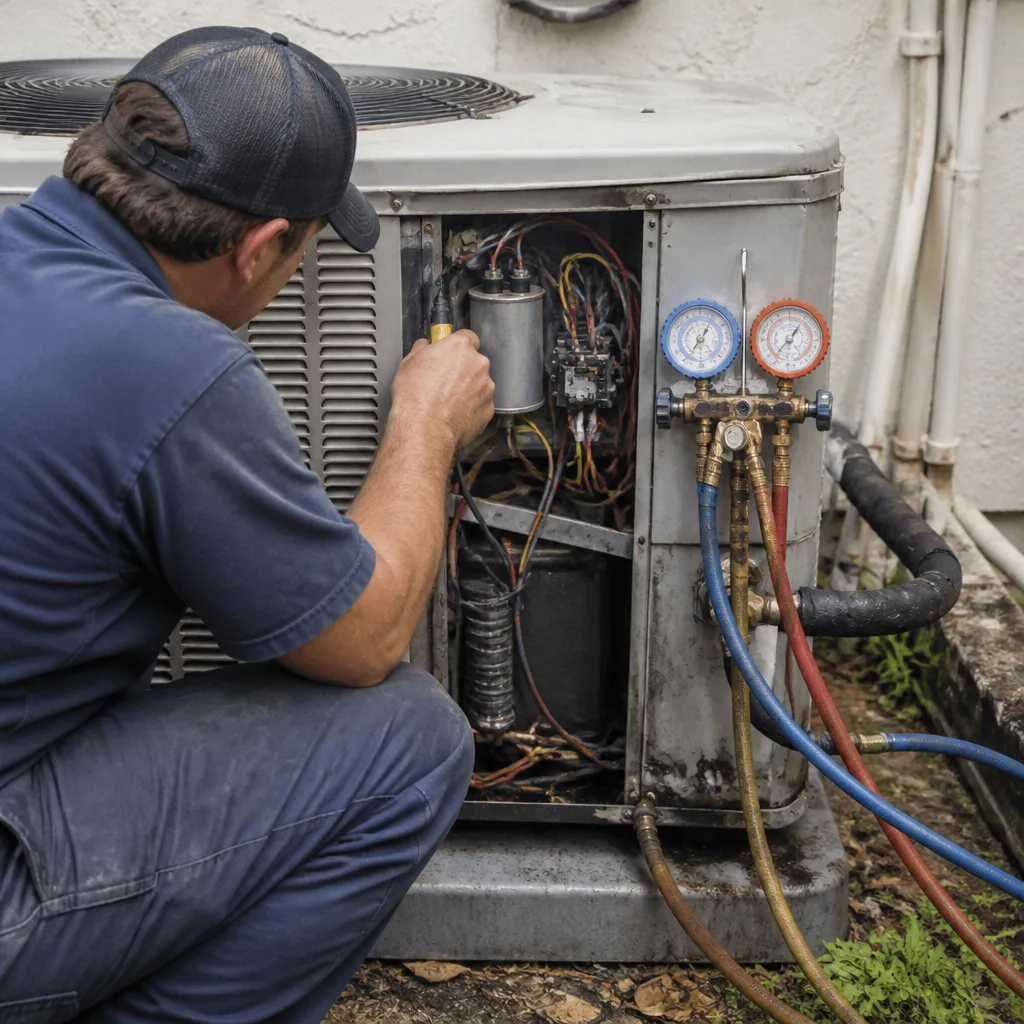 Before
 After
After Before
 After
After Before
 After
After